Is this police force professional and capable of handling violen...
/ 2026-10-16 18:54:07Focus


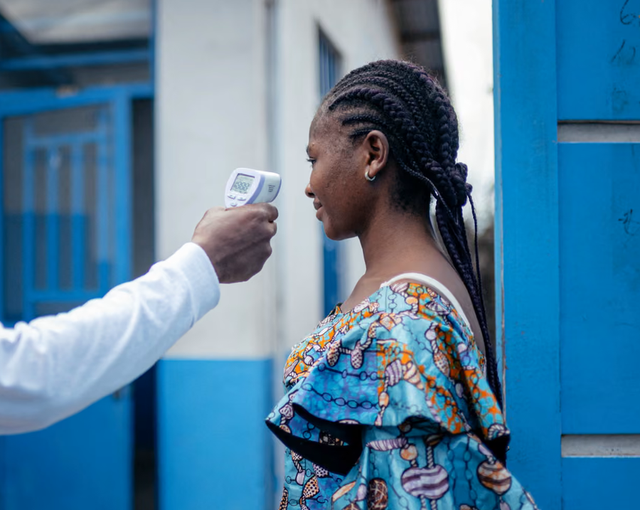
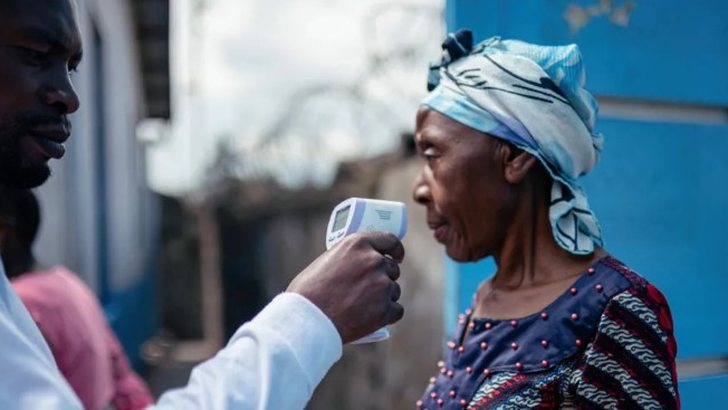
The World Health Organization has declared the Ebola outbreak in the Democratic Republic of Congo and Uganda a "public health emergency of international concern" after the number of deaths and suspected cases increased.
At least 88 deaths and more than 300 suspected cases have been reported so far related to Bundibugyo , one of the rarest forms of the Ebola virus. Concern is heightened because there are currently no approved vaccines or treatments for this specific variant of the virus.
WHO Director-General Tedros Adhanom Ghebreyesus made the announcement on Sunday, while the director of the Africa Centers for Disease Control and Prevention (Africa CDC), Jean Kaseya, stated that he is in "panic mode" as affected countries do not have enough medicines, vaccines or medical equipment.
Ebola is a highly contagious disease that spreads through bodily fluids, such as blood or vomit, and has a high mortality rate, especially in areas with a lack of health infrastructure.
Most of the cases have been reported in Ituri province in eastern Congo, near the border with Uganda and South Sudan. Meanwhile, Uganda has confirmed two cases, including one victim in Kampala, suspected to be linked to travel from Congo.
Authorities warn that the real number of infected people could be much higher than current reports, while the numerous population movements and conflicts in the region increase the risk of spread.
Experts are negotiating with pharmaceutical companies for the emergency use of tests, vaccines and experimental treatments, although the WHO stresses that there is still no specific therapy approved for the Bundibugyo variant .
Associated Press reporters in Ituri's capital, Bunia, interviewed locals who said there had been an unusually high number of burials and that they were frightened.
However, the WHO clarified that the current situation is not yet considered a global pandemic, but the declaration of emergency aims to prompt calls for international assistance and coordination as soon as possible.