Protests, violence, curfews: From France to Albania, why Europe'...
/ 2026-10-20 23:47:20Focus


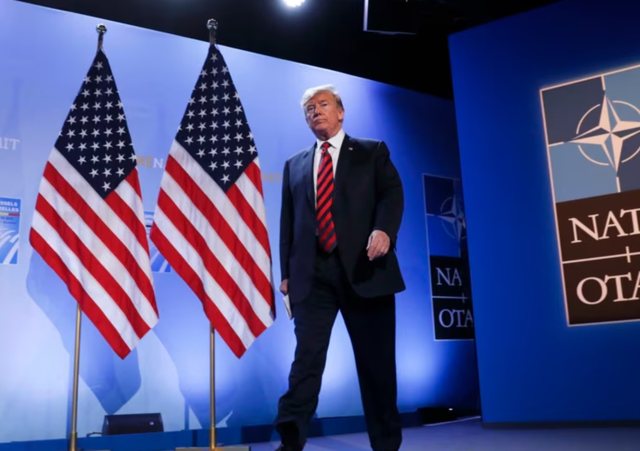
Republicans in Congress support many issues similar to those of their presidential nominee Donald Trump on foreign policy. That includes Washington's support for Israel. But as VOA's Katherine Gypson reports, lawmakers still have significant differences over policies toward China, tariffs and aid to Ukraine that could make trump's second term difficult.
Former President Donald Trump met with Israeli Prime Minister Benjamin Netanyahu last month.
"No president has done what I have done for Israel, and we have always had a good relationship," Trump said.
Former President Trump has previously criticized Prime Minister Netanyahu for security failures that he claims enabled the Oct. 7 Hamas attack. During the Trump administration, it was difficult to predict his actions in the foreign policy framework. One analyst told VOA that the Republican Party's foreign policy platform for 2024 reflects this unpredictability.
"There's not a lot of data and that gives him the advantage of being able to formulate a policy in the way he sees fit at the moment, rather than being blocked with established policies at the beginning of a term," says Chris Turtle of the Council on Foreign Relations.
Trump's republican colleagues say the social media app TikTok is controlled by the Chinese government and could be used to get information on users and influence their political beliefs.
"I don't want the Chinese Communist Party to take personal data of our citizens, nor be able to propate to the American public," said Mitt Romney, the Republican senator.
But Mr. Trump no longer agrees with the TikTok ban.
"We're going to save TikTok. They want to destroy it. So, all users on TikTok, vote for Trump."
The former president has also criticized NATO, claiming that member states do not pay enough for common defense. His vice-presidential candidate JD Vance has been even more critical of the delivery of U.S. aid to Ukraine.
"Let's not confuse the courage of the Ukrainian troops with the fact that they have the most corrupt leadership and government in Europe and probably anywhere in the world," Vance said.
That is in direct contradiction to the position of Republican Majority Leader Mitch McConnell, who has said aid to Ukraine is essential to protecting democracy in Europe.
"It is no longer a guaranteed issue that America will respond forcefully to aggression or even to support our allies 100 percent," McConnell said.
Analysts say Trump's pledges to increase tariffs if he wins the election could trigger the biggest conflict with Republican lawmakers.
"This shows the change in the Republican Party since 2016, because Republicans have historically been supportive of free trade," said Gordon Grey, a former U.S. senator from George Washington University.
Former President Trump has vowed to impose at least 60% tariffs on China and 10% tariffs on imports from other countries if he wins. /VOA