How Belinda Balluku is fabricating the rumor about Top Channel's...
/ 2026-10-19 16:19:00Focus


A dispute is erupting in the Balkans as tensions rise over plans for a nuclear waste storage facility.
Croatia's plan to store radioactive waste near its border with Bosnia is facing growing opposition from its neighbor over concerns that the plant could have potentially devastating health and environmental impacts.
The site near the Una River, a tributary of the Danube, was chosen in 2018. In an effort to stop the plan, Bosnia responded by declaring its land closer to the site a nature reserve. This scheme gained some ground and as the grand opening is approaching, Bosniaks are becoming increasingly concerned about the possible consequences on their pristine rivers and organic farming industry, not to mention public health.
Croatia has dismissed the concerns, but critics note that the government has not yet published any health or environmental risk assessments of the proposal. The area is prone to flooding and subject to regular seismic activity. It is also still being cleared of landmines left over from the Balkan wars of the 1990s.
Bosnian authorities hope the Croatian government can still change its mind. However, during the fall Bosnia suggested that they could set up their facility near the main Croatian tourist spot, Dubrovnik.
The war in Ukraine has focused minds in Europe on energy security and the continent moving away from Russian fossil fuels.
But even before that the need to be carbon neutral by 2050 meant that nuclear energy was on the menu.
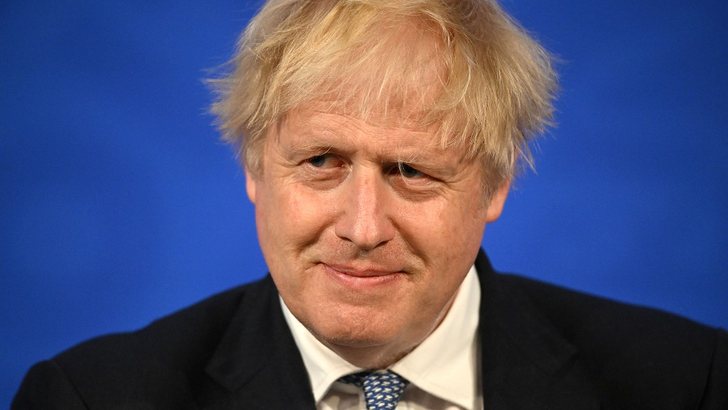
UK Prime Minister Boris Johnson has pledged to build eight new reactors in the next 20 years to meet a quarter of the country's energy needs.
Engine manufacturer Rolls-Royce is also committed to making the world's first small modular reactors, which are easier to maintain and use.
Meanwhile Emmanuel Macron has pledged to build 14 new European reactors under pressure to empower the French Republic by 2050 and help on their path to carbon neutrality.
And Germany is reconsidering its nuclear power ban following the 2011 disaster in Fukushima, Japan.
To prevent the accumulation of nuclear waste in surface-level facilities and the prolonged use of fossil fuels leading to catastrophic climate change, a solution must be found. Can we avoid diplomatic tensions and local protests before it is too late?