Is this police force professional and capable of handling violen...
/ 2026-10-16 18:54:07Focus


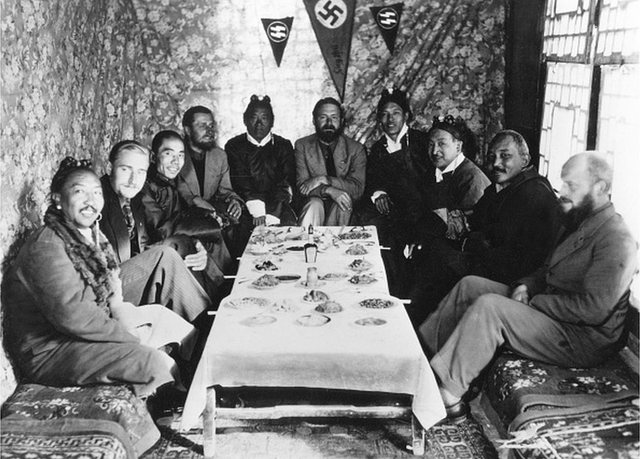
In 1935, Nazi SS chief Heinrich Himmler created the "Ahnenerbe", a unit specifically designed to propagate and scientifically substantiate the racist theories of the Nazi regime.
Specifically, the recruited academics were tasked with discovering traces of the superior civilization that had existed in the legendary city of Atlantis, from which, according to the Nazis, the Aryan race descended.
According to a popular theory at the time, Atlantis – located somewhere in the middle of the Atlantic Ocean – sank after being struck by lightning and some of its inhabitants then sought refuge in the Himalayan mountains.
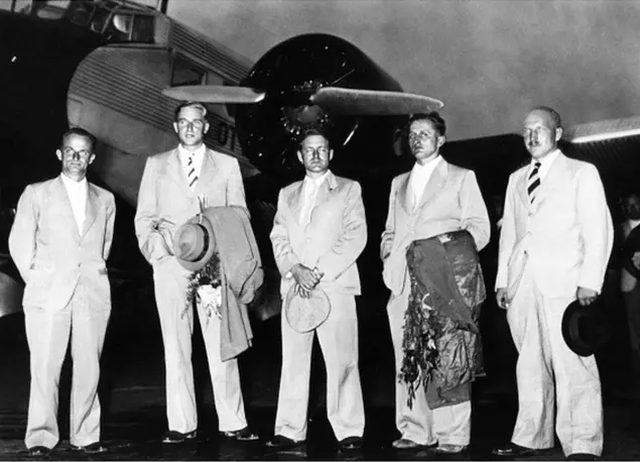
This belief was so deeply rooted that three years after the creation of the Ahnenerbe, Himmler sent five men to Tibet to discover exactly what traces had been left behind by the Aryan inhabitants of Atlantis and how they had interbred with the local populations.
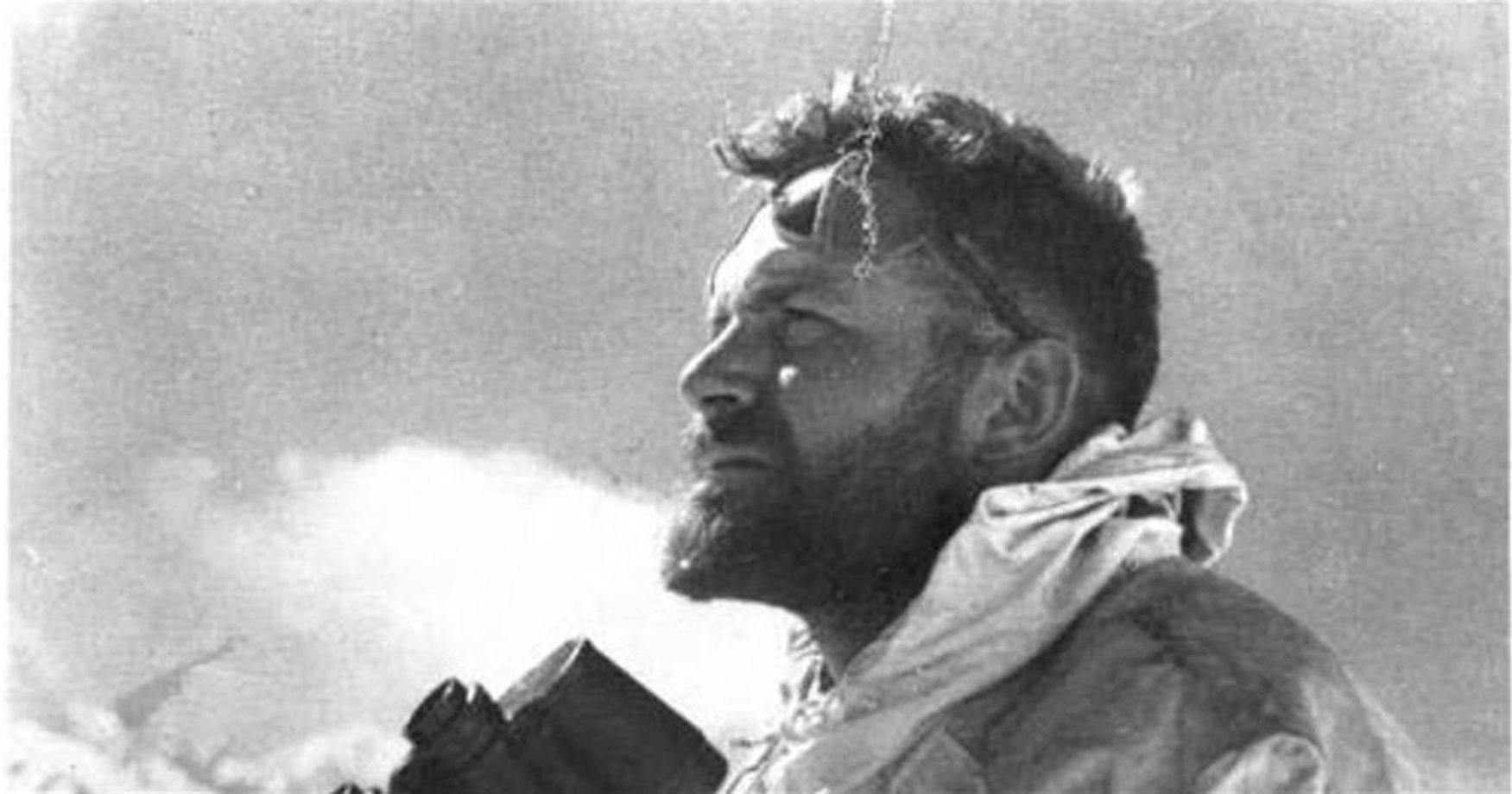
The expedition, which was supposed to remain secret, lasted about a year and was attended by, among others, a zoologist with a passion for hunting and an anthropologist.
As the Indian journalist Vaibhav Purandare, author of the book "Hitler and India," confessed, Hitler hated the Indian population.
He was convinced that around 400 AD, the Aryans had migrated from the north, from Tibet, and that the Indians had intermarried with them, spoiling their purity.
For Hitler, this incident – which was not supported by any evidence – constituted a real crime and for this reason he often insulted India and Indians in his writings and public speeches.
Despite this, the Ahnenerbe considered it worthwhile to search for traces of the Aryan race in those parts. In 1938, they organized an expedition, which included five German men.
Purandare writes that two men stood out among them. One was Ernst Schaefer, a 28-year-old zoologist who had twice visited the border area between India, China and Tibet.
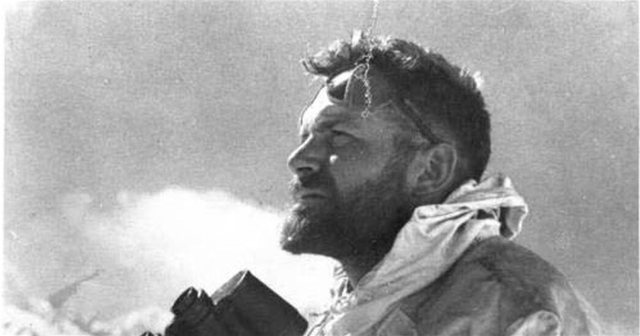
He was a great hunting enthusiast, although this passion had led to the accidental killing of his wife, who slipped while about to shoot a duck and missed the mark (this incident occurred about two months before the expedition was to depart, but Schaefer did not consider this a good reason not to join).
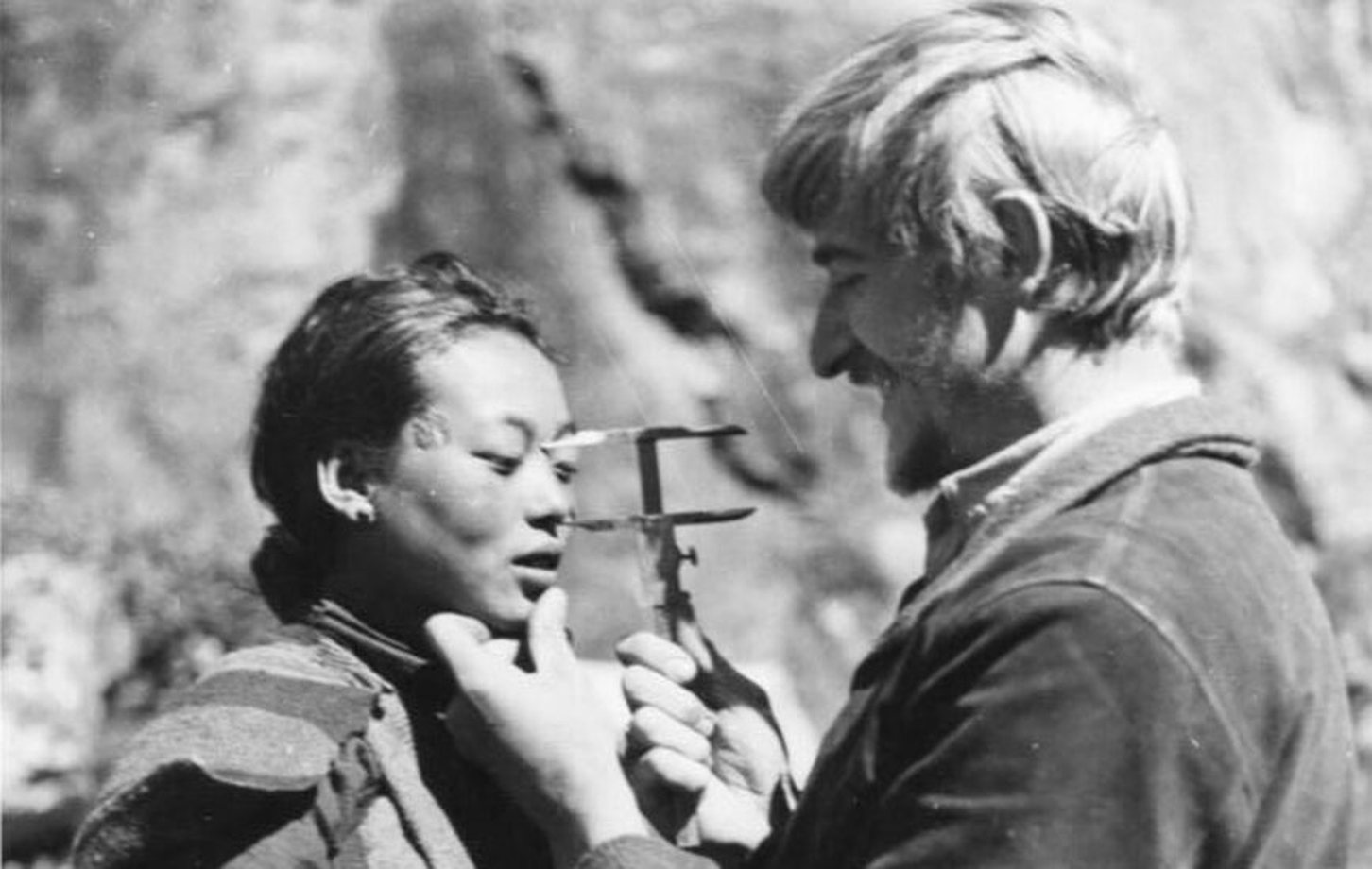
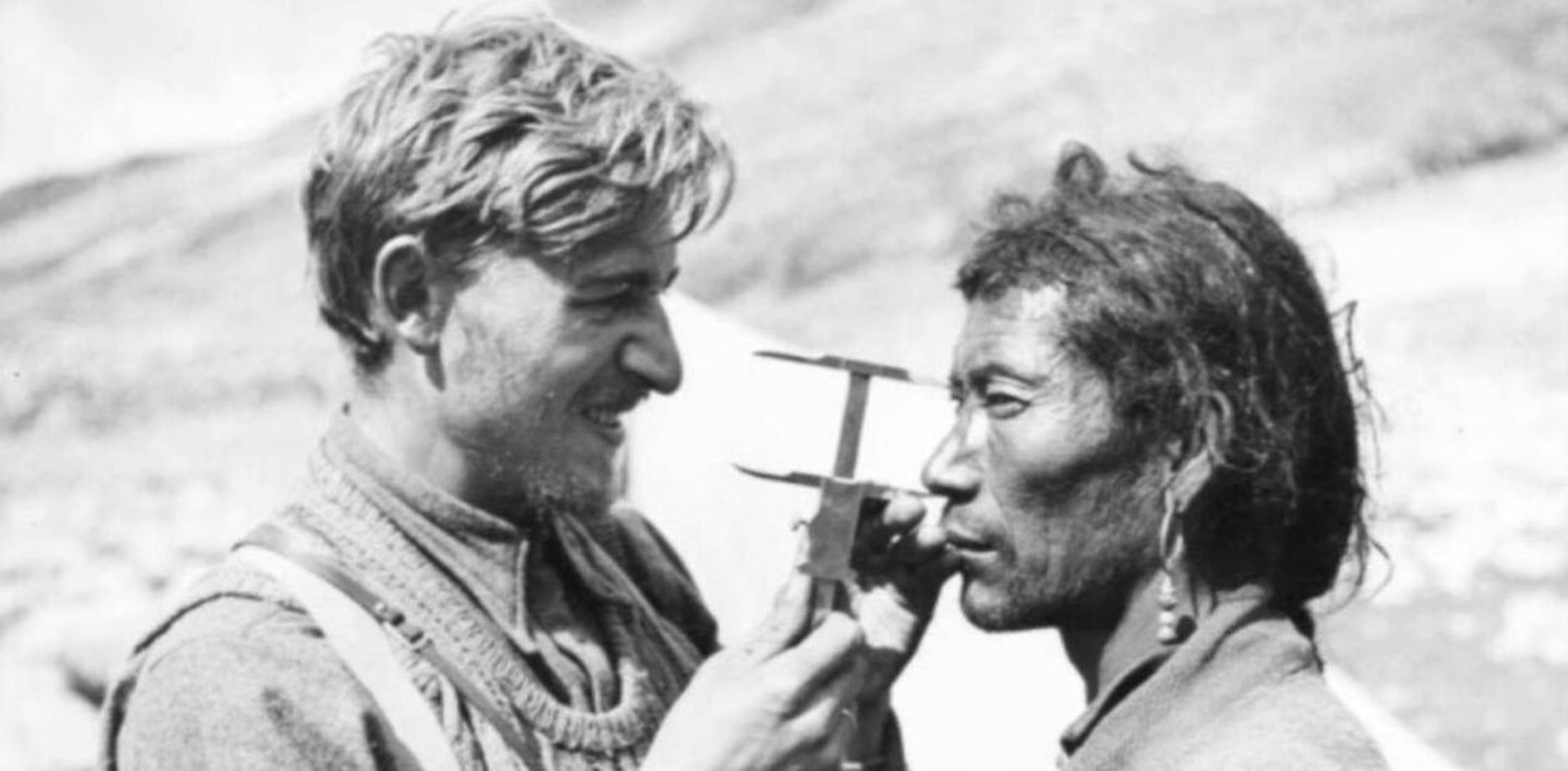
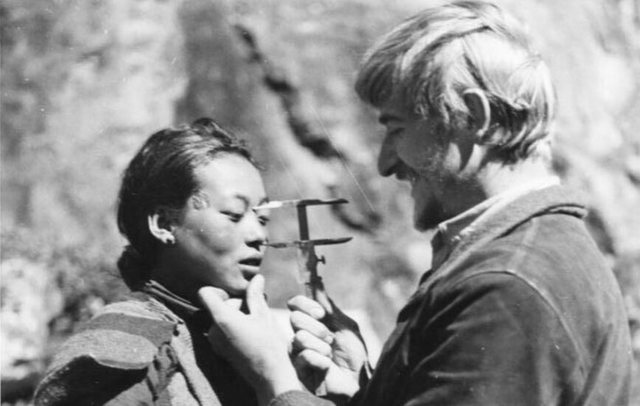
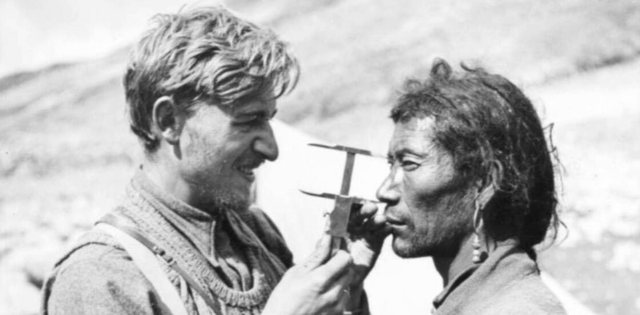
The other was Bruno Beger, an anthropologist and member of the SS since 1935. His task was to collect anatomical data on the people he would encounter to determine the “percentage, origin, importance and development of the Nordic race” in Tibet.
The expedition was completed by physicist Karl Wienert, taxidermist Edmund Geer, and photographer Ernst Krause, the oldest of the group.
Even though World War II had not yet begun, relations between European countries were not exactly relaxed.
The United Kingdom in particular – which at the time controlled India – viewed the arrival of these German scientists with suspicion, fearing that they were spies, a hypothesis also put forward by the Times of India, which reported on the expedition several times.
In May 1938, the five landed in Sri Lanka and then entered India through what is now Chennai (then Madras), continuing on to Calcutta and then northwest to the Indian state of Sikkim.
Along the way, they encountered some difficulties with British political officials, but by the end of the year, they reached Tibet, in part because the British were pursuing a policy known as appeasement, the attempt – which later proved spectacularly unsuccessful – to maintain a conciliatory stance with Nazi Germany in order to avoid military conflict.
Therefore, London issued direct orders not to obstruct the expedition, despite their concerns.
A few years ago, the Thirteenth Dalai Lama – the highest religious and political authority in Tibetan Buddhism – had died.
Thus, the Tibetan kingdom, which at the time was practically independent despite the constant threat from China, was led by a young, three-year-old Dalai Lama and a regent.
Purandare reports that Tibetan authorities, perhaps due to the ongoing political transition, treated the visiting Germans "extraordinarily well."
They also frequently encountered the swastika, a symbol widely used in Buddhist and Hindu countries and prevalent in Tibet, with connotations decidedly different from those of the Nazis.
During his stay, for example, Beger maintained very peaceful relations with the Tibetans and on some occasions even acted as a doctor.
Meanwhile, however, he measured the skulls and physical characteristics of hundreds of people, taking models of their heads, faces, hands, and ears, collecting fingerprints and handprints, and taking approximately 2,000 photographs. Another member of the expedition shot 18,000 meters of film and took 40,000 photographs.
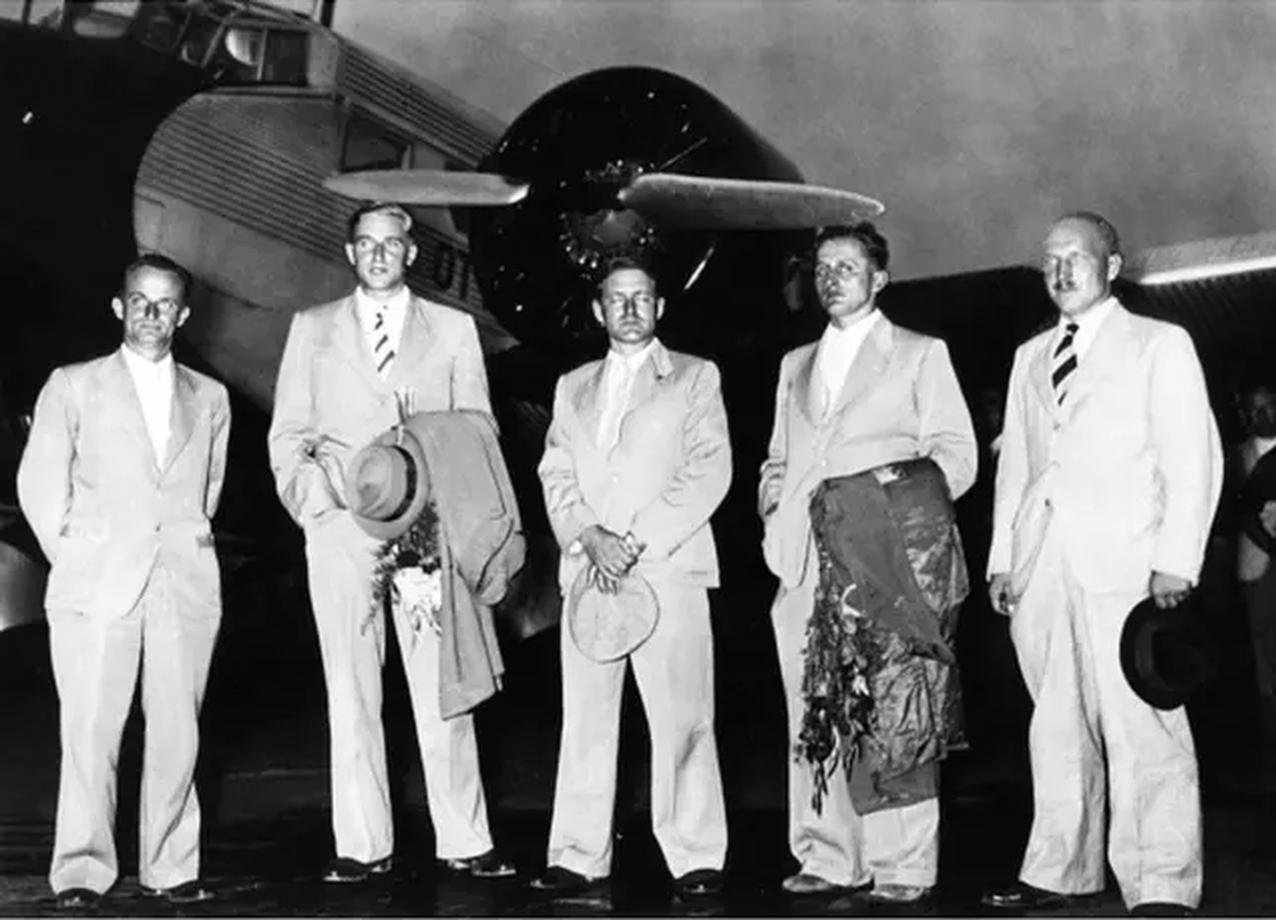
From what is known, it is unlikely that the Tibetans were aware of the purpose of these measurements. In 1939, war broke out and the five men's expedition was abruptly cut short. They were repatriated, and when their plane landed in Berlin, Himmler personally greeted them.
All the collected material was studied in the following years, and Schaefer even had time to publish several books on the research he conducted.
However, in 1945, Germany surrendered and during the occupation by the American, British and Russian allies, most of the material containing the research results was destroyed.
In the years that followed, the neglect of some shameful aspects of Nazism meant that no one attempted to reconstruct the conclusions reached by the five Nazi scientists.