Is this police force professional and capable of handling violen...
/ 2026-10-16 18:54:07Focus


A new theory is circulating in the country's political and infrastructural scene, which attempts to explain why our roads, despite staggering budgets, often end up covered in landslides.
This is a drastic modification of what is known as the "80/20 Rule", which once served as the unwritten standard of corruption, but which today seems to have moved to another dimension.
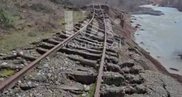
From "mass theft" to "surplus streets"
If we return to the roads of the Sali Berisha period , experts and observers note an interesting detail: the concrete did not lack iron.
Despite accusations of abuse, the rule operated with a kind of "contentment" logic.
Approximately 80% of the fund actually went to the road, as seen in the Rrëshen-Kalimash or Krrabë-Bradashesh projects , while 20% was lost in the webs of corruption.
The road was being built, it was standing, and the investment was tangible.
When the road becomes an accessory to corruption
During the socialist government, this equation seems to have been completely reversed.
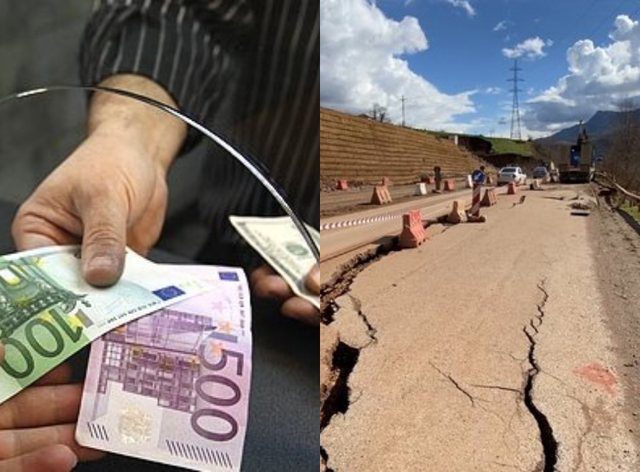
Modifying the rule is as simple as it is painful for citizens' pockets: now only 20% of the fund goes to the road, while 80% "evaporates" into corruption schemes.
Some of the files are located in SPAK.
This also explains the poor quality of the works we see every day, where the protective walls crack after the first rain and the soil blocks the road as soon as the inauguration ribbon is finished.
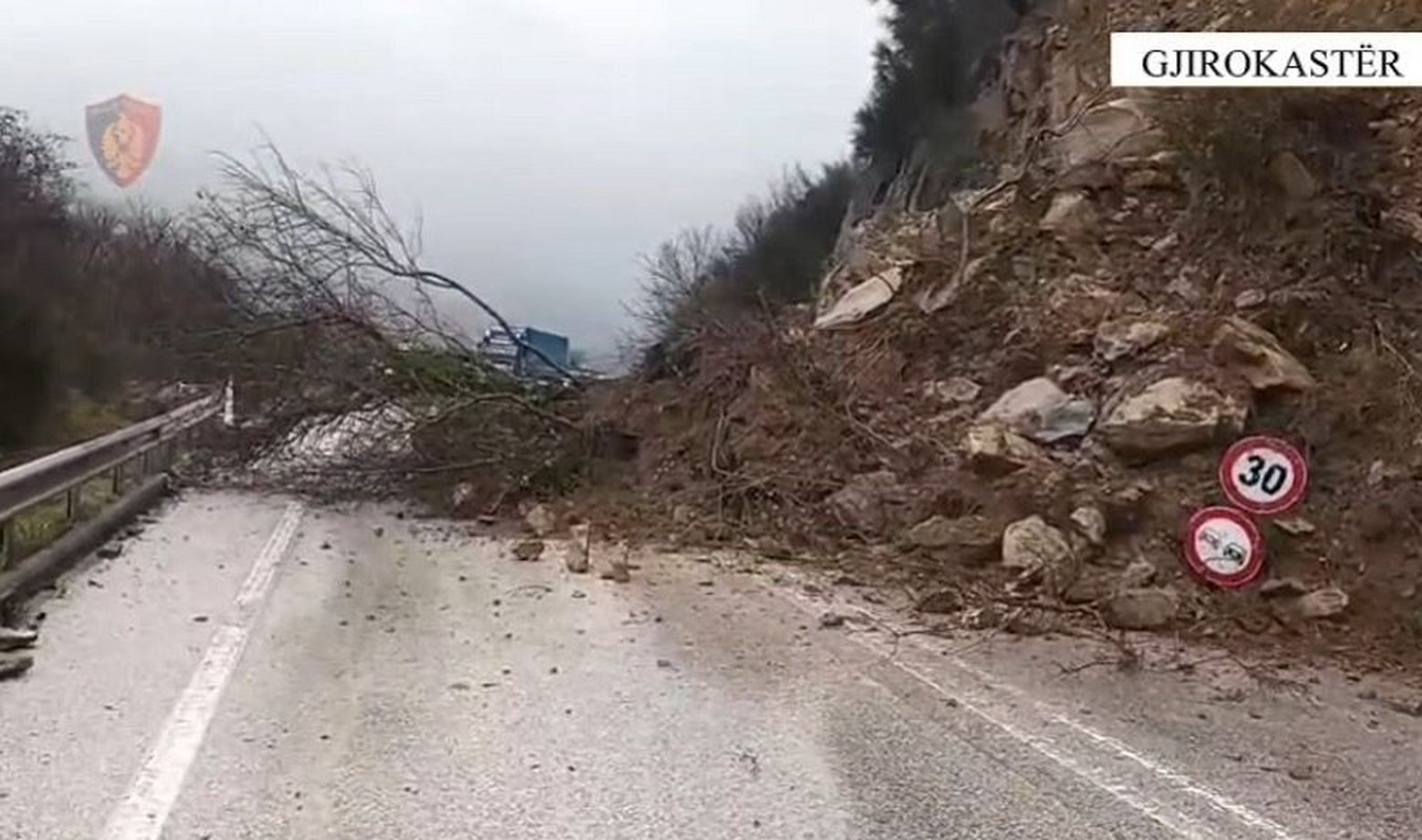
February 20 - Gjirokastër-Tepelena road collapses
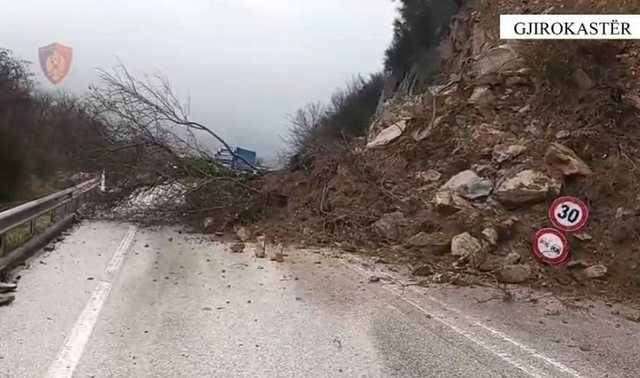
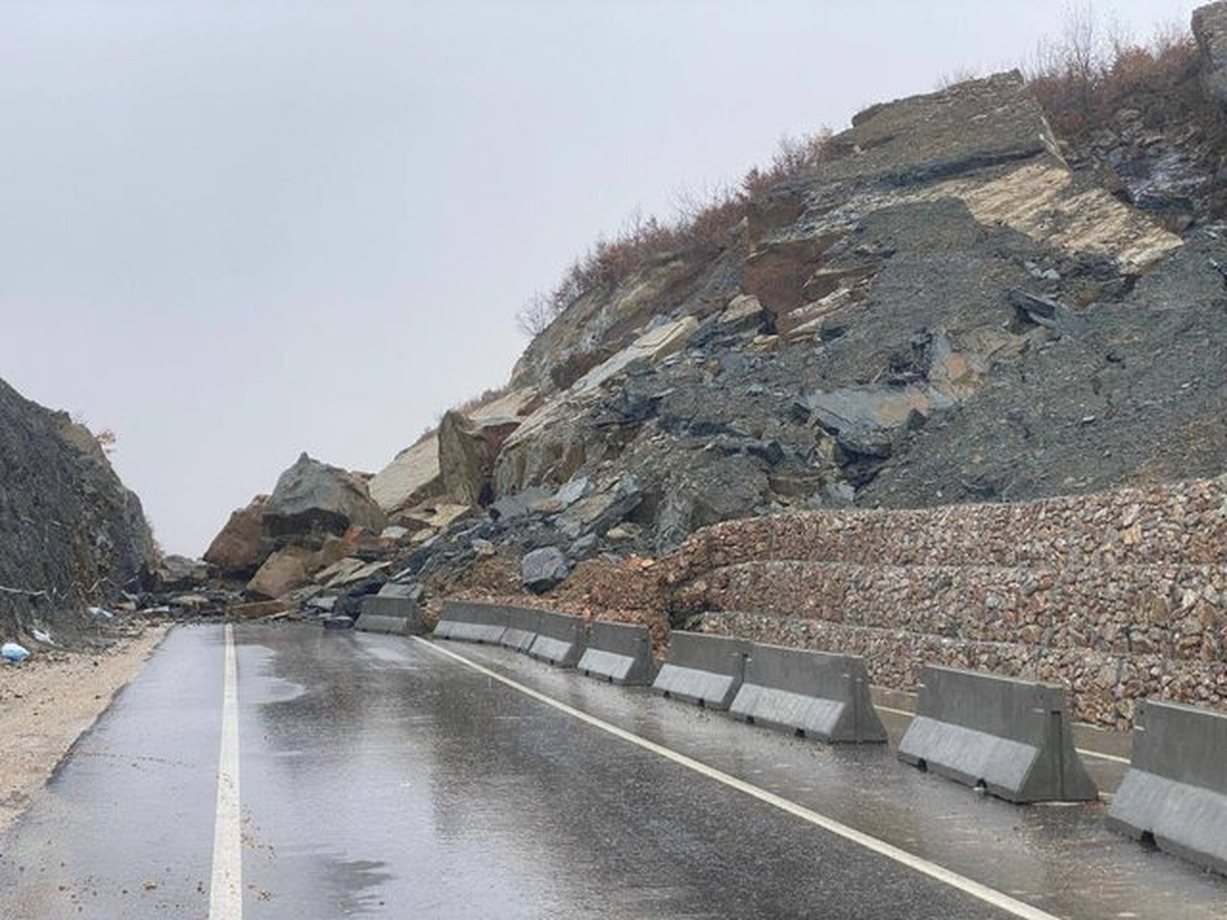
Heavy rainfall caused massive landslides of soil and rocks on the "Gjirokastër-Tepelena" road axis.
The landslides occurred in a place called "Black Staircase" and traffic operated in one direction.
The Vlahina-Poçem road is damaged just two years after construction
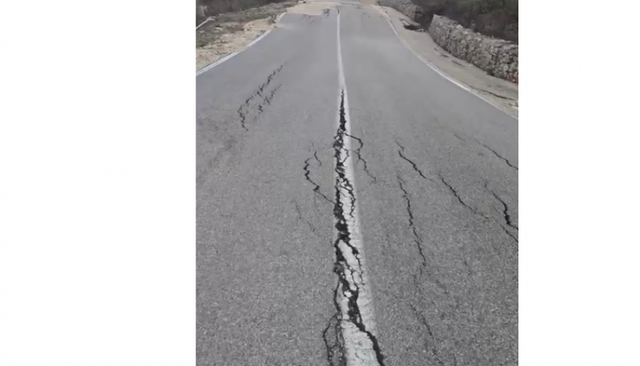
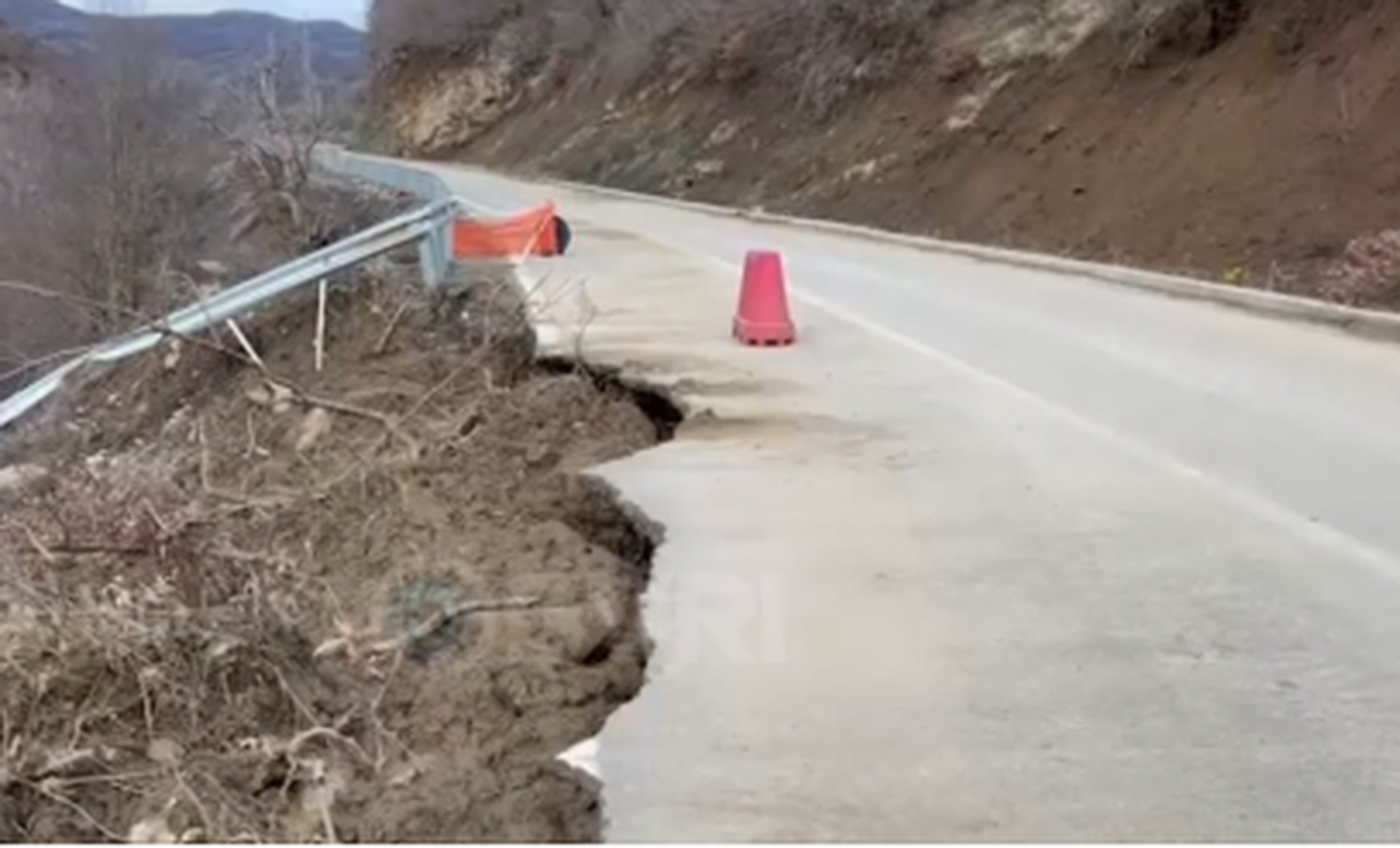
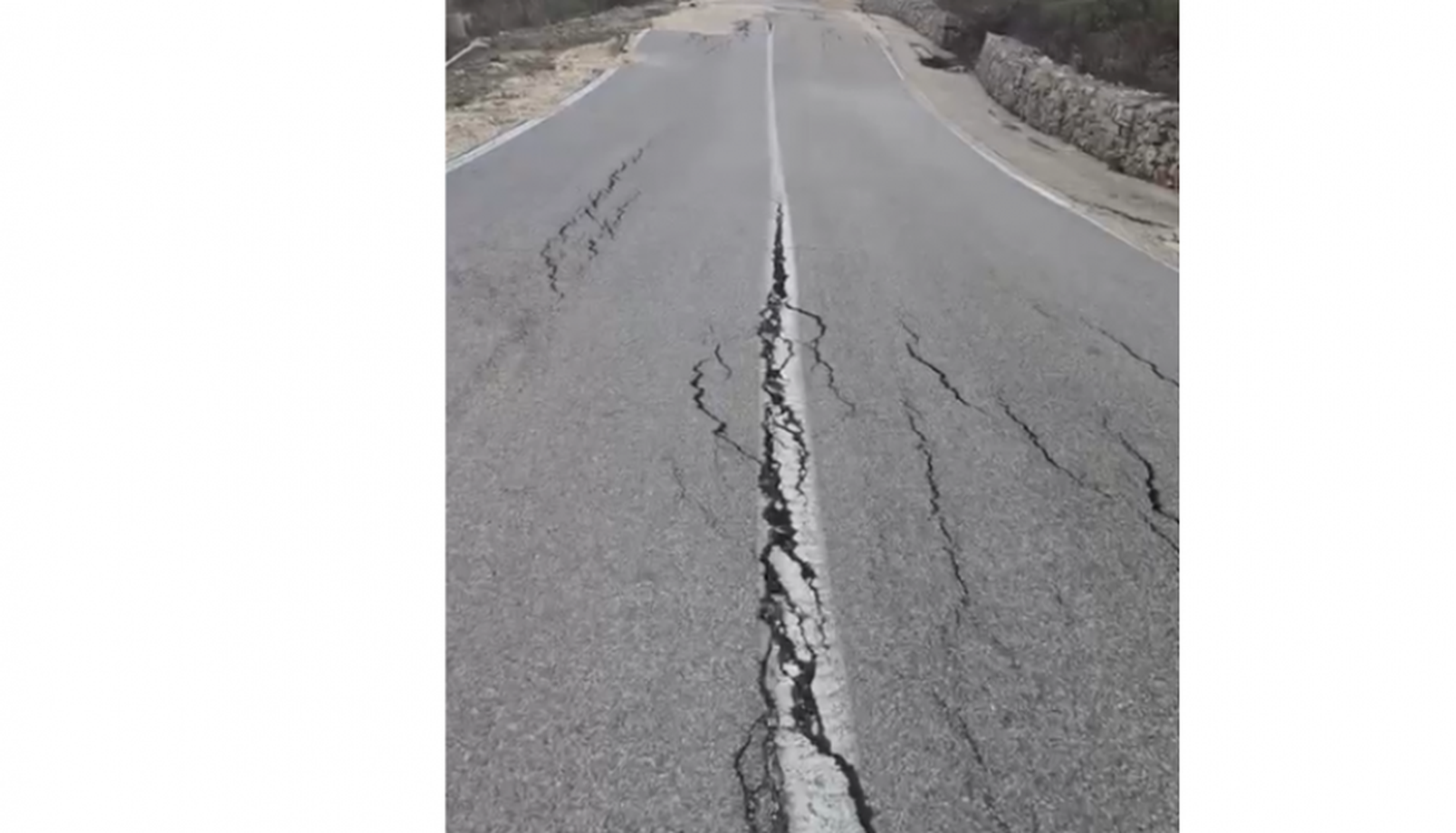
The Vlahine–Poçem road suffered visible damage along a significant part of its length.
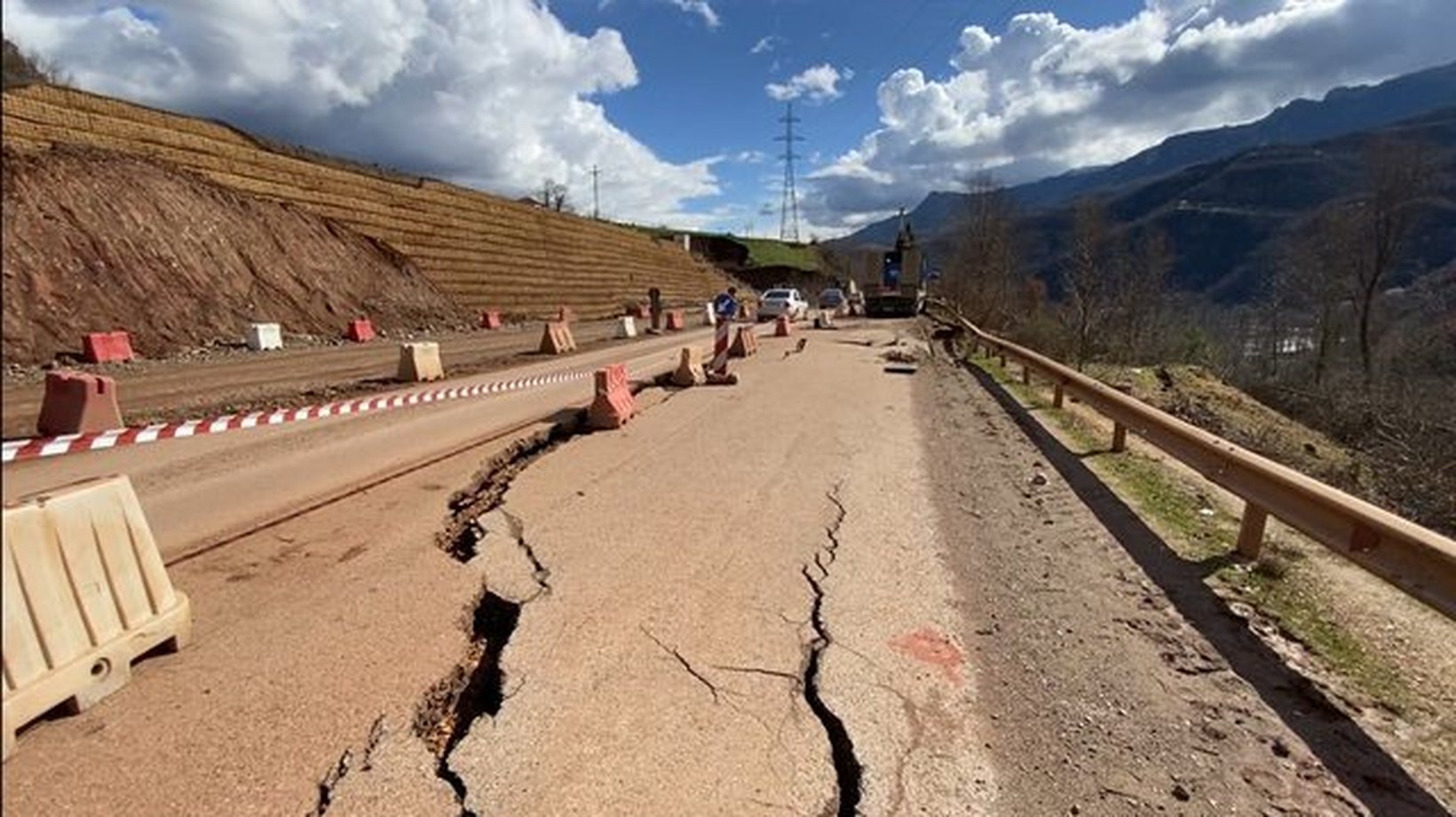
The asphalt of the road suffered deep cracks which made it difficult for vehicles to move.
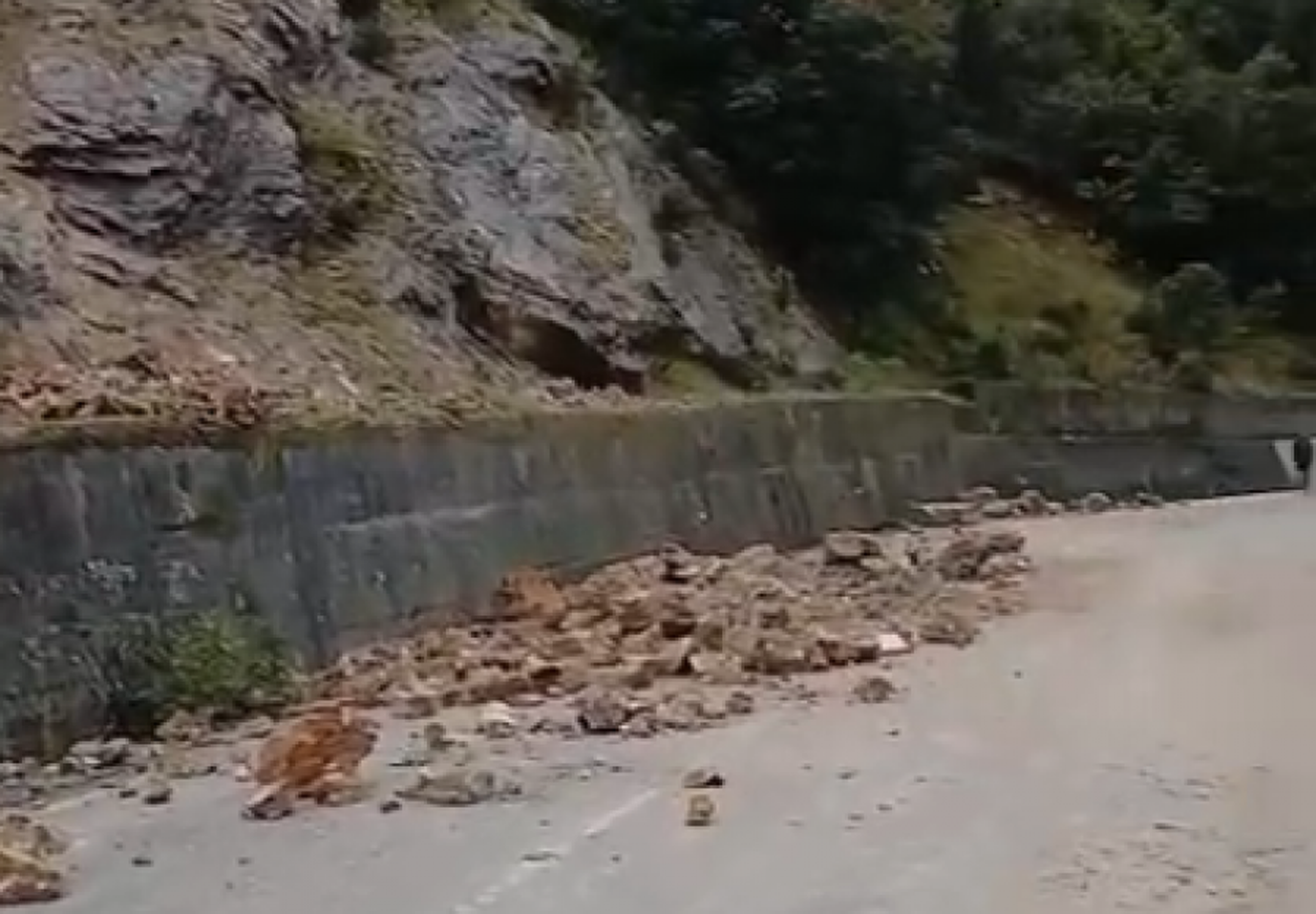
Rock slide blocks Kuc-Qeparo axis
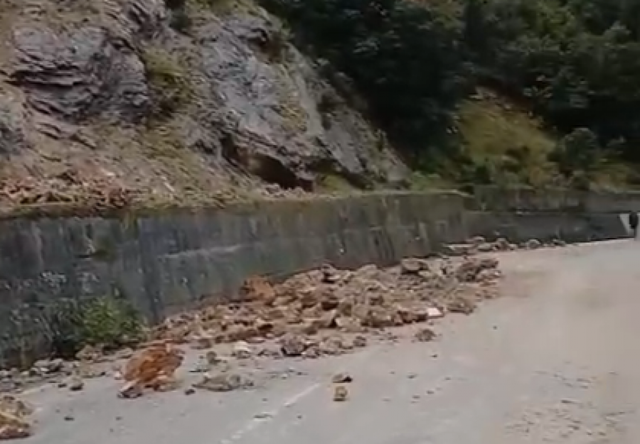
Residents and drivers are expressing concern as the road has not yet been two years since its construction.
According to them, the damage raises doubts about the quality of the works and materials used, endangering not only public investment, but also the safety of road users.
Degradation of the Maliq – Lozhan – Moglicë – Gramsh road
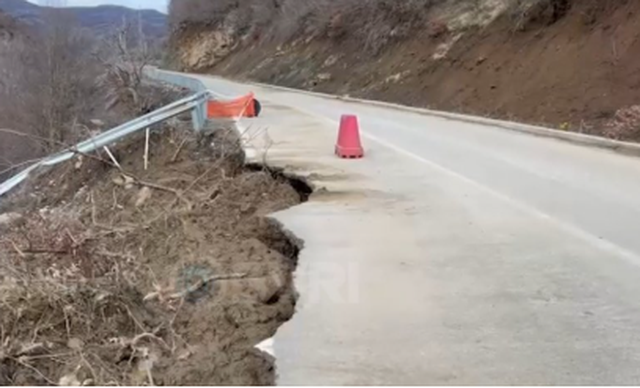
The Maliq - Lozhan - Moglicë - Gramsh road , which since Saturday has been serving as an alternative axis connecting the southeast with Tirana, is facing serious damage to its structure.
Deep cracks have been identified along the road in several segments, creating significant traffic difficulties and increased risk for drivers.
This road axis, built by "Gjikuria" sh.pk and costing 14 million euros (about 1.4 billion lek), has shown problems before, but recently the depreciation has worsened significantly.
Crack in the road connecting the Vlora River with Himara
Another important axis, connecting the Vlora River with Himara, has suffered new cracks, creating a danger for citizens who have to circulate in this segment.
According to reports, the road has been split down the middle in part, requiring increased caution for drivers and residents passing by.
View this post on Instagram
Problems with the country's road infrastructure began last year, with damage and collapse of parts of the main axis, while citizens complain that no one from the government has taken responsibility for the paralysis of parts of the axis and the ongoing danger.
Rockfalls on the Qukë-Qafë Plloçë axis
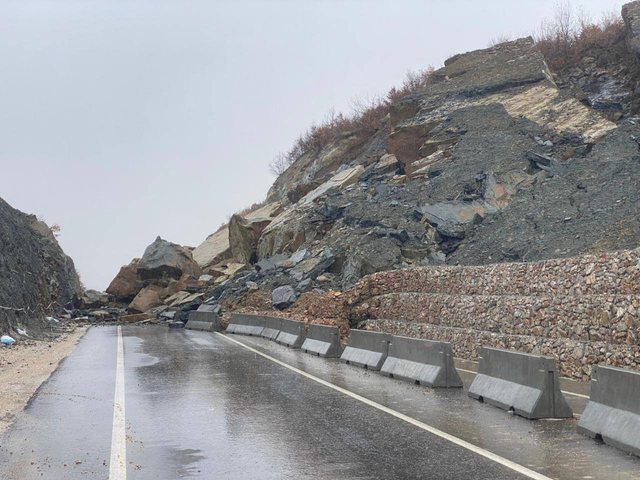
The Qukës-Qafë Pllocë road axis, otherwise considered the "golden road", was inaugurated with great fanfare by the government.
Balluku and Rama inaugurated the road 5 months ago, which cost 260 million euros, but from the beginning it was a propaganda failure.
Just a few weeks after opening, the highway faced serious problems as a result of heavy rains that swept the southeast of the country, after a rock mass blocked one of the country's three lanes.
In November, a massive landslide of earth and rocks blocked the road near the identified tunnels on the Qukës-Qafë Plloçë axis.
A large area of mountain broke away, completely blocking the axis, which forced the construction of a temporary bypass.
Immediately after this, just a few weeks ago, the road axis was blocked again by the collapse of a rock massif and even today the passage is made through a temporary bypass, putting the "golden axis" out of operation.
The collapse of the Librazhd-Pogradec road
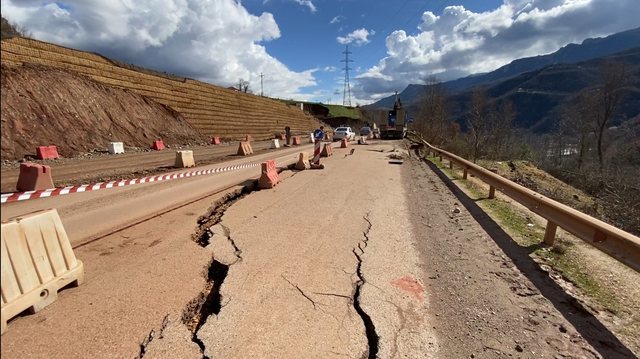
The collapses and cracks in the asphalt on the Librazhd-Pogradec axis have been occurring for almost 2 weeks, yet the authorities did not take the situation seriously. Today, the axis that connects Tirana with the Southeast and vice versa, is completely blocked, paralyzing traffic.
The collapses are serious, endangering the high-voltage pole that is nearby, and even the bridge, which the ARA decided to dismantle.
There have been numerous problems on this axis, as during rainy seasons, the road was blocked by mud and rocky massifs, making it impassable.