Is this police force professional and capable of handling violen...
/ 2026-10-16 18:54:07Focus


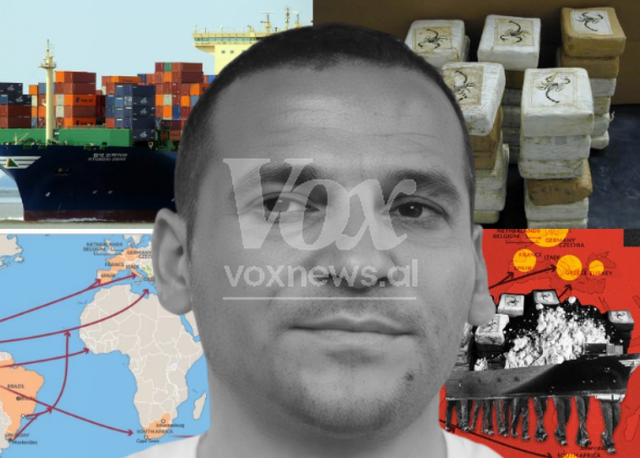
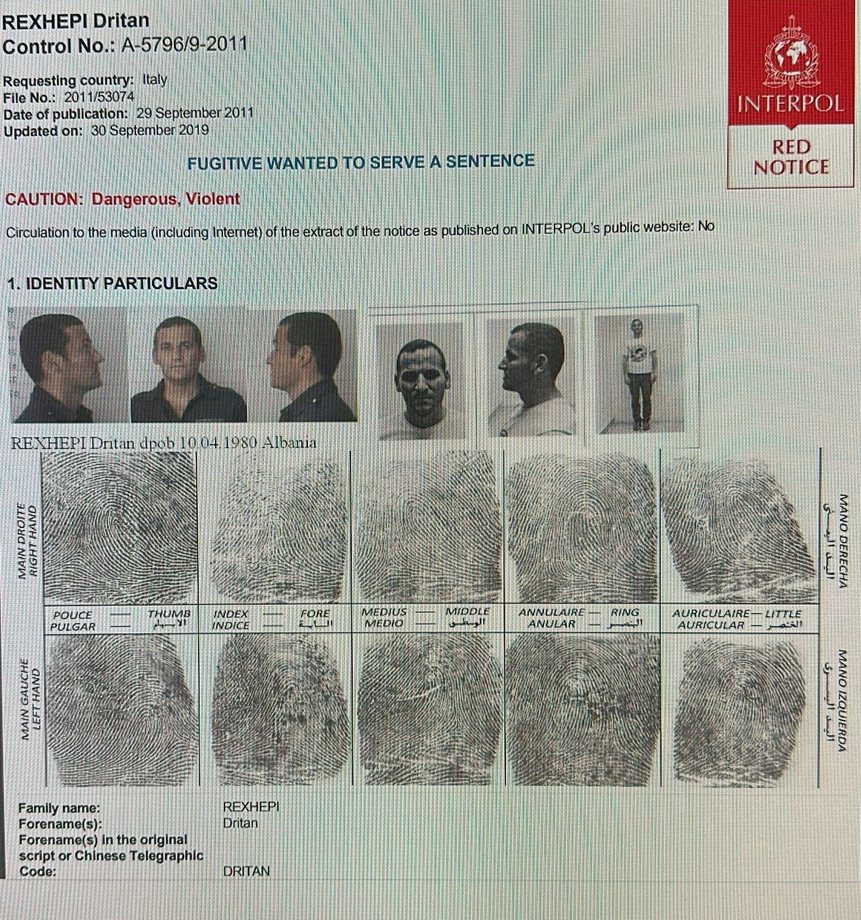
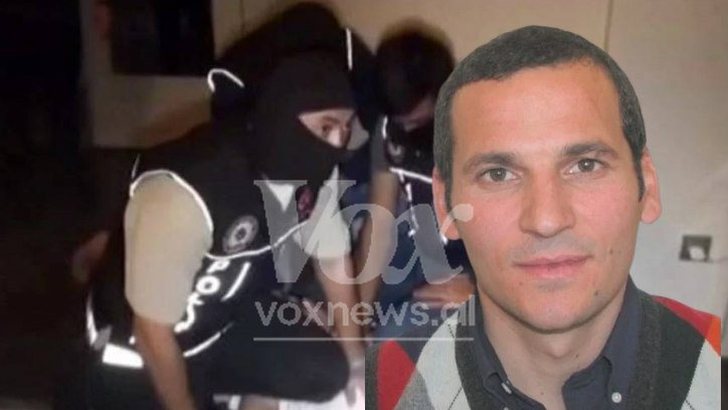
The criminal ' career ' of Dritan Rexhepi, who was arrested today in Istanbul, started in the period when Albania was in transition in the 1990s. At that time, when he was a teenager, Rexhepi was suspected of having committed murder to order.
In 2005 , Rexhepi had decided to study law, but his plan was never realized because, according to him, he was wrongly accused of murder. This led him to the drug trade.
"I had two options, to surrender to an unjust and rotten system in Albania, which would lead to life imprisonment, or to look for a second chance to do something else with my life. That's why I got into the drug trade," Rexhepi declared at the time for Balkan Insight.
In 2006 , Rexhepi escaped from the prison cell in Durrës under still unclear circumstances. Two years later he was arrested in the Netherlands and extradited to Italy where he was convicted of drug trafficking.
In 2008 , he managed to escape from Pavia prison in Italy, together with two other Albanians. Rexhepi had taken an elderly woman's car and disappeared, causing the entire prison staff to be dismissed. Rexhepi and two others used a hacksaw to cut the bars of a window in a corridor. They reached the first floor with sheets. The other two had been convicted of serious violent crimes. They stopped a car, pulled over the driver and disappeared without a trace.
In 2011 , Rexhepi was arrested by the Spanish police but was not extradited to Italy. Instead, the decision was made to extradite him to Belgium where he was also wanted for drug trafficking. He was taken to a prison in Antwerp, from where he managed to escape again after the guards were not alerted to his level of danger.
This same month, the Spanish media opened with a headline, calling Dritan Rexhepi the "king" of escapes. Journalists in Spain wrote several days in a row about the wanted Albanian, after he carried out the robbery of one of the biggest banks in Barcelona, in the evening when all the fans were in the square celebrating the victory of the "Champions League" by the Barcelona team.
After this escape, Rexhepi is suspected to have lived in Rotterdam from where, together with a group of Albanians, he set up a drug trafficking network from South America to Europe.
Rexhepi was registered under the names Ioannis Dionysopoulos (Greek name) and Lulzim Murataj (Albanian name) and Gramoz Rexhepi (Albanian name).
Criminal organization covered by the company "Bello"
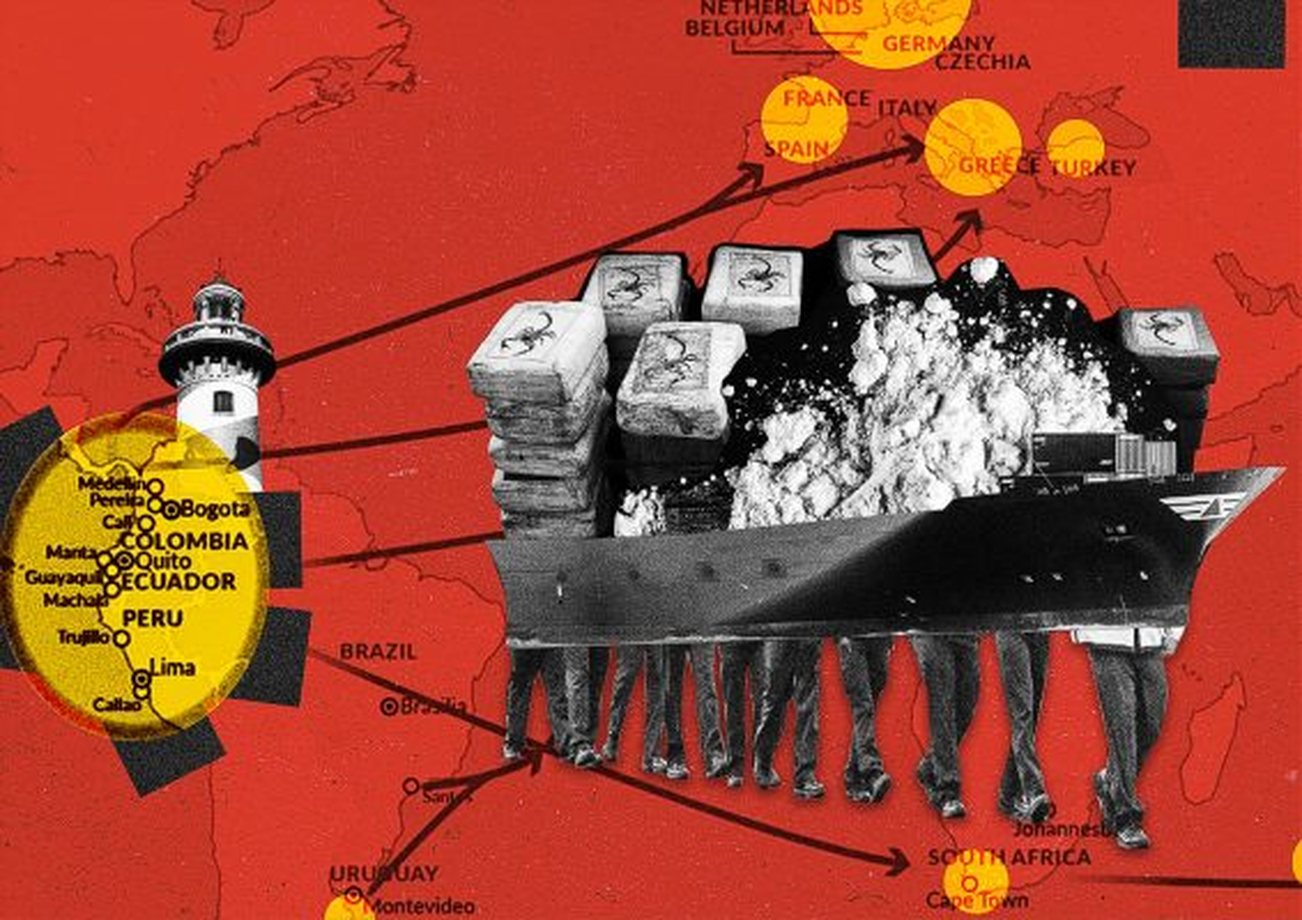
"Kompania Bello" is the first complex grouping of Albanian criminal drug trafficking organizations; a business with an annual turnover of hundreds of millions of euros, spread over South America, Europe and the Balkans.
In the early hours of the morning of September 15, hundreds of police officers - including teams of rapid intervention forces, with the assistance of Europol and Eurojust - carried out coordinated raids in 10 different countries in Europe and the Middle East, arresting 20 suspected, part of an Albanian criminal network known as "Kompania Bello".
According to Europol, this network was a professional criminal syndicate and is considered one of the most active cocaine trafficking organizations from South America to Europe.
"For many years, international cocaine traffickers worked separately from the wholesalers and criminal groups that distribute the drug on the street," Europol said in a press release.
"In this case, this Albanian criminal group that is under investigation overturned this model and controlled the entire chain - from the securing of large shipments from South America to its distribution in Europe," the European law enforcement agency added.
The police operation codenamed 'Los Blancos' came after a 5-year investigation led by the Florence Prosecutor's Office, supported by a joint Italian-Dutch investigative group, and is considered the most complex and long-term investigation ever undertaken against Albanian organized crime.
According to the decision of the Court of Florence on the measures of arrest and preventive seizures issued against the suspects - a copy of which has been obtained by BIRN, this criminal cartel which consisted of several Albanian organizations involved in the trafficking and distribution of cocaine, was led by Dritan Rexhepi, a 40-year-old originally from Vlora, imprisoned in Ecuador since 2014.
"Rexhepi has created an Albanian narco-trafficking cartel, his brand called "Bello", of which he is the indisputable capo, possessing infinite amounts of cocaine, which he buys directly, jointly or through his South American partners of organizations 'Narcos' present in Ecuador," it is written in the criminal proceedings of the Florence Prosecutor's Office.
"This criminal structure is able to distribute cocaine throughout Europe and in particular in Italy, and has branches throughout Europe and Albania, which answer to Rexhepi for committing serious crimes such as murder," adds the prosecution. Italian.
In addition to Rexhepi, the Italian prosecutor's office has charged 33 suspects with international drug trafficking, as well as creation and participation in criminal organizations, most of them Albanian citizens residing in the Netherlands and Italy.
Prior to Operation Los Blancos, 84 suspected members of the criminal cartel have been arrested over the past 5 years in Italy, Ecuador, the Netherlands, the United Kingdom, Switzerland and Germany.
"'Kompania Bello' is a union of criminal operators, who have clear tasks and profits separated from each other," explained an Albanian prosecutor who participated in the Los Blancos operation.
"Of course it poses a risk to public order and security in Albania, as we are dealing with a union of operators with great criminal and economic potential," added the prosecutor, who spoke on condition of anonymity.
Cartel organization
From his cell in Eduador at the beginning of March 2016, Dritan Rexhepi was negotiating the sale of a quantity of 300 kilograms of cocaine with his trusted representative in Europe, Jorin Llambro - who was also known by the nickname 'qorri' or 'Montecarlo' and lived between Albania and the Netherlands.
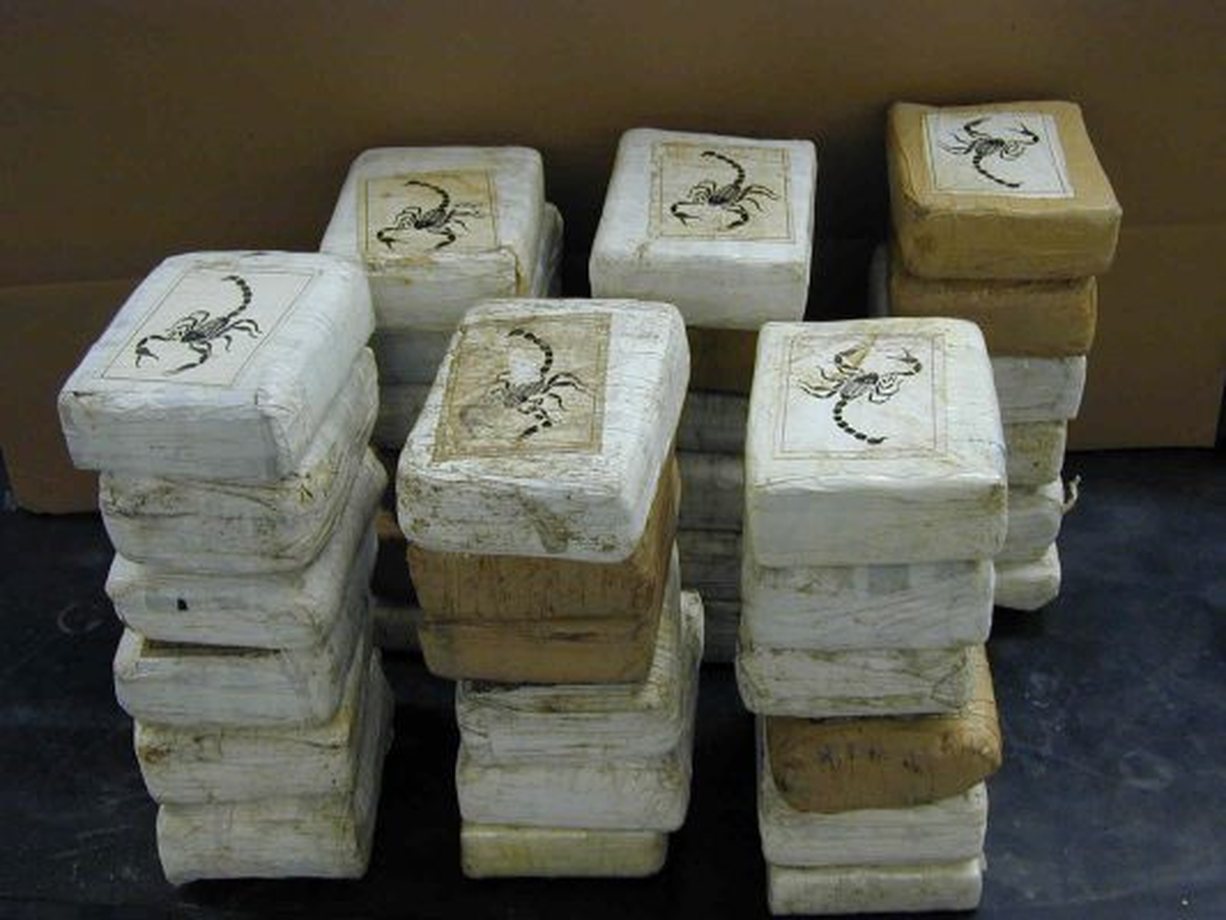
His criminal organization used several logos to mark the packages of cocaine it trafficked from Ecuador to Europe, including Audi, RS6 and Bello.
In a conversation intercepted by the Italian prosecutor's office, Rexhepi asks Llambro what logo he should ask the Colombians to press on the cocaine and the latter suggests CB, - the initials of the "Bello Company", adding that they had to give the signal that this was their 'factory brand'.
"We have to enter the market with our name, as it is not very well known," writes Llambro.
Enthusiastically, Rexhepi replied that their brand would be 'Bello', which since that day has marked all the cocaine shipments of the Albanian trafficker from South America to Europe.
According to the investigations of the Florence prosecutor's office, the so-called "Bello Company" was a cartel composed of Albanian criminal organizations involved in drug trafficking, established at least since 2014 in an unspecified location and operating in Ecuador, the Netherlands, Belgium, Albania and Italy.
This cartel consisted of 14 criminal organizations, which have created a superior level organizational structure – a kind of transnational crime federation, which aims to benefit and share common services, which enable drug trafficking and distribution and strengthening entities component.
"Their goal was to extend control over international drug trafficking and exponentially increase the profits of federated members," the Florence Prosecutor's Office wrote in the request for security measures against cartel members.
The Federation enabled these criminal organizations to import and sell large quantities of drugs from South America to Dutch and Belgian ports in Europe, through a privileged relationship with South American cocaine producers.
In addition to Rexhepi's organization, other founding organizations of the cartel are two important Albanian criminal groups, led by two unidentified persons, known by the Florence prosecutor's office as Gimi and Reti.
Based in the Netherlands, the criminal group led by Reti acts as a drug-trafficking intermediary between Rexhepi's group and other lower-level Albanian criminal organizations involved in drug distribution in Europe. Meanwhile, Gimi's criminal group, which is also the founder of the "Kompania Bello" cartel, has direct connections with other Albanian importers of cocaine from South America.
Another important criminal group identified by the investigation is that of the brothers Gerti and Edmond Marku, who, although federated in the cartel through Reti and also supplied with drugs by Gimi, are large wholesalers of drug trafficking from the Netherlands to Italy , Germany and other European countries.
An important role in this cartel was played by the criminal group led by Eldi Dizdarit - arrested as part of the "Los Blancos" operation in Dubai, specialized in extracting large quantities of drugs from Dutch ports.
"This is number one," writes Jorin Llambro in a conversation with Dritan Rexhepi intercepted by the Italian police. "In one case, he extracted 4 tons," he adds, referring to cocaine.
Another prominent cartel group was the one led by Gentjan Manaj, who was arrested in Albania as part of the "Los Blancos" operation and which was involved in the management and transfer of money between the various criminal groups that made up the "Bello Company".
The cartel enabled the storage and storage of large quantities of drugs in secret bases in the Netherlands and Belgium, as well as its distribution according to the requirements of the participating organizations.
This criminal network had built stable relationships with South American traffickers, ensuring a steady supply of cocaine for the European market.
Also, 'Kompania Bello' had secured pacts and agreements between Albanian criminal organizations, for the exchange or sharing of couriers for drug trafficking between the Netherlands and Italy, as well as in the recruitment of drivers and couriers.
These organizations also cooperated in terms of sharing information on investigations and court cases affecting members, as well as using an encrypted communication network and shared codes - through which deals were made and ideas about criminal activities were exchanged.
The cartel allowed members to make cash payments to various countries from which drugs were transferred through clandestine money laundering networks. Also, the Albanian criminal organizations shared a common network of corruption of public officials in charge of cargo control at the ports, in the various stages of cocaine transport from South America to Europe.
An Albanian prosecutor who spoke on condition of anonymity told BIRN that 'Kompania Bello' had a solid hierarchy and the leaders of the cartel recruited in the Netherlands and Italy members of Albanian origin, who were entrusted with menial jobs - usually for the storage of narcotic substances in Amsterdam, from where the cocaine was then distributed to the Italian market.
"The leaders and promoters of the organization, thanks to their operational and threatening capacity, imposed a pact of silence in case any of the accomplices were arrested," the prosecutor said.
"And in case this unwritten pact was not respected, serious consequences would follow, taking revenge against family members in Holland, Italy or Albania," he added.
Links to Narcos
According to Italian prosecutors, the criminal organization founded by Dritan Rexhepi was the most geographically extensive and the most important in the entire panorama of Albanian drug traffickers that have been the subject of the 5-year investigation.
Rexhepi had a privileged relationship with the Colombian cocaine cartels through the Ecuadorian trafficker, Cezar Emilio Montenegro Castillo - also known as 'Don Monti', who is the head of the Ecuadorian traffickers linked to the Colombian "Norte dell Valle" cartel and the Mexican drug lord Sinaloa.
The Colombian 'Norte dell Valle' cartel is a top-level criminal organization operating out of the Valle della Cuca region of Colombia, based in the coastal city of Buenaventura. This cartel grew in importance from the late 1990s, after the fragmentation of the Cali and Medellin cartels in Colombia.
Meanwhile, the Mexican Sinaloa cartel, based in Culiacan, Mexico, is one of the world's largest drug trafficking organizations, long led until its arrest and extradition to the US by Juaqim Guzman Loeira, of known by the nickname 'El Chapo'.
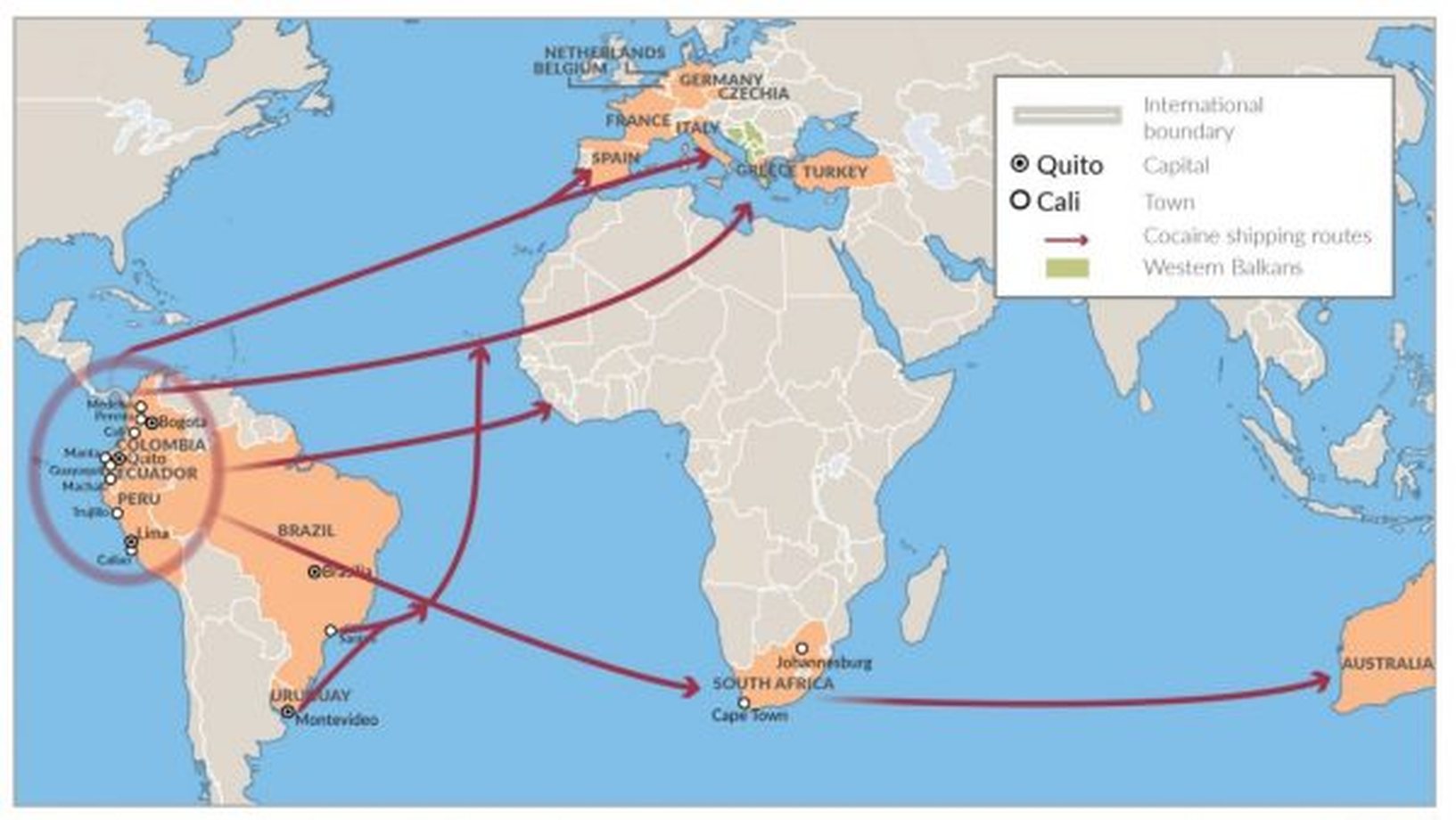
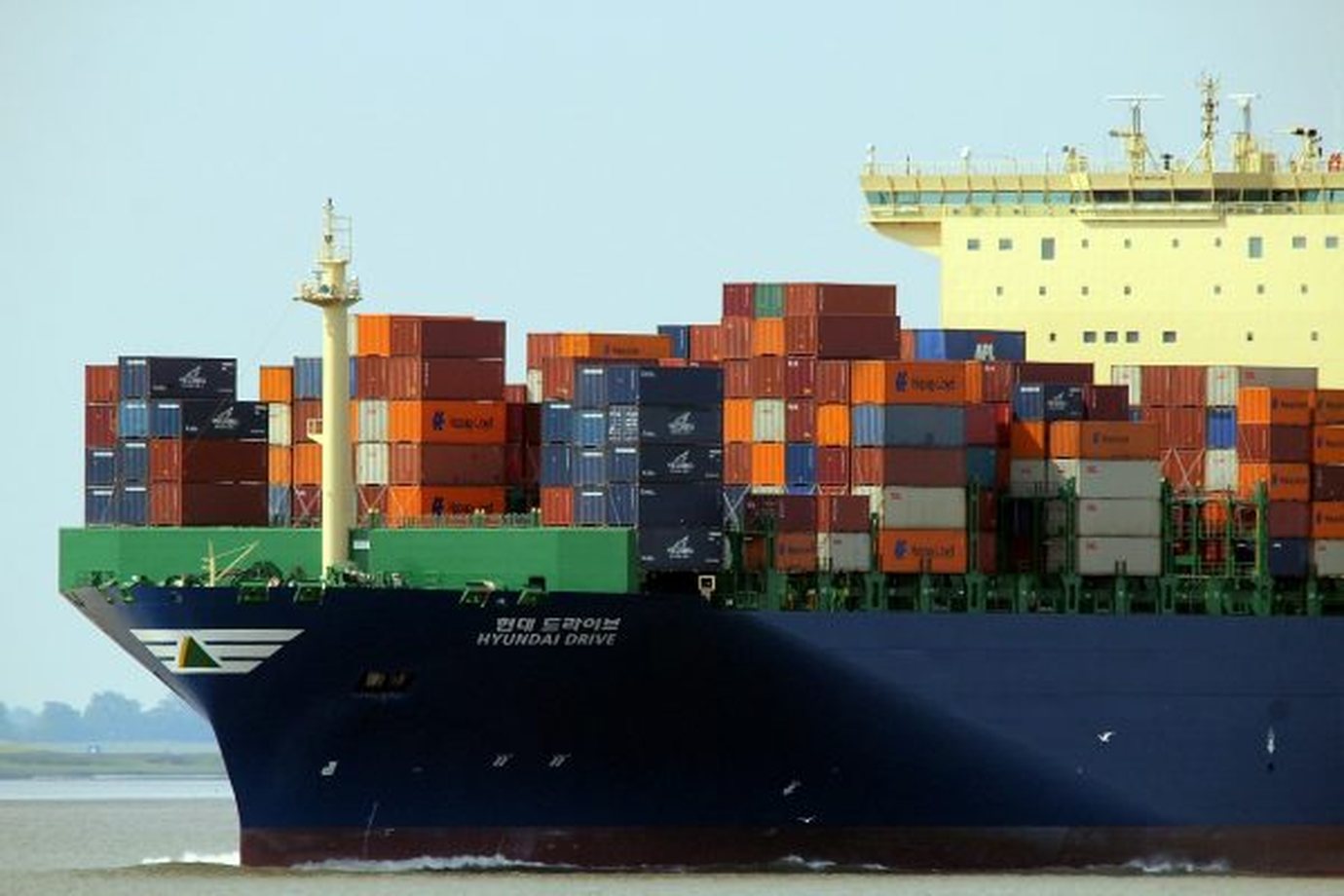
Through a subordinate identified as Diomar and using the communication code Antrax, Montenegro Castillo organized and promoted the trafficking and export of cocaine to Europe in quantities of over 1 ton, hiding it in container ships plying the Guyaquil - Europe route , towards the ports of the Netherlands and Belgium.
"In direct contact with Rexhepi for the import to Europe of loads of cocaine according to well-defined rules - according to which every shipment is carried out with a 50-50 modality, [the Ecuadorians] for every load they give to the Albanians, add an equal load for the account of them, which is entrusted to criminal groups in the Netherlands for distribution," writes the Florence Prosecutor's Office.
According to Italian prosecutors, Rexhepi has managed to secure credit and trust among South American drug traffickers, not only for his great potential in drug trafficking, but also for the fact that he had managed to compete with Chinese criminal organizations in the transfer of drug money.
Generally, the payment of cocaine to South America from Europe is made through Chinese criminal organizations against certain fees. Criminals hand over cash to pay for cocaine in the Netherlands and England, and this amount of money is paid to traffickers in South America by people associated with Chinese crime – without the physical transfer of money from Europe to America.
Rexhepi is included in this mechanism, proposing to Ecuadorians the transfer of money at cheaper rates. His method involved the physical transfer of money through couriers or through multiple transfers made through Western Union offices.
Even in one case, after alerting the Italian police, a couple of Albanian couriers had an amount of 350,000 euros blocked at Guayaquil airport in Ecuador.
"Rexhepi's curriculum vitae shows without a doubt his drive and criminal capacity to manage important traffics at the world level and his full involvement in them, despite his status as a prisoner," writes the Florence Prosecutor's Office.
The "empire" of cocaine
In January 2017, Dritan Rexhepi in collaboration with Montenegro Castillo and Diomar organized a shipment of drugs by container from the port of Guayaquil in Ecuador to the port of Antwerp in Belgium, where 371 kilograms of the cargo belonged to the Albanian trafficker.
The Italian police, who meanwhile were intercepting the encrypted chat communications between the traffickers, notified the Ecuadorian judicial authorities to try to identify the container and stop the drug shipment.
Despite the efforts of the port authorities, the container was not identified. Confirmation of the checks by the Ecuadorian police is also given by the messages exchanged between Rexhep and Diomar. The latter, after the ship's departure, wrote to Rexhep that although there was a high risk that the drugs would be discovered, the goods were now safe.
"Friend, someone informed about the cargo and appointed a 'son of a whore' captain to unload the crates," he wrote to Rexhep on January 15, 2017. "However, everything went well, they didn't see anything and it's already on its way," he reassured him. he further.
The two interlocutors are satisfied with the successful completion of the work and the future of cocaine trafficking, as this shipment was made to an important group of Albanian traffickers, through whom they intended to open a 'channel' of their own to Europe.
"Look, friend, if things go well with those people, you will have nowhere to put the money, believe me," Rexhepi wrote to him.
The method of hiding cocaine in containers by Dritan Rexhepi's criminal group is known as the "system". It involved opening the floor of the container, filling the empty space with cocaine packets and insulating foam, repositioning the floor and welding it to seal off the illegal cargo. The drugs were usually recovered after the importing company of the legal goods loaded into the container, reached the destination and unloaded.
A day later, Dritan Rexhepi and Diomar do the calculations. From the conversation it appears that Rexhepi had bought the cocaine for 4400 USD per kilogram and the total cost for his 371 kilograms was 1.63 million USD, of which 1.2 million USD had been prepaid.
According to other conversations intercepted by the Prosecutor's Office and the Italian police, for quantities greater than 500 kilograms of cocaine, the price of cocaine departure from Ecuador amounted to 6,500 USD with a "state guarantee" and 5,500 without a guarantee.
After reaching Europe, the price at which it was sold to wholesalers was between 22,000 and 24,000 euros per kilogram. Only the amount sent by Rexhepi of 371 kilograms in January 2017, would provide him with an amount of 8 million euros, the reporter writes .
Estimating the income from drug trafficking is difficult, as there are no statistics on the underground economy.
However, assessing the average flows of cocaine identified during the investigations, Italian prosecutors have made a partial assessment for the group of the Marku brothers and for the organization led by Dritan Rexhepi - in order to issue preventive seizure orders for the assets they are suspected of having derived from criminal activity.
As for the Marku brothers, based on the seizure in a case in the Netherlands of 1.4 million euros belonging to the turnover for daily drug sales, the prosecutors of Florence estimate that they circulated at least 50 kilograms per week and reached an annual turnover of 70.2 million euros.
In reality, the turnover may be even greater, as the investigation pointed out that there were days when the same group sold up to 50 kilograms of cocaine at 27,000 euros/kg.
"Since the investigation has photographed the criminal phenomenon related to the Marku brothers - from 2014 until the arrest of Gerti Marku in April 2017, it is estimated that the organization has been active for at least 3 years," the Florence Prosecutor's Office points out.
"The total profit that can be calculated for the time when the existence of the criminal group has been monitored is 210 million euros," adds the prosecution.
Meanwhile, for Rexhepi's group, Italian prosecutors estimate that he trafficked at least 2,368 kilograms of cocaine in 2016 and 3,654 kilograms in 2017, with an average wholesale price of 23,500 euros and a total revenue value over two years of 141 million euros.
Cartel rules
The cartel is unique in its kind: it has the form of a "transnational federation" and consists entirely of Albanian criminal organizations based in the Old Continent. For the first time in history, Albanian drug traffickers do not have to turn to representatives of Latin American cartels in Europe or Italian mafias: they are the ones who manage the traffic, from collection to distribution.
The logic of the Bello Company is simple but practical: cocaine is transported by ship and enters the Old Continent from the ports of Antwerp and Rotterdam, money is laundered through the Chinese system of fei ch'ien, members communicate in codes using exclusively coded services. None of this would be possible, however, in the absence of one fundamental element: corruption. Corrupt were the guards at Quito's prison, just as corrupt were the staff members at the ports chosen for the sale of cargo.
Furthermore, the organization had adopted a code of conduct based on silence and loyalty. Each member, joining the Bello Company, agreed to abide by a set of rules, including taking revenge on his family in case of betrayal. Gang leaders also took it upon themselves to recruit young soldiers and drug dealers among the diaspora, particularly in the Netherlands and Italy, to speed up the sale of matches.
The fall of the "Bello" Company with Dritan Rexhepin
The Kompania Bello era lasted until September 15 last year, the day Europol, Interpol and various national police arrested twenty people in ten countries, including Albania, Italy, Romania and the United Arab Emirates, and ended the imprisonment of Redxhep's gold.
The arrest of Dritan Rexhepi seems to open problems for criminal groups and the breaking of many agreements.