"The fate of the homeland is in our hands" - An appeal by Ismail...
/ 2026-10-18 16:09:54Focus


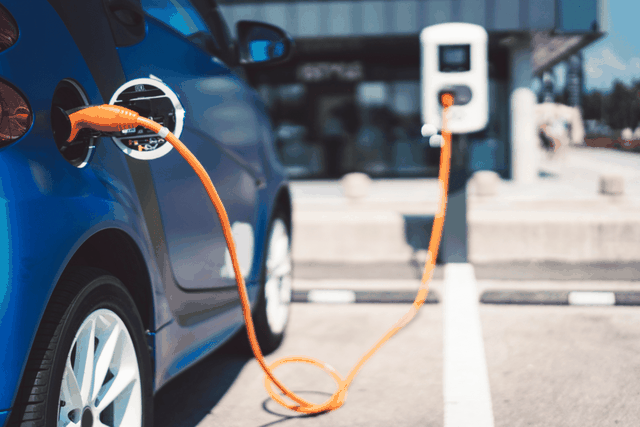
Sales of electric vehicles in July 2024 reached 853,000 globally, up just 6% year-on-year, a lackluster performance that highlights weaker-than-expected demand for battery-powered models and raises doubts about the sector's fitness to maintain its growth momentum.
What's even more worrying is the poor performance of European carmakers, with some major brands such as Stellantis, Volkswagen and Mercedes-Benz seeing significant losses in market share, according to the latest Bank of America EV Tracker report. In contrast, sales of plug-in hybrid electric vehicles rose 58% year-on-year, driven largely by strong Chinese demand.
This shift toward plug-in hybrids may reflect consumer concerns about the range limitations of fully electric vehicles and the higher total cost of ownership associated with battery electric models, particularly in Europe. European carmakers are struggling to keep pace with competition, particularly in the battery electric vehicle segment, Bank of America data showed.
Stellantis' market share fell to 2.7% in July, a sharp decline from 3.6% in the second quarter of 2023 and 4.0% a year earlier. Volkswagen Group's market share fell to 6.6%, from 7.5% in the second quarter of 2023, while Mercedes-Benz, traditionally a leader in the luxury segment, saw its market share fall to just 1.9%, from 2.5% a year ago.
"Electric vehicle sales in Germany are currently suffering from a very high base compared to a year ago, when subsidies for the purchase of company cars were set to expire in September 2023," Bank of America analysts noted. The global electric vehicle market continues to grow, but the weak performance of European carmakers and the rise of plug-in hybrid electric vehicles indicate that the transition to fully electric vehicles may take longer than expected.
One of the main reasons for the slow growth of battery electric vehicles in Europe is the higher total cost of ownership compared to internal combustion engine vehicles, according to Bank of America. While battery electric vehicles generally offer lower running costs, high purchase prices and significant depreciation have hindered wider adoption.
In Germany, which serves as a key indicator for the European market, battery electric vehicle prices remain around 20% higher than their internal combustion engine counterparts, even after accounting for subsidies and rebates. Analysts have noted that European consumers are reluctant to switch to battery electric vehicles due to high initial costs and concerns about residual values. "Electric vehicle battery prices must drop to trigger a sales boom regardless of regulations," Bank of America analysts noted.
Outlook: The European EV sales forecast has been revised downwards
Looking ahead, Bank of America has revised down its forecast for European battery electric vehicle sales, forecasting a 2% year-on-year decline in 2024. The European Union's ambitious emissions targets, including a ban on full sales of new internal combustion engine vehicles by 2035 are set to profoundly shape the future of the automotive market.
While regulatory pressures, particularly around carbon dioxide emissions, will continue to push car manufacturers towards electrification, the higher total cost of ownership associated with battery electric vehicles remains a significant barrier to widespread adoption in Europe .