How Belinda Balluku is fabricating the rumor about Top Channel's...
/ 2026-10-19 16:19:54Focus


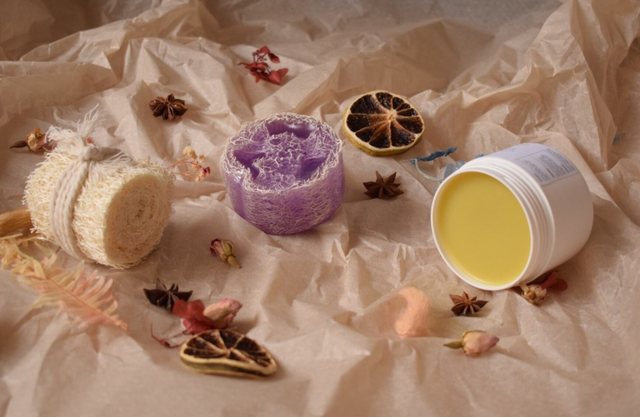
Employed for about seven years at various international companies as an engineer in the oil industry, Rakip Belishaku says he didn't think long about it when he decided to return to the village and grow a rare plant.
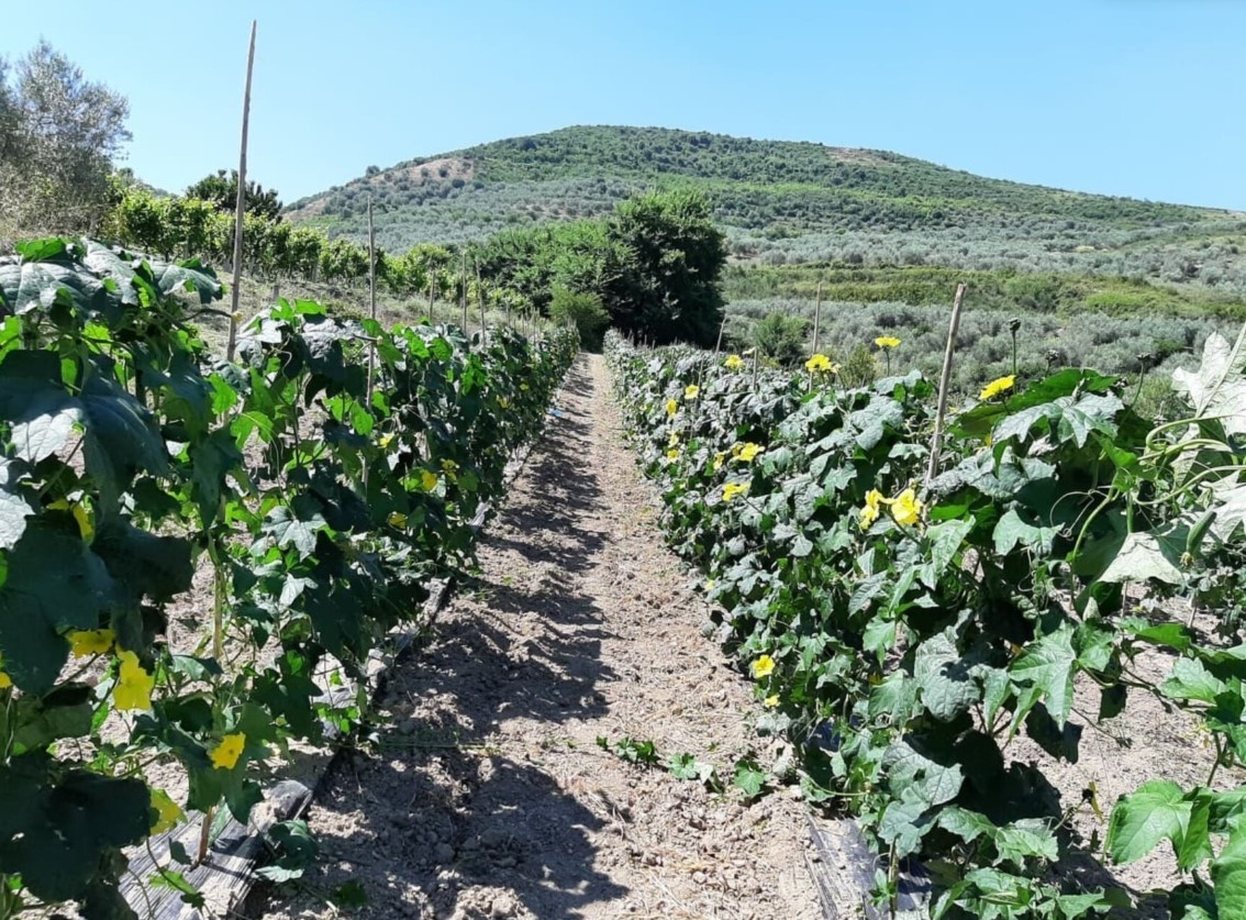
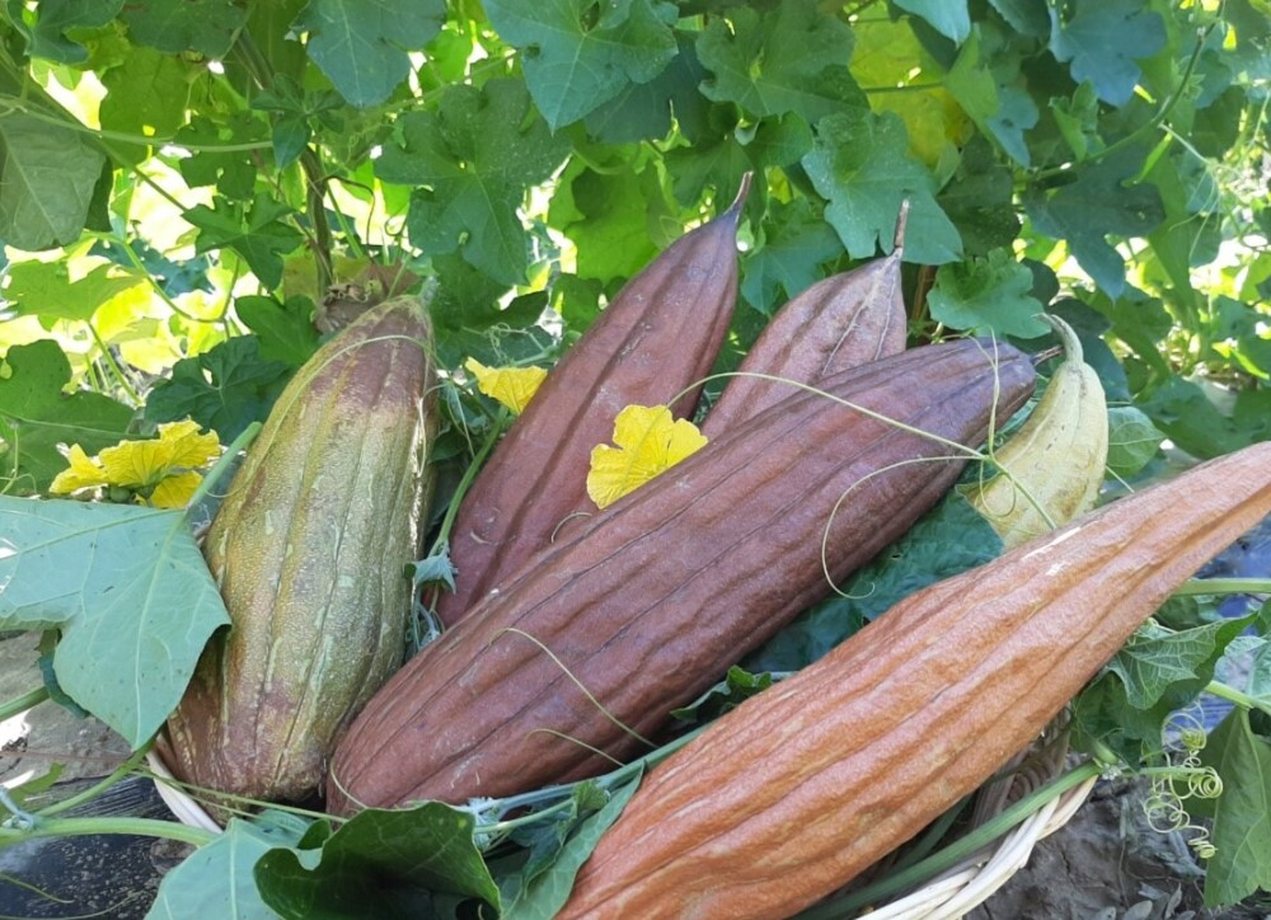
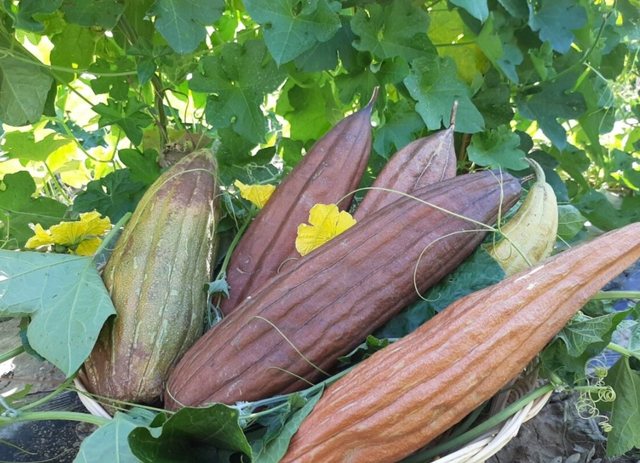
The young man from the village of Kuç i Kumanofor - the southern part of Albania - began doing the first experiments five years ago to plant the plant 'lufa', from which the plant sponge is produced.
The family asked to remove him from the village but he returned there
He says that his family's goal had been to remove him from the village and therefore insisted on schooling in the field of engineering of the oil industry. He says his parents have not welcomed the idea of him returning to the village and devoting himself to farming.
But despite their suspicions and oppositions, he did not give up his passion: love for the earth and the production of an ecological product.
Speaking to RFE/RL, Rakipi says that he initially had some doubts, but that the intention to replace a synthetic product with an eco-friendly product prompted him not to back down from the idea that came to him by chance, while he continued to work on searching oil wells around the world.
"I was in Vietnam when I first came across hanoi Airport with the ready-made product. Out of curiosity I looked for more and saw it exported to Europe from Asian countries. And the idea came up: why not grow it in Albania and export it to Europe?" says the 30-year-old.
He says that when he started sharing this idea on social media, he received comments that indicated that this plant was cultivated in some areas in Albania in the 1970s by Chinese specialists, who at that time went there to lead their experience in building combines, plants or dams.
In four years, tenfold the surface planted
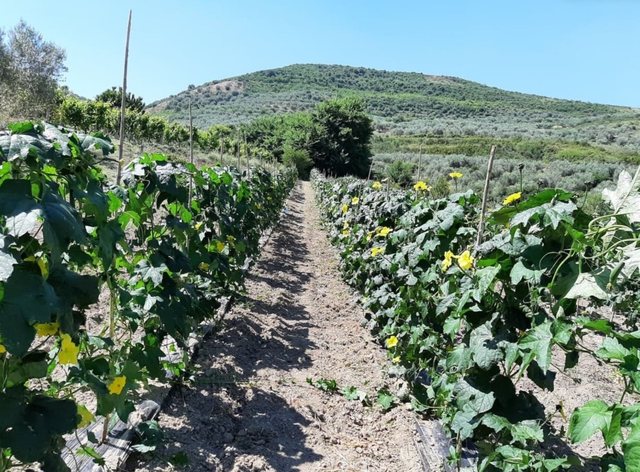
Rakipi returned to his native village of Kuc in 2019 and began experiments to see how much the climate and soil composition suited the lufa plant and what irregation system it requires.
After the experiments were successful, he began to cultivate it.
"In 2020 I started cultivating the lufa plant in an area of 2 thousand square meters, while today this area has been tenfold to 20 thousand square meters. So I went from working for the polluting industry to protecting nature," says Rakipi.
He shows that if with other fruits or vegetables, the work ends with the harvest, with the war is different.
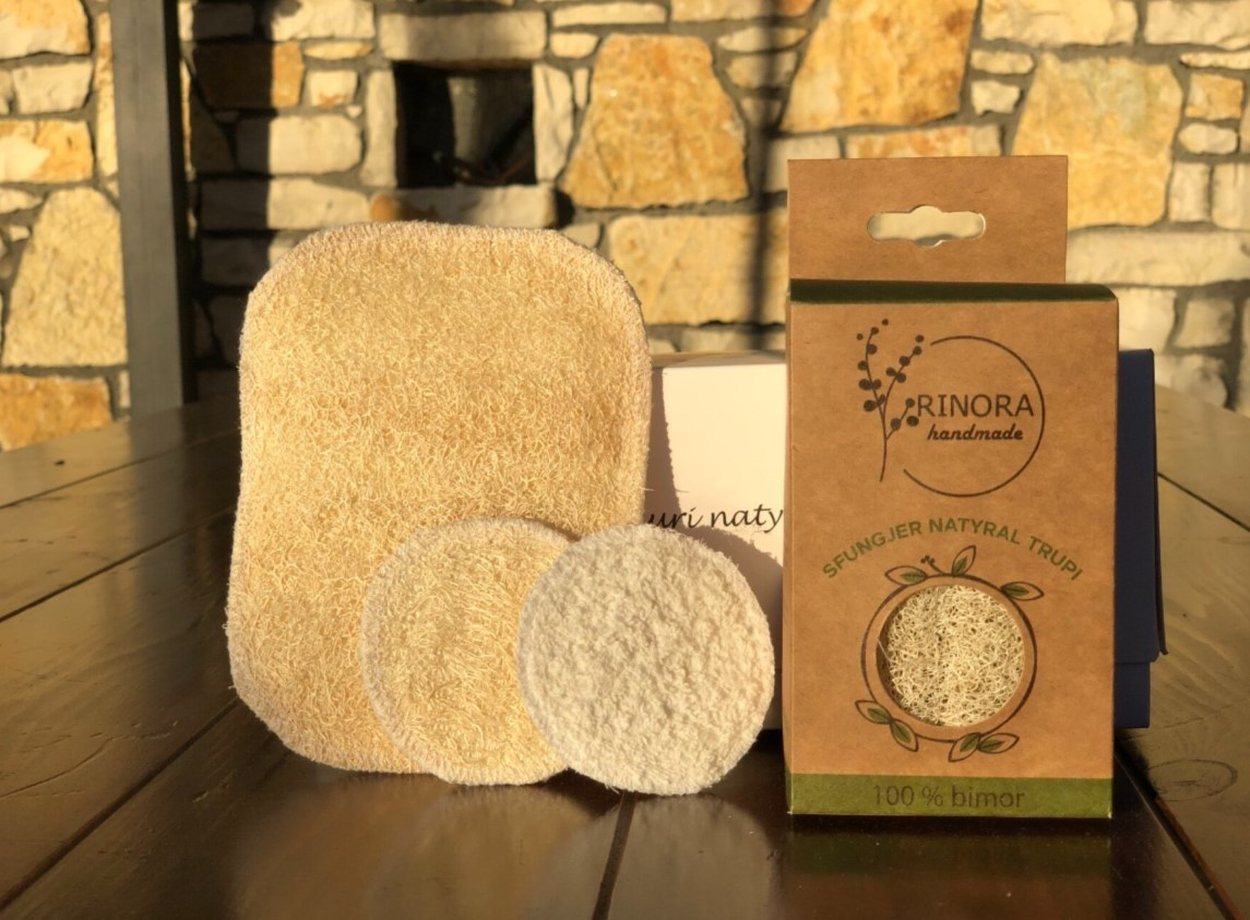
"You've finished half the work. Work and time are then required to wash, clean it from seeds and dry. Then we pass it to the workshop we have set up with my wife, to prepare it as a plant sponge. It has a cycle of 180 days – six months – from seed to shower, from planting to using skin care or washing dishes," says the engineer.
Being an unknown industry, he says he doesn't find technological equipment ready to process the product, so some of the processes the plant goes through were conceived by himself.
Replacing synthetic sponge with eco-friendly
"A natural sponge is recommended to be used for up to 3-4 months, and then it is dissolved. The synthetic sponge, because of its composition, is neither recycled nor dissolved - it takes 500 years to biodegrade. "We are working hard to turn it into an alternative to synthetic products," says Rakipi.
He says that he has some customers who have bought the seeds and started cultivating it for his own use.
He says he would like to change his business model in the future so that farmers in his area can grow the plant and he and his wife buy it from them and then process it to extract natural sponges.
Residents of Kuc village are employed seasonally in his family business.
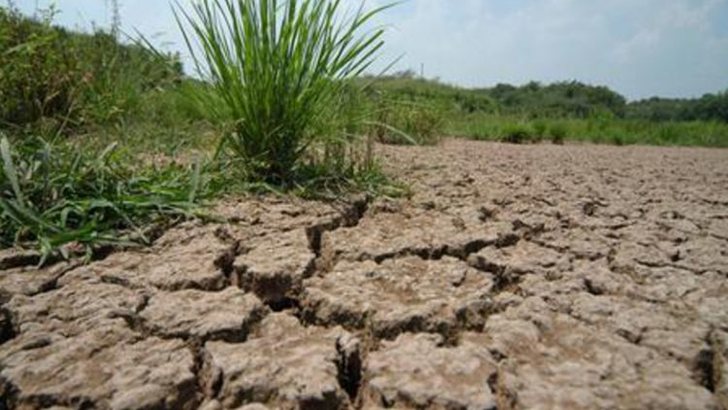
Rakipi says that the challenge for cultivating this plant is the high temperatures, which often affect the damage of the product.
Export to Europe and the US and experiments in Kosovo
Some of its production goes to the Albanian market, while most of it is exported.
"We have the main market in Germany, and right now I am closing a deal to export it to the United States. That was my goal - to create a brand 'Made in Albania' and export it. That remains my focus," said Rakipi.
He says he has not completely given up his profession as an engineer, but that "cultivating natural sponge, expanding a larger area, trading across the country and exporting it" are his priorities.
"I want to bring a culture of environmental preservation," he says.
After making this product known in Albania, he is trying to introduce it to the Kosovo market.
“Kur e prezantova në një panair në Kosovë, njerëzit vinin dhe pyesnin se sa kushtonte kadaifi. Për shkak të formës që ka dhe faktit që nuk e njihnin si produkt, iu dukej si kadaif. Më pas, kur u shpjegoja se çfarë është, mbeteshin të habitur”, thotë i riu.
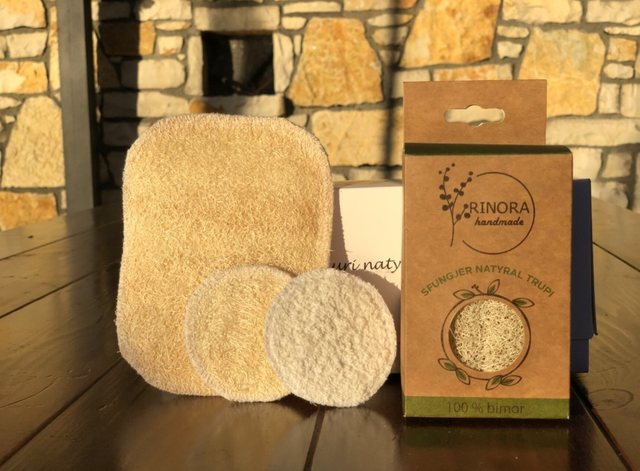
Rakipi tregon, po ashtu, se është duke kryer disa eksperimente në Skënderaj dhe Prishtinë me fermerë të këtyre zonave të Kosovës, për të parë nëse klima dhe përbërja e tokës janë të përshtatshme për ta mbjellë dhe kultivuar lufën, e më pas për ta hedhur në treg.
Me këtë ide, Rakipi dhe bashkëshortja e tij u përzgjodhën fitues të projektit “Green Business 2020” në Shqipëri dhe më pas edhe fitues në rang rajonal në “Balkan Green Ideas 2020”.
Rakipi thotë se përdorimi në dush i sfungjerit natyral, largon qelizat e vdekura të lëkurës, rrit mikroqarkullimin e gjakut dhe parandalon celulitin.
Nën logon “Rinora Handmade” nga bima lufa, familja e tij prodhon rreth shtatë produkte sfungjeri 100% natyrale.
Atyre u shtohet edhe sapuni natyral i prodhuar me mjaltë dhe gjalpë shea. /REL