


Protests highlight trauma crisis, operating rooms under reconstr...
/ 2026-10-15 18:35:16Focus


Technical-legal synthesis
The project for the creation of a “Sovereign State of the Bektashi Order” is not just a religious issue. Nor is it a debate over the autonomy of a spiritual community. If taken seriously in a legal sense, it represents something much larger: the project for the creation, within the territory of the Republic of Albania, of a new entity with a claim to sovereignty and international personality.
And this is exactly where the question begins that has not yet received its full answer.
Why do we need a state?
Bektashism could have a world center. It could enjoy expanded autonomy, special legal status, institutional privileges, functional immunities, or a special regime recognized by law. All of this could be achieved without changing the map of Albanian sovereignty.
Then, if the objective is only to protect and strengthen the Bektashi Order, it must be explained why existing legal instruments are not sufficient.
Because sovereignty is not an institutional decorum.
A state, even when it is a microstate, produces powers that a religious community does not have. It may have territorial jurisdiction, citizenship, travel documents, diplomatic relations, the capacity to conclude international agreements, fiscal and property regimes, legal registries, privileges and immunities, and, in certain circumstances, the aspiration to participate in international organizations.
This means that the debate should not focus solely on the symbolism of creating a "Bektashi Vatican".
It should focus on the incremental function of sovereignty.
What will this entity be able to do tomorrow that the World Bektashi Patriarchate cannot do today?
This is the question that separates the rhetoric from the real architecture of the project.
FROM RELIGIOUS AUTONOMY TO SOVEREIGNTY
In public law there is a fundamental distinction between autonomy and sovereignty.
Autonomy is exercised within a legal order. Sovereignty claims to produce its own legal order.
This difference is essential.
A religious community can administer its property, finances, structures, educational institutions, and relations with believers. A state, on the other hand, can claim public jurisdiction over territory and persons.
If the project of the Sovereign Bektashi State aims precisely at this transition, then it directly affects the principles on which the Republic of Albania is built: state sovereignty, state unity, territorial integrity and the exclusivity of public jurisdiction.
For this reason, the creation of a sovereign entity cannot be treated as an ordinary administrative procedure, as a favor to a religious community, or as a matter of property.
Essentially, it is about the question of whether and how the Republic of Albania can limit the exercise of its sovereignty over a part of the territory.
NJË SHTET NUK KRIJOHET VETËM ME LIGJ
Edhe nëse Shqipëria do ta njihte juridikisht një entitet të tillë, kjo nuk do të ishte e mjaftueshme për ta kthyer automatikisht në një subjekt efektiv të së drejtës ndërkombëtare.
Njohja ndërkombëtare nuk prodhohet me vendim të njëanshëm.
Duhet parë nëse shtete të tjera do ta njihnin, nëse do të pranonin dokumentet e tij, nëse do të krijonin marrëdhënie diplomatike, nëse do të lidhnin marrëveshje me të dhe nëse entiteti do të kishte kapacitet të vepronte realisht si shtet.
Pra, mund të ekzistojë një diferencë e madhe ndërmjet një shteti të shpallur, një shteti të njohur dhe një shteti funksional.
Kjo diferencë është vendimtare.
Përndryshe, rreziku është krijimi i një konstrukti juridik me emrin e sovranitetit, por pa instrumentet e tij reale.
KUSH E KËRKON SOVRANITETIN?
Pikërisht këtu debati bëhet edhe politik. Por edhe këtu kërkohet kujdes.
Nuk mjafton të identifikosh se kush mund të përfitojë nga projekti për të deklaruar se ai është ideatori i tij.
Në çdo projekt të kësaj natyre duhen ndarë së paku pesë kategori: ideatorët, arkitektët juridikë, mundësuesit politikë, mbështetësit diplomatikë ose financiarë dhe përfituesit potencialë.
Një shtet mund të ketë interes për krijimin e një entiteti të tillë pa e pasur konceptuar atë. Një aktor financiar mund të përfitojë nga një regjim i caktuar pa qenë sponsor. Një autoritet fetar mund të jetë përfitues formal pa qenë domosdoshmërisht origjina e projektit.
Prandaj analiza duhet të ecë në drejtimin e kundërt nga ai i konspiracionit.
Jo fillimisht: “Kush qëndron pas shtetit?” Por: “Çfarë kompetence krijon ky shtet?”
Pastaj: “Për çfarë funksioni nevojitet kjo kompetencë?” Dhe vetëm më pas: “Kush ka interes te ky funksion?”
NJË SHTET KA EDHE EKONOMI
Një tjetër dimension që nuk mund të anashkalohet është regjimi financiar.
Nëse projekti do të mbetet thjesht një simbol fetar, kjo çështje ka rëndësi të kufizuar. Por nëse parashikohen sistem fiskal, regjistrim subjektesh juridike, administrim fondacionesh, donacionesh
ndërkombëtare, marrëdhënie bankare, privilegje tatimore apo regjime të posaçme financiare, atëherë pyetjet shumëfishohen.
Kush kontrollon flukset financiare?
Cilat standarde zbatohen për pronarët përfitues?
Kush ushtron mbikëqyrjen kundër pastrimit të parave?
Cili është raporti me sistemin bankar shqiptar dhe europian? Kush regjistron shoqëritë, fondacionet apo pasuritë?
Këto nuk janë detaje teknike. Ato janë pjesë e vetë përmbajtjes së sovranitetit.
PO POPULLSIA E SHTETIT?
Çdo shtet kërkon jo vetëm territor dhe autoritet, por edhe një marrëdhënie juridike me individët. Kush do të jetë shtetas i këtij entiteti?
Vetëm klerikët? Besimtarët?
Rezidentët?
A do të lejohet shtetësia e dyfishtë?
Çfarë të drejtash dhe detyrimesh do të prodhojë kjo shtetësi?
Kush do të jetë kreu i shtetit dhe si do të bëhet trashëgimia e pushtetit? A do të bashkohen në një person autoriteti fetar dhe ai shtetëror?
These questions are essential because they determine whether we are dealing with a privileged religious entity or a genuine public order.
FROM “DIELLA” TO BABA MONDI
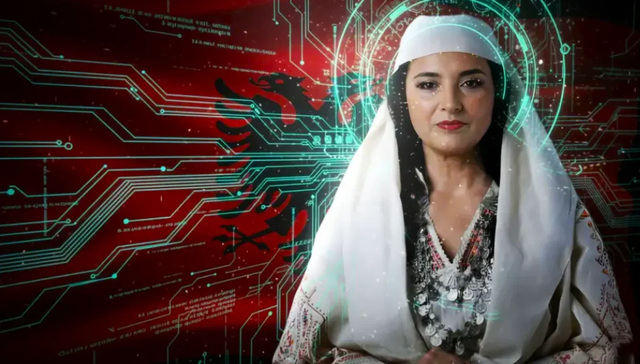
Albania in recent years has often become a testing ground for new forms of administration, technology and institutional representation. From “Diella”, the digital figure of public administration, to the project of a sovereign entity led by the highest Bektashi authority, the Albanian state seems to be entering a phase where the question is no longer just how it is governed, but also what the state itself is.
In one case, technology takes on an institutional face.
In the other, religious authority can take the form of a state. Both require the same thing: clear legal boundaries.
Because institutional innovation does not exclude constitutional control. On the contrary, the more unusual the form, the stronger the demand for understanding the powers that are being created should be.
In the case of the Sovereign Bektashi State, four tests are inevitable:
Is sovereignty necessary? Is it proportional to the objective?
Will it be effective internationally?
And to which actors can its conception, design, and implementation be truly attributed?
In the end, the matter can be reduced to a single formula:
SOVEREIGNTY → COMPETENCE → FUNCTION → INTEREST → ACTORS → LEGAL ARCHITECTURE → RECOGNITION → EFFECTIVENESS
Precisely for this reason, the most important question is not: “Why a state for the Bektashis?”
But: What legal, diplomatic, financial or institutional function requires the creation of a sovereign entity and cannot be realized in an equivalent manner within the existing legal order of the Republic of Albania?
If this question is answered, then the project itself begins to be understood. If the answer is missing, then the fundamental justification for sovereignty is still missing.


