Is this police force professional and capable of handling violen...
/ 2026-10-16 18:54:07Focus


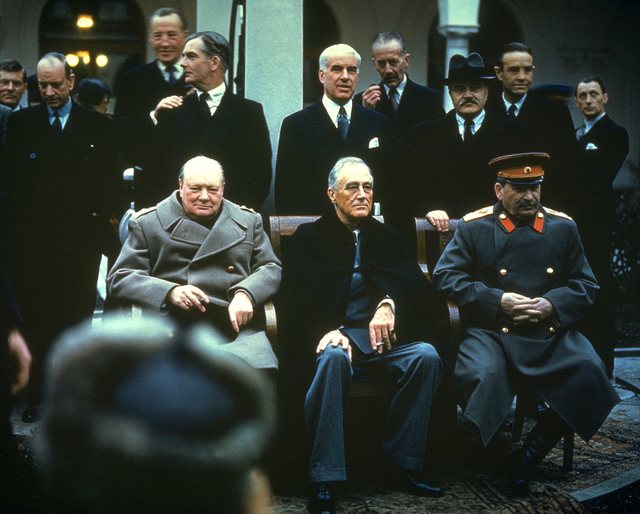
This year marks the 80th anniversary of the victory in World War II. In this war, the bloodiest in human history, which affected over two billion people worldwide, more than 60 million people lost their lives. As a result, the United Nations was formed, a new global order was established, and the balance of global geopolitical and economic power shifted.
In the current world, when tensions in international relations are on the rise, regional military conflicts occur one after another, the voice of protectionism is growing stronger, and the far right is gaining power, world peace is once again in danger.
At this historic moment, when we remember the victory of World War II, what lessons can we learn to avoid the repetition of such great human tragedies and what can we do to protect precious peace?
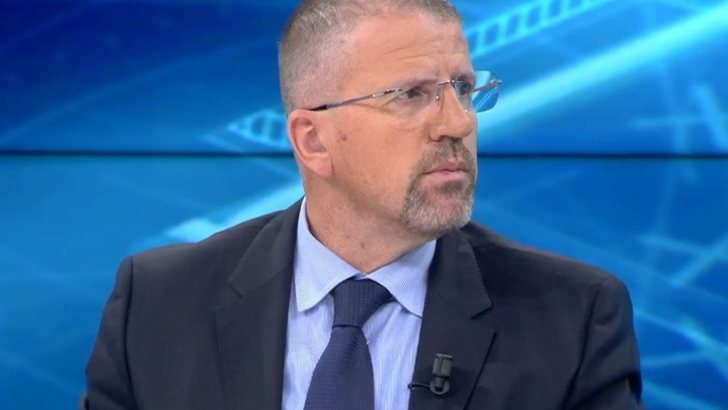
Renowned Albanian historian Marenglen Kasmi, a researcher of the World War II period, gives his answer to these questions in an article he sent us. Let's see what his perception is of the "legacy" of the victory of this war.
A war that shapes the current world
The victory over the aggressor bloc of Rome-Berlin-Tokyo in World War II not only represents the end of a global conflict with devastating consequences, but also constitutes the moral and political foundation on which the modern concept of anti-fascism as a civic and universal value was built from the second half of the 20th century onwards. The fight against fascism and Nazism became a symbol of the confrontation between ideologies: on the one hand, fascism and Nazism as totalitarian regimes based on racism, oppression, militarism and aggression, and on the other hand a broad alliance of states that, despite their political differences, united in defense of freedom, sovereignty and human dignity. In this sense, anti-fascism is not simply a military positioning or strategic alliance against a temporary enemy, but a moral and political postulate that shaped the post-war consciousness and legitimized many of the new regimes that emerged victorious from this world conflict.
However, immediately after the victory, this anti-fascist unity was shattered with the onset of the Cold War. The victorious coalition, which included the USA, the Soviet Union and Great Britain, fragmented into two ideological blocs, dividing the world more deeply than the war itself had done. The war against fascism was followed by a clash for ideological dominance, where in many countries of Eastern Europe, including Albania, anti-fascism was used politically and turned from a civic ideal into a propaganda tool.
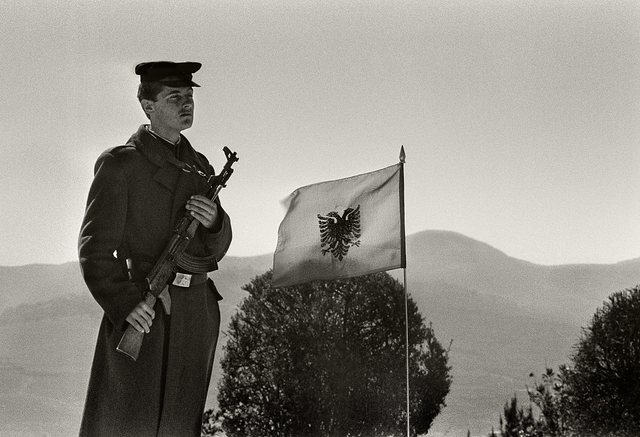
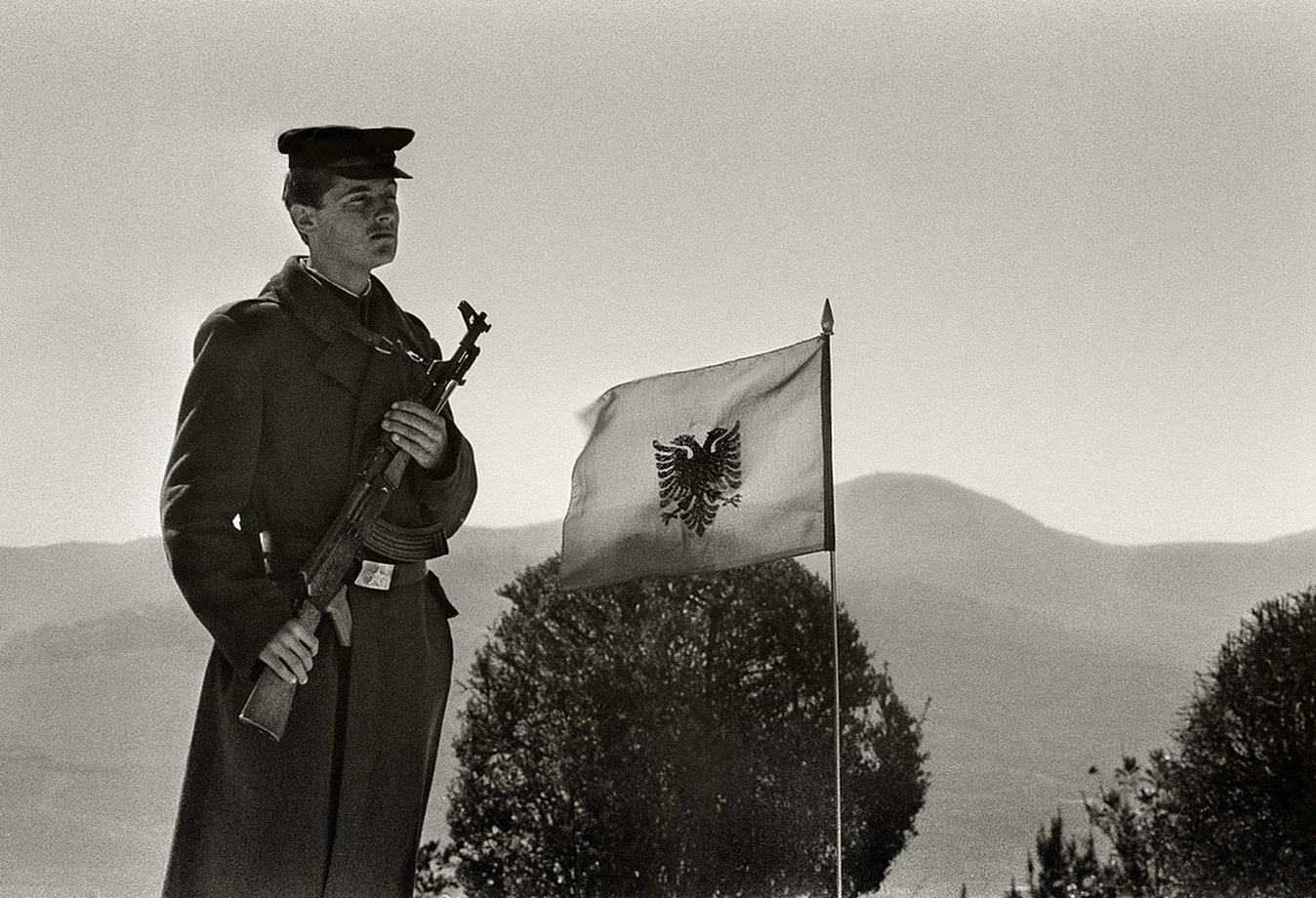
In this context, the case of Albania is particularly significant. The Antifascist National Liberation War represents one of the most important and defining moments in the modern history of Albania. Through it, national independence violated by foreign fascist and Nazi occupations was restored, the preservation of territorial integrity was guaranteed and the foundations of a new Albanian state were laid. For the first time after the declaration of Independence in 1912, Albanians managed to organize themselves in a sustainable manner in a broad resistance front, making the liberation of the country an act of popular will and not the result of foreign interventions. The Antifascist National Liberation War in Albania was not only a military confrontation with the invaders, but was above all a movement with a national, political and social character. Despite the developments that followed in the post-war period, this war remains an irrefutable historical act for the protection of national identity, salvation from territorial fragmentation and evidence of a strong awareness to defend the homeland at any cost.
Furthermore, the true legacy of this war lies not only in the political gain that was later made from it, but in the sacrifice and collective consciousness that was created in the people to oppose any form of occupation. This legacy needs to be read today beyond the ideologies that used and deformed it. It represents perhaps the last moment in the modern history of Albania where the people, in an organized and conscious manner, decided to take their fate into their own hands in the name of freedom, independence and national dignity.
Ultimately, World War II has a multiple significance. First, this war showed that evil can only be defeated through the union of different values and forces. Second, anti-fascism is not an ideological exclusivity, but a universal human value.
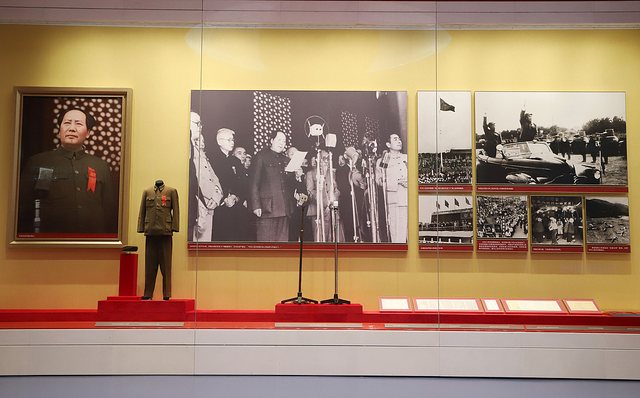
China's contribution in East Asia to the victory of World War II
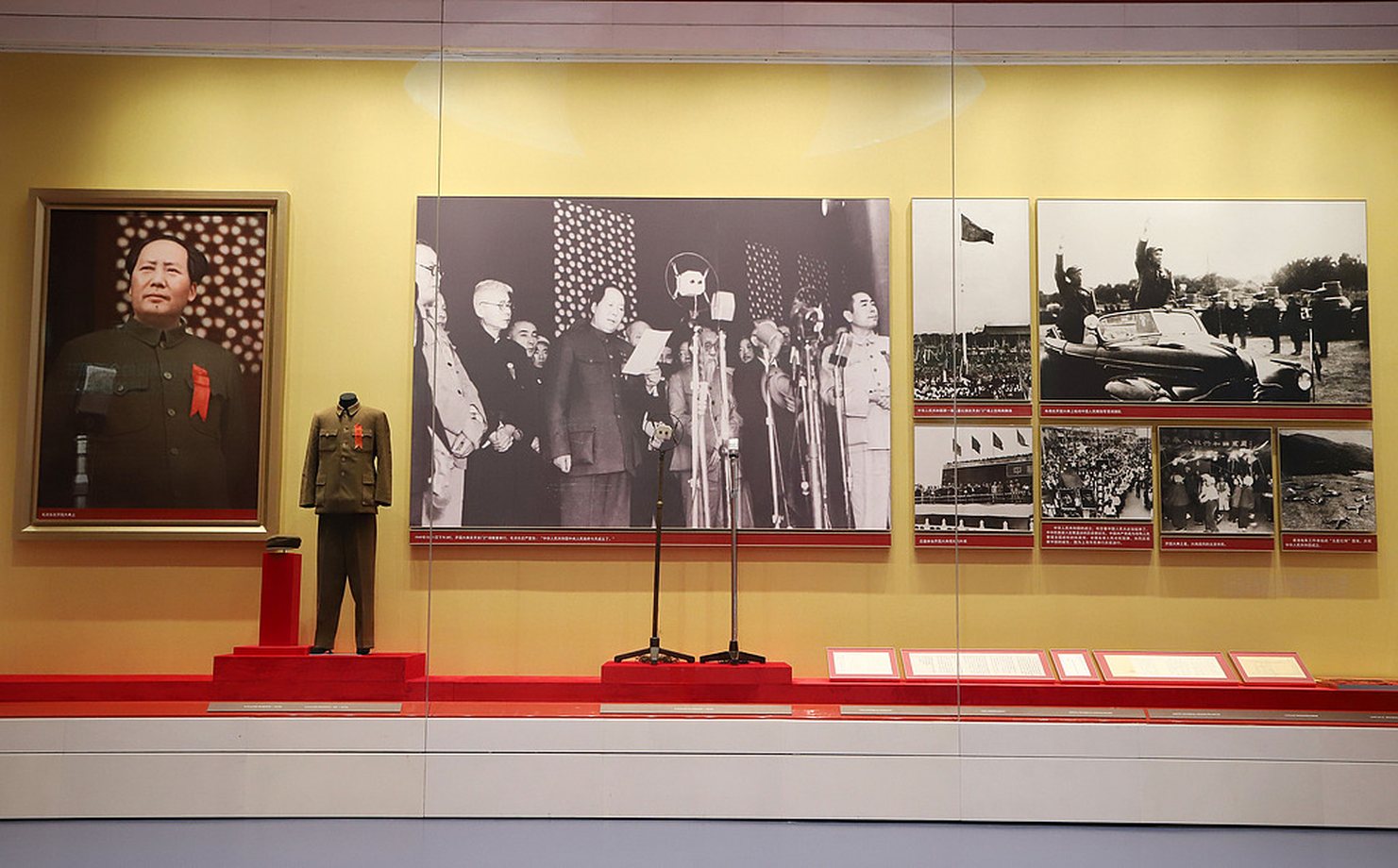
The military developments in East Asia during World War II were crucial to the dynamics and eventual victory of the Allies, although they have long been neglected in Western historiography. This theater of war took shape before the outbreak of war in Europe and was characterized by major clashes between militaristic Japan and Allied forces, including the significant presence of European colonial powers in the region. Japan, which aimed to establish its hegemony in Asia through the creation of an “East Asian Sphere of Co-Prosperity,” undertook violent military campaigns in territories previously controlled by Great Britain, France, and the Netherlands. Despite its “liberating” rhetoric against European colonialism, Japan replaced one form of rule with another, often more brutal and destructive for the local populations.
Në këtë kontekst, lufta e Kinës kundër agresionit japonez përfaqëson një kontribut thelbësor në përpjekjet globale antifashiste. Kina përballoi një pushtim të egër që nisi me incidentin e Urës Marco Polo në korrik 1937 dhe zgjati tetë vjet. Rezistenca kineze, e udhëhequr nga forcat kryesore të Frontit të Bashkuar Antijaponez, ku Partia Komuniste Kineze luajti një rol të rëndësishëm, sidomos në luftën guerile dhe mobilizimin popullor e më vonë themeloi edhe Republikën Popullore të Kinës, arriti të përballojë sulmet sistematike japoneze, duke penguar përqendrimin e plotë të Japonisë në frontin e Paqësorit dhe duke i shkaktuar asaj humbje të mëdha. Luftimet përfshinë masakra të tilla si ajo e Nankingut (1937–1938), betejat në Changsha dhe ofensivën “Ichigo” në 1944, ndërkohë që miliona civilë u mobilizuan në mbështetje të përpjekjeve luftarake. Kina mbajti të lidhura një pjesë të madhe të trupave japoneze, duke vonuar dhe destabilizuar projektet e mëtejshme ushtarake të Japonisë.
Një nga aspektet më pak të theksuara, por jashtëzakonisht të rëndësishme të këtij kontributi, ishte ndikimi që lufta kineze ushtroi mbi strategjinë japoneze ndaj Bashkimit Sovjetik. E zhytur thellësisht në konflikt me Kinën, Japonia nuk ishte në gjendje të hapte një front lindor kundër sovjetikëve, veçanërisht pas vitit 1941, kur Gjermania nisi ofensivën e saj në Lindje. Edhe pse pjesë e boshtit tripalësh Gjermani-Itali-Japoni, Japonia vendosi të mos e shkelë paktin e mosagresionit me Bashkimin Sovjetik, pikërisht për shkak të angazhimit të saj të thellë në Kinë. Kjo i dha Moskës një avantazh vendimtar, duke i mundësuar transferimin e trupave siberiane për të mbrojtur frontin e Moskës në dhjetor 1941 – një moment kyç që ndikoi në ndaljen e ofensivës gjermane. Prandaj, lufta rezistuese e Kinës nuk pati vetëm rëndësi lokale, por ndikoi drejtpërdrejt në ekuilibrat strategjikë euroaziatikë, duke kufizuar manovrën japoneze dhe duke krijuar hapësirë kritike për ndërhyrjen sovjetike.
Përkujtimi i 80-vjetorit të fitores së luftës së popullit kinez ndaj agresionit japonez është një rast për të reflektuar jo vetëm mbi qëndresën e gjatë dhe të dhimbshme të popullit kinez, por edhe mbi rëndësinë e kësaj lufte në përmasat globale të konfliktit. Roli i Kinës duhet të vlerësohet si një faktor thelbësor në ruajtjen e fitores aleate në Lindje dhe në stabilizimin e një situate globale që ndodhej në prag përmbysjeje. Rëndësia e këtij kapitulli nuk qëndron vetëm në dimensionin e sakrificës dhe të humbjeve njerëzore – të cilat ishin kolosale – por edhe në faktin se përbën një rast ku një vend në zhvillim, në kushte të jashtëzakonshme, arriti të mbajë një vijë frontale përmes mobilizimit të qëndresës popullore dhe ndihmës ndërkombëtare.
In this sense, China was not simply a victim of aggression, but an active and indispensable actor in the global effort to destroy the fascist axis. Its war against Japan gave it new international legitimacy and strengthened its position as one of the four great Allied powers that would influence the architecture of peace after 1945.
Lessons from World War II
On the occasion of the 80th anniversary of the end of World War II, reflection on this monumental event should not remain only in the historical context, but should serve as a call to awareness of the responsibilities that peace, democracy and coexistence between peoples bring. This bloody conflict taught us that indifference to aggression, compromise with ideologies of hatred and international division can pave the way for uncontrollable disasters. World War II showed that freedom is not a permanent good, but an achievement that requires vigilance, unity and confrontation with injustice. Above all, it proved that evil can assume global proportions when nations hesitate to defend the fundamental values of humanity.
Today, as the world once again faces serious conflicts – such as the war in Ukraine, tensions in the Middle East, outbreaks of extreme nationalism and deepening political polarization – the lessons of the Second World War seem more relevant than ever. They remind us that peace is not the absence of war, but mutual acceptance, trust-building and respect for an international order based on law and not on force. The memory of the war and its sacrifices must serve as the foundation for a new commitment to multilateralism, solidarity and the rejection of all forms of ideological, racist or imperialist violence.
On this anniversary, it is not enough to simply bow down before the memory of millions of lives lost. A moral confrontation with the past is required, but also a clear positioning towards the present. The protection of peace, international law and human dignity remains the duty of every generation. The Second World War is our common past, but its lessons are our eternal responsibility.
Assoc. Prof. Dr. Marenglen Kasmi/ Institute of History/ Academy of Sciences, Tirana