Berisha: Altin "Troplini" Dumani amnestied electoral crimes, SKA...
/ 2026-10-19 11:44:20Focus


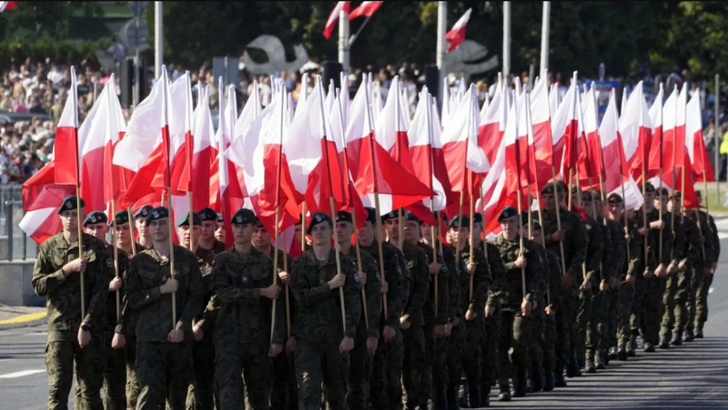
There are some photos floating around the internet that have quite unexpectedly become fodder for the politics of the day. The President of the Supreme Court, Sokol Sadushi, was photographed with a red scarf around his neck in a commemorative activity for the Second World War. On his side are socialist deputies and local elected officials. Other photos show Sadushi with DP deputies, even wise "hawks" of the re-establishment. That was enough for the Reestablishment, other political "hawks" to take back the flag of the war against the institution. Even appealing to the code of ethics of the Supreme Court of Justice, which considers the function of a judge to be incompatible with political activities. But is it so? Can the judiciary be asked to provide that answer that has been missing for three decades or so about the attitude to the Second World War? Can they give a "decision" for this endless quarrel that sees war as a dividing point and not as a value, where one side, with the wise anti-fascist orientation of the time, tries to justify the macabreness of the system for half a century and the other side, the massacre inhumane and criminal of half a century of suffering to use as an alibi for the wrong choice during the war? Is Sadushi guilty of honoring his partisan father, and would Sadushi's former colleagues be called such, one who honors his executed husband, a hero of democracy or the other who honors his brother, the martyr of democracy, but in the presence of political figures?
What happened in the Second World War and its protagonists are one of the most significant parts of the modern heritage of all humanity. The epic war of the Western democracies, USA, Great Britain, France, but also small and modest Albania, without excluding the former Soviet Union, is one of the most excellent examples of historical courage and epic sacrifice against Nazi-fascism. It rebuilt the foundations of today, also threatened by the new Russian nationalist fascism. But judging what happened 80 years ago, based on the catastrophic consequences it produced for the half of the globe that fell under communism, is a naivety that only the extreme right in Europe articulates today and a revanchist minority, nor the left nor the right in Albania. The repeated attempt and the ridiculous refrain of waving the tattered flags of former divisions to keep Albania still in the trenches of World War II hatred does not serve anyone. It does not even serve the simple truth that no longer exists, with the style it shares: socialists as heirs of former communists and democrats as flag bearers of anti-communism. Because if it were for the communists, those red-faced feudal lords of Enver Hoxha, they would have shot Edi Rama, the leader of the socialists, as an ideological traitor, without a trial, while in all probability, Sali Berisha, the leader of the democrats, would to be from the side of the machine guns of the firing squad.
In fact, this is only the surface. Deep in logic, the game has a completely different dimension and nature, which even some of the players themselves do not understand. It is essentially about the delegitimization of the justice system, a windmill whose wings only bring water to the Rama river. In essence, it is the grotesque alignment on the same front of all those who are enemies with each other in politics, but in front of the justice system they become allies. Because they share the same problem!