Is this police force professional and capable of handling violen...
/ 2026-10-16 18:54:07Focus


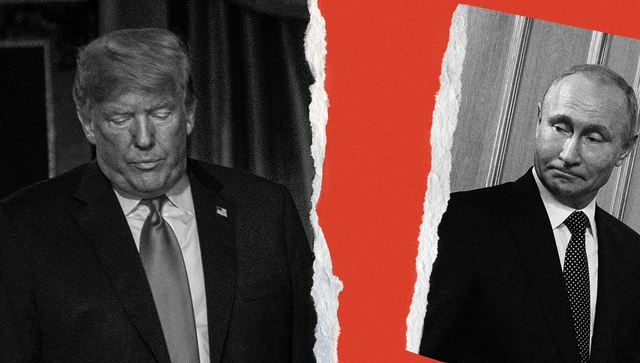
Like many other stories about Donald Trump, this one begins with a tweet.
More than a decade ago, Trump pondered whether Vladimir Putin would enter a beauty pageant that Trump was sponsoring in Moscow and, if so, whether Putin would “become my new best friend.”
That seemingly random 2013 Twitter message marked one of the most enduring and significant geopolitical friendships in recent times – one that has endured despite accusations of election meddling, an investigation by a special counsel, and the invasion of Ukraine.
But in recent weeks, the relationship has begun to show signs of strain.
Irritated by Putin's reluctance to sign a ceasefire with Kiev and by new images of violence in Ukraine, Trump has expressed rare public anger at the Russian leader, while privately he is considering a series of sanctions aimed at forcing Moscow to sit at the negotiating table.
Trump is starting to feel humiliated that Putin is, as the president said this week, “pushing him,” and is frustrated that Putin doesn’t seem to want to end the war, said two of the president’s outside advisers and a third person familiar with the negotiations.
At the same time, Trump said he would wait “two weeks” – his favorite verbal crutch when buying time – before deciding on his next move towards Russia, raising doubts that the Trump-Putin relationship will survive.
The two-week deadline also pushes a potential turning point in the Ukraine war: Will the president step back from the conflict, which would strengthen Russia? Or will he truly stand up to Putin for the first time?
"I see signs that he's trying to create a good atmosphere with Putin. He thought, because they were good friends, that he could get the deal done in 24 hours. Of course, none of that was true at all," said John Bolton, Trump's former national security adviser.
Trump didn't think it would turn out this way. He has long been impressed by Putin and his grip on power, and worked hard to build a relationship with his Russian counterpart.
During Trump's first term, the pair met on several occasions without any staff present, a departure from protocol. And, famously, Trump sided with Putin over his own country's intelligence agencies when asked during a summit in Helsinki in 2018 about Russian interference in the US election two years earlier.
During his time out of office, Trump praised Putin as a "genius" and repeatedly said that, once he returned to the White House, he would resolve the Russia-Ukraine conflict in a single day.
Since then, he has sought a summit with Putin that could be a pre-recorded televised moment to announce the end of the war — and a long-awaited Nobel Peace Prize for himself. (“He really wants a Nobel Peace Prize,” Bolton said.
"He'll take it for Ukraine, he'll take it for Gaza, he'll take it for Pakistan-India. He's not special."
In his first months in office, Trump has been eager to make business deals with Russia and blamed Ukraine for instigating a war that actually began when Russia moved its military across the border. He rebuked Ukrainian President Volodymyr Zelensky in the Oval Office and temporarily cut off U.S. intelligence sharing and military aid, allowing Russia to win on the battlefield.
He also claimed that Ukraine — and specifically its leader — was the biggest obstacle to peace. Trump has shown deep antipathy toward Zelensky, whom he views as ungrateful for U.S. support and at least partly responsible for his ouster from office in 2019.
(Trump suspended military aid from Ukraine to pressure Kiev to investigate the family of his political rival Joe Biden.)
In an Oval Office interview with The Atlantic in late April, when asked if there was anything Putin could do that would make him say he was on Zelensky's side and not Putin's, Trump again highlighted his strained relationship with the Ukrainian leader:
“Not necessarily on Zelensky’s side, but on Ukraine’s side, yes,” the US president said. “But not necessarily on Zelensky’s side. I had a tough time with Zelensky.”
However, Zelensky quickly agreed to a new US proposal for a 30-day ceasefire in March. Russia dragged it out.
More than two months later, Moscow has still not agreed to a pause in the fighting and has instead escalated the violence, launching waves of drone and missile attacks on Ukrainian cities in recent weeks, killing more than a dozen people.
This attack was the latest act of defiance from Putin, coming days after he failed to meet with Zelensky and Trump in Istanbul and then enthusiastically spent a two-hour phone call with the US president without agreeing to a cessation of hostilities.
On Sunday, Trump lamented Putin's defiance, writing on Truth Social: "I've always had a very good relationship with Vladimir Putin of Russia, but something has happened to him. He's gone completely crazy!" A Kremlin spokesman, Dmitry Peskov, responded by saying Trump was having "emotional reactions."
Initially, Trump believed Russia was willing to negotiate, according to a person familiar with the negotiations, who was granted anonymity to discuss sensitive internal conversations.
Por, sapo Ukraina pranoi propozimin për armëpushim, “ishte pothuajse si të kundërshtoje bllofin e rusëve, dhe është e qartë në këtë pikë se Putini po luan një taktikë vonese dhe presidenti e gjen shumë frustruese”, tha ai.
“Ai është vërtet i frustruar që mendonte se Putini ishte në një pozicion për të zhvilluar një dialog kuptimplotë dhe duket se ka ndryshuar kurs.”
Pavarësisht pretendimit të Trump, ka pak prova që Putini ka ndryshuar në një farë mënyre; oficeri i KGB-së i shndërruar në diktator ka një histori të gjatë mashtrimi.
Për më shumë se një vit, Shtetet e Bashkuara dhe aleatët e tyre kanë vlerësuar se Putini nuk është i gatshëm të negociojë përfundimin e luftës së tij në Ukrainë, sepse mendon se po fiton. Vlerësime të shumta të inteligjencës kanë arritur në të njëjtin përfundim: Për Putinin, negocimi do të thoshte të hiqte dorë nga diçka – për shembull, të lëshonte territor ose të binte dakord që fuqitë perëndimore të vazhdonin të armatosnin Ukrainën.
Putini thjesht nuk është i gatshëm ta bëjë këtë. Dhe ai me shumë gjasa beson tani – me një farë justifikimi – se po e prish me sukses aleancën e NATO-s dhe po e ndan Kievin nga Uashingtoni, sipas zyrtarëve të inteligjencës në Shtetet e Bashkuara dhe Europë.
Trump, i cili i urren skenat e luftës, është shqetësuar nga imazhet e fundit të civilëve të vdekur ukrainas, përfshirë fëmijë, sipas dy këshilltarëve të jashtëm, të cilëve iu dha anonimitet për të diskutuar bisedat private. Nëse Putin do ta kishte pranuar ofertën e Trump për armëpushim në vend që të përshpejtonte sulmet e Rusisë, beson Trump, këto vrasje mund të ishin parandaluar.
Nëse një Trump i frustruar heq dorë plotësisht nga përpjekja për t’i dhënë fund konfliktit, ky vendim pothuajse me siguri do të funksionojë në avantazh të Rusisë. Pa presion nga Uashingtoni për të negociuar, Rusia ka të ngjarë të përshkallëzojë më tej dhunën e saj.
(Rritja e fundit e sulmeve nga Moska erdhi pasi Trump kishte thënë se mund të braktiste bisedimet.) Nëse administrata Trump vendos gjithashtu të ndalojë ndarjen e inteligjencës ose ndihmës me Ukrainën, atëherë momentumi i konfliktit mund të ndryshojë në mënyrë dramatike.
Europa do të mbante më shumë përgjegjësi për furnizimin e Ukrainës me armë dhe garantimin e sigurisë së saj. Edhe pse kontinenti është mbledhur rreth Ukrainës që nga fillimi i luftës, ushtritë europiane nuk mund të krahasohen me aftësinë e Shteteve të Bashkuara për të fortifikuar Kievin.
“Ky vështirë se është arti i marrëveshjes – t’i thuash në mënyrë efektive Putinit se nëse nuk angazhohet në negociata serioze, nuk do të vuajë asnjë kosto dhe do të marrë gjithçka që dëshiron”, na tha Rebecca Lissner, një ish-zëvendëskëshilltare e sigurisë kombëtare e zëvendëspresidentes Kamala Harris.
Pavarësisht tensionit të fundit me Trumpin, Putini ka marrë pothuajse gjithçka që ka dashur nga Uashingtoni që kur Trumpi u rikthye në presidencë në janar.
Trump has weakened US soft power around the world and is in conflict with traditional allies.
If Trump were to withdraw from the talks now, or fail to follow through on his threats to punish Moscow, he would once again be helping the man who in many ways became his friend.
Taken with abbreviations from The Atlantic