Berisha: Altin "Troplini" Dumani amnestied electoral crimes, SKA...
/ 2026-10-19 11:44:20Focus


The European alarm about the antitumor drug Nilotinib Pharmascience has fallen on deaf ears in Albania.
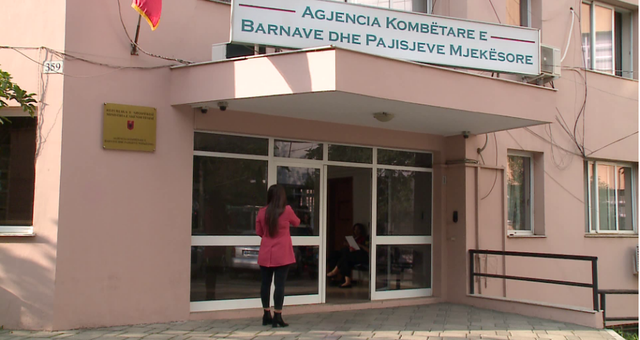
As the Albanian state aspires to join the EU, the National Agency for Medicines and Medical Devices has paved the way for the registration of an unsafe drug produced in Malta, which has been banned for use by European Union countries.
It was the European Medicines Agency that in May 2024 decided to suspend dozens of drugs from the Indian clinic Synapse Labs, including Pharmascience's Nilotinib, specifying in point 5 that the registration process should not continue for them, as the clinical information was deemed inaccurate and serious irregularities were encountered during clinical studies with unreliable data.
In order to protect the health of the population, regulatory authorities in Denmark, Spain, France and other EU countries suspended or refused the registration of this medication, after worrying doubts about its safety. But for the National Medicines Agency in Albania, the European Medicines Agency's alert was not the only one, as even laboratory analyses in the initial phase proved problematic after the application by the Albanian distributor Megapharma, owned by businessman Rasim Hamzaraj and influenced by Klodian Allajbeu.
Faced with worrying signals, the AKBPM, in violation of the law, gave the green light to Megapharma to repeat the tests, although it clearly did not meet the laboratory criteria. More specifically, according to information published by Top Channel, in June 2025, during the registration process of Nilotinib by the National Agency of Medicines and Medical Devices (AKBPM), unacceptable laboratory results were found for the series: G0404C, and G0405C, which interrupted the application.
However, in October 2025, for unclear reasons and without considering: negative laboratory results, binding decisions of the European Medicines Agency, AKBPM replaced the initial samples with other samples and re-activated the application. Here is the reason given by AKBPM, when asked by Top Channel.
"The analytical results were in accordance with the approved specifications for all parameters tested, with the exception of the dissolution parameter. It is important to note that the dissolution analysis methodology for the active substance Nilotinib is not described in the European Pharmacopoeia, so we are in the conditions of an in-house methodology developed by the manufacturer and with very high sensitivity. Given this fact, the Agency has suspended the marketing authorization procedure until this issue is clarified.
Gjithashtu AKBPM ka komunikuar me Agjencinë Hungareze, si vendi referent ku është i autorizuar dhe qarkullon ky bar. Agjencia Hungareze ka pezulluar përkohësisht lotet e barit të analizuara nga AKBPM të cilat pasi janë analizuar nga Laboratori i tyre kanë rezultuar brenda specifikimeve. Pavarësisht vendimit, është e justifikueshme të kërkohen mostra të reja për të përsëritur procedurat analitike për të 2(dy) formëdozat e sipërpërmendura”, thuhen në informacioni e AKBPM.
Akoma më shqetësues është fakti se, sipas një përgjigjeje zyrtare të AKBPM-së drejtuar Top Channel, për Nilotinib Pharmascience të përfaqësuar në Shqipëri nga Megapharma është aplikuar një trajtim lehtësues, ndërsa aplikimi për të njëjtin medikament (Nilotinib) nga kompania Zentiva është refuzuar. Ky standard i dyfishtë administrativ ngre dyshime serioze për shkelje të parimit të barazisë para ligjit dhe favorizim selektiv të interesave private.
“Laboratori i Kontrollit raportoi rezultate të ngjashme për parametrin e disolucionit të Nilotinib Zenetiva. Në vijim, kompania u njoftua për refuzimin e aplikimit. Paralelisht, për këtë çështje u informua edhe Agjencia Rumune e Barnave, e cila deri më sot nuk ka përcjellë një qëndrim zyrtar lidhur me produktin në fjalë, ndryshe nga Agjencia Hungareze e Barnave e cila ka dhënë një përgjigje zyrtare”, thuhet në dokument.
Dyshimet thellohen edhe më tej. Pasi burime të Top Channel, zbulojnë se AKBPM ka modifikuar metodën e analizës laboratorike, pasi edhe mostrat zëvendësuese nuk përmbushnin kriteret e disolucionit, test kyç për të vërtetuar se medikamenti çliron lëndën aktive në organizëm në mënyrë të sigurt dhe efektive. Ndonëse në përgjigje të kërkesës për informacion AKBPM deklaron se këto medikamente nuk janë ende të autorizuara për tregtim në Shqipëri.
Në një deklaratë zyrtare të publikuar më 30 dhjetor 2025, AKBPM deklaron se këto medikamente nuk janë ende të autorizuara për tregtim në Republikën e Shqipërisë. Por, sipas infomacioneve që Top Channel ka marrë nga Ministria e Shëndetësisë dhe Mirëqenies Sociale, Nilotinib është autorizuar për tregtim pikërisht në të njëjtën datë, duke ngritur dyshime serioze për transparencën dhe vërtetësinë e informacionit zyrtar të publikuar nga institucioni.
Interesit mediatik se përse janë mbajtur dy qëndrime të ndryshme për të njëjtin ilac të paraqitura nga operatorë të ndryshëm, dhe nëse është marr në konsiderate përfshirja e një laboratori tjetër ndërkombëtar të pavarur për të verifikuar saktësinë e analizave, morëm një përgjigje pa përgjigje.
“Sa i përket trajtimit administrativ të aplikimeve të ndryshme për të njëjtin produkt, çdo aplikim shqyrtohet në përputhje me kërkesat e Ligjit105/2014 “Për barnat dhe shërbimin farmaceutik””.
In this situation, we are left to ask questions again, this time publicly, that require urgent answers: Why have laboratory data been "facilitated", relativized or revised only for a certain company, while Zentiva's application has been rejected without any possibility of correction or equal treatment?
What is the objective, technical or legal criterion that justifies this extreme differentiation in decision-making? Are there any external contacts, influences or interests that have guided the AKBPM towards preferential treatment for Pharmascience / Megapharma? Whose interests is this institution obliged to protect: the public interest and patient safety or the interests of the pharmaceutical industry?/