Protests, violence, curfews: From France to Albania, why Europe'...
/ 2026-10-20 23:47:20Focus


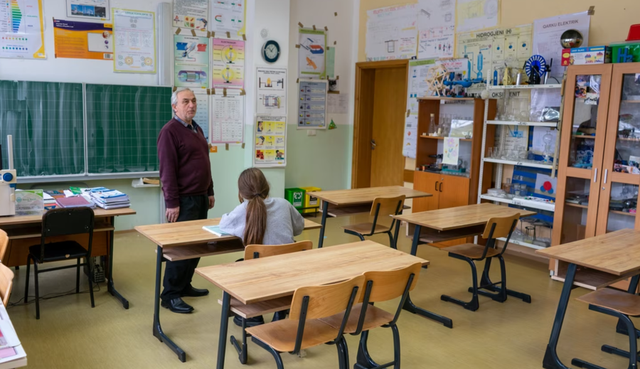
The number of students in schools is declining, due to the decrease in birth rates and immigration, but after the pandemic, the phenomenon is worsening.
In the 2024-2025 school year, the number of students enrolled in 9-year education was 250.6 thousand.

Official INSTAT data show that for the period 2020-2025, the total number of students enrolled at all levels has decreased by around 61 thousand, which constitutes a contraction of 10%.
Meanwhile, during the decade from 2015 to January 1, 2025, the number of students in pre-university education fell by over 31%, or 112 thousand fewer.
At the lowest levels of education, namely kindergartens, the number of registered children has decreased by 8%, going from 71,332 in 2020 to 65,914 children in the last year.
This phenomenon is indicative of a strong demographic transition with the decrease in birth rates below 1.5 children per woman in the last decade, compared to the 1990s, where this indicator was over three children per woman.
Primary education and the upper cycle of basic education (grades 5-9) have suffered the most pronounced contraction.
In primary schools, the number of students has decreased by 14% between 2020 and 2025, while in the upper cycle of basic education, the reduction is 11%, reflecting high emigration of families, in addition to the decline in births.
The situation becomes even more worrying in secondary education, where the number of students has decreased by 17% in the period in question.
During these years, enrollment in high schools and vocational schools has decreased by 19%, reflecting the emigration of young people.
Vocational education has also marked a decrease of 11%, but this is less compared to high schools.
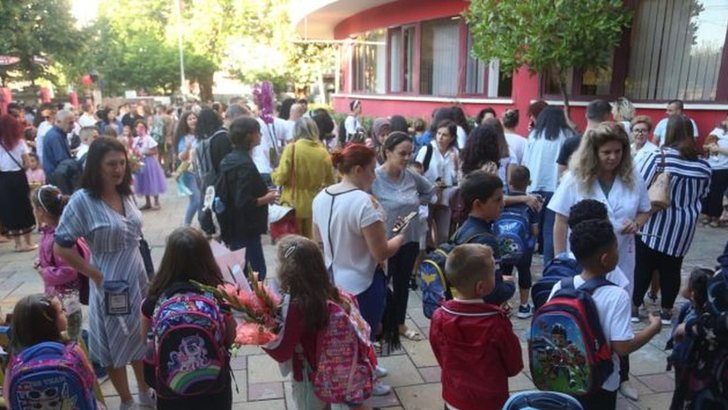
The return to school this year is coming amid strong contrasts, with demographic momentum leading to the closure of many schools in rural areas.
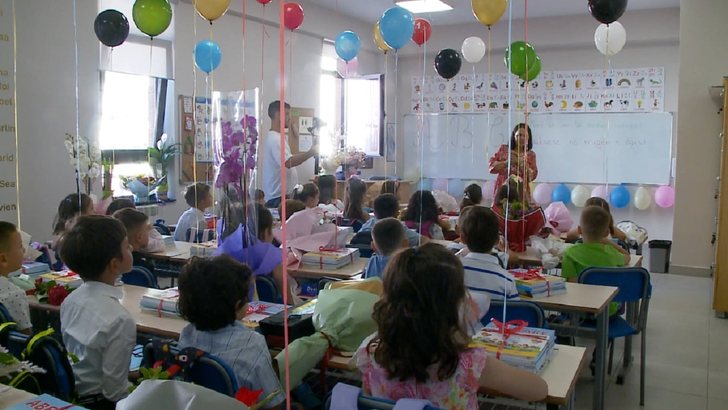
The decline in the number of students has also challenged large cities, where the number of parallel classes is decreasing year after year.
On the other hand, Artificial Intelligence is transforming learning.
Students seem to be ahead of teachers in this regard, as Generation "Z" has an advantage in knowledge of technology and is using AI for lessons and homework, on the other hand, the army of teachers, who are mostly over 45 years old, are unable to keep up.
While in Tirana, technological infrastructure enables access to technology, in the small and remote municipalities of the country, learning is still done using primitive methods, in collective classrooms, without internet, without laboratories, etc.
Demographic and economic developments are increasingly increasing inequalities in education, making it impossible for the poorest students and those in remote areas of the country to develop their talents.
Education systems are rapidly being transformed by the decline in students, but education policies are not translating the emptying of schools into greater achievement for those who remain.