Details of the storm in the administration, here's who will resi...
/ 2026-10-22 22:25:00Focus


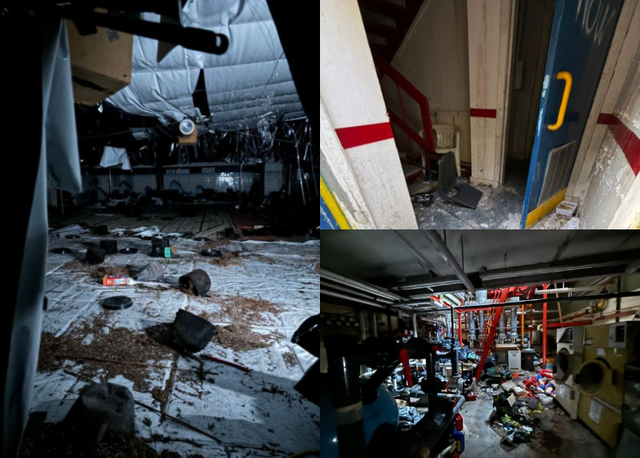
An abandoned public bath in Forfar is an example of how Balkan gangs are producing illegal narcotics by exploiting trafficked youth in the UK.
One of the "greenhouses" was discovered last summer, somewhere in the back alleys of a quiet Scottish town by a cat.

"She smelled like cannabis," the pet owner said.
Since she thought that something big and illegal was happening very close to her apartment, she informed the Police.
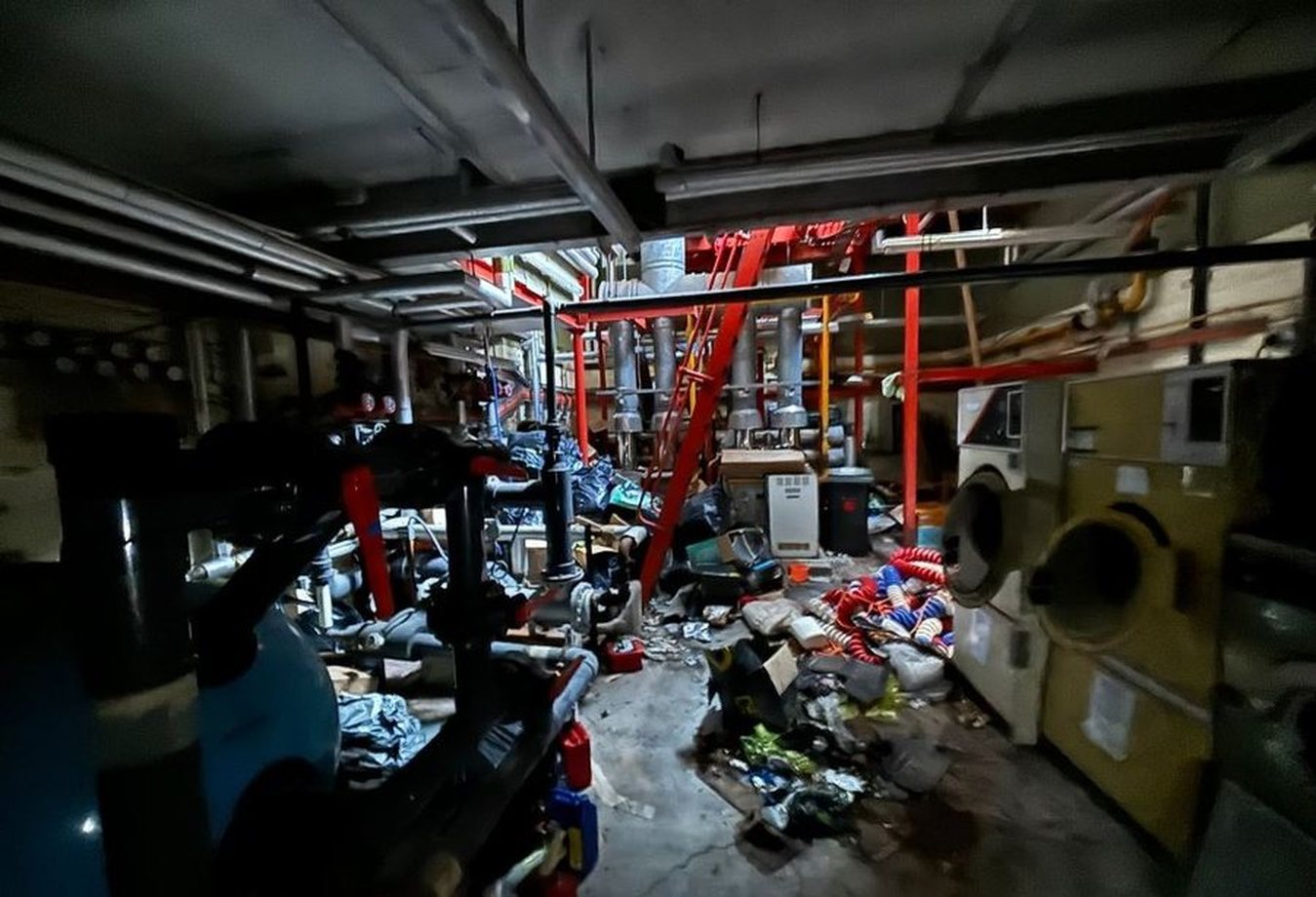
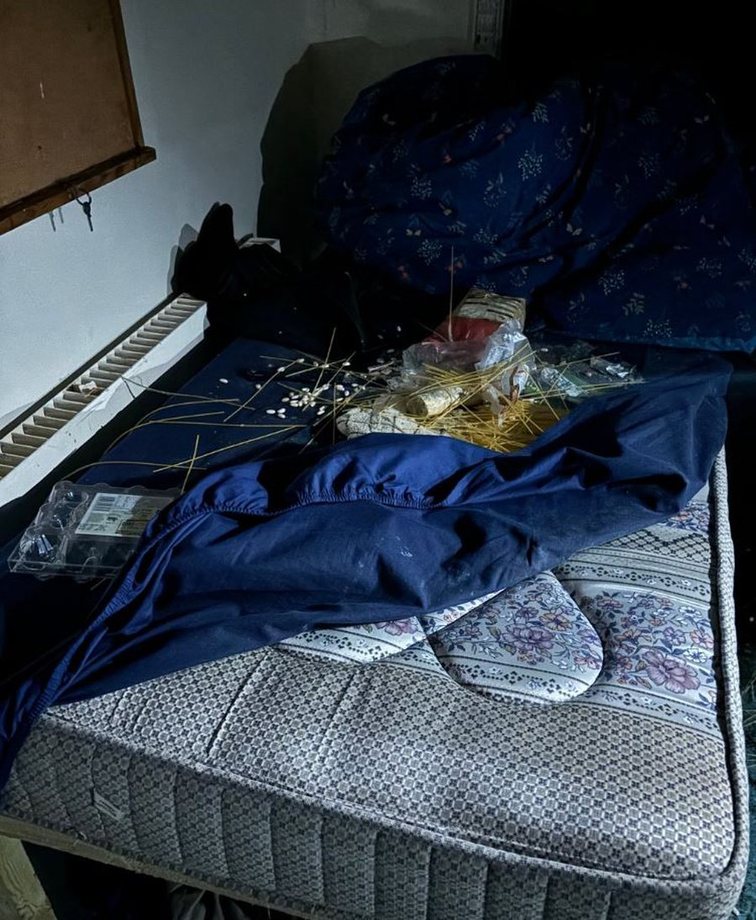
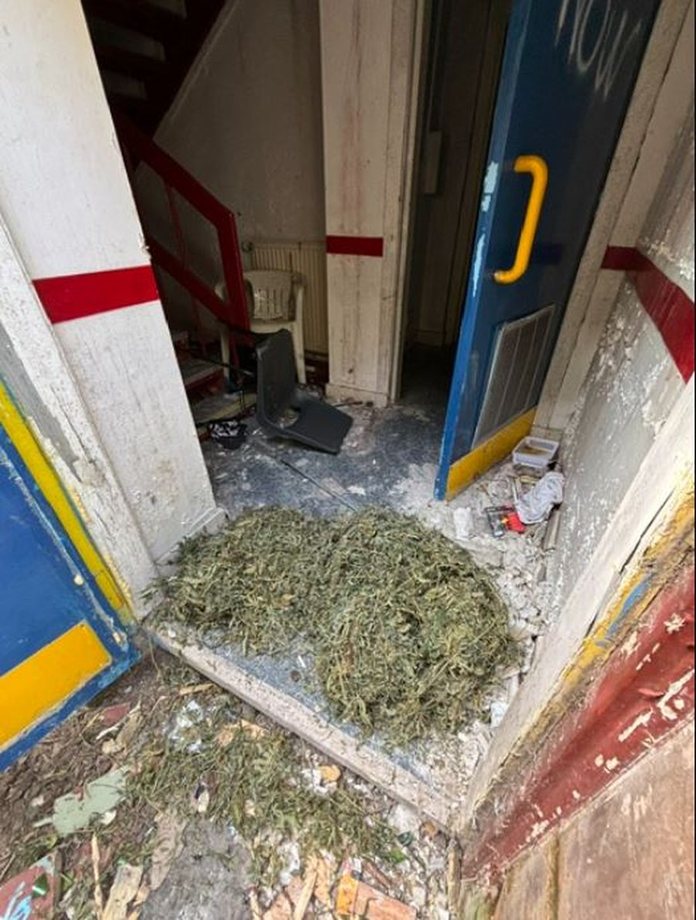
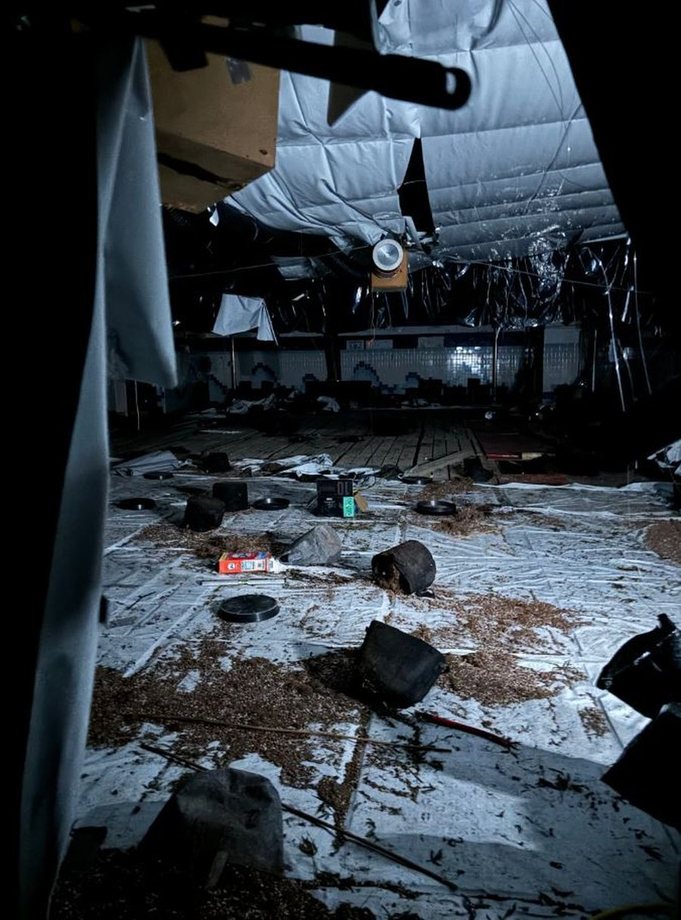
Nearby, in what used to be the city's public bathhouse, that's where officers discovered a drug farm.
In several makeshift floors inside the buildings, they found around 250 cannabis plants, worth up to £187,000, and caught two people looking after them.
Hajri Musa, 39, and Gerald Daci, 21 — were jailed for three years. Their farm was neither the first nor the largest to be discovered.
So far this year, Police Scotland has raided at least 14 sites where cannabis was grown. The total value of the drugs is estimated to be close to £10 million. Most, if not all, are the "works" of gangsters coming from the Western Balkans region, but also many Albanians.
But how did the criminals of a relatively small Adriatic nation end up breaking into the drug market?
It is 12 years since a detective Stevie Whitelock of the Scottish Crime and Drug Enforcement Agency first warned that this "dangerous" organized crime group had reached Scotland. He spoke of a group he referred to as the "Western Balkans", a term that in theory refers to Serbia, Kosovo, Montenegro and North Macedonia, as well as Albania. But something has changed! Albanian-speaking criminal groups have diversified from importing drugs to producing them in Great Britain. And they have done so by exploiting young people who traffic into Britain, sometimes in small boats crossing the English Channel.
The police are worried. They have been dealing with clandestine plantations for years, including, relatively recently, groups run by Far Eastern, Vietnamese or Chinese gangs. But the cannabis business continues to grow.
Detective Whitelock said he did not believe the general public understood the full extent of these drug operations because they did not know "who was involved" or the dangers they posed.
The detective has another concern: that consumers should think about who they are buying from.
"There is a perception that it is only cannabis, it is not a hard drug and that it is a victimless crime. Absolutely it is not. It has to do with money laundering, human trafficking."
But how do Scotland's local gang leaders feel about outsiders operating on their turf?
Many of the new large cannabis farms appear to be a long way from the strongholds of Scottish organized crime based in Glasgow or Edinburgh.
But has there been any violent confrontation between newcomers and locals? Ray Birnie, a detective superintendent for Police Scotland based in Dundee said: Maybe.
Could it be that the market is big and everyone has a part? Can the foreign gangs force the locals to retail their products?
Ruggero Scaturro, analyst at the Global Initiative against Transnational Organized Crime, emphasized that Albanian-speaking gangs can be very flexible.
Scaturro also highlighted how Albanian criminals were usually willing to work alongside other organizations for common goals.
"Despite their reputation as particularly violent and aggressive, Albanian criminal networks have always been quite service-oriented, always putting profit at the top of every agenda. Albanian gangsters create and exploit the diaspora in Western Europe. This is how the mafia managed to operate outside the Western Balkans, while the money is "cleaned" at home," he said.
As an example, Scaturro took Tirana.
"The skyline of Tirana, the Albanian capital, is being transformed by dirty money. You see big hotels and apartments popping up in a few months.
The problem is that these are extremely expensive and most of the population cannot afford to live there.
So, as a result, you have a city filled with completed but uninhabited buildings… a scenario that suggests something is wrong.”/ The Times