How Belinda Balluku is fabricating the rumor about Top Channel's...
/ 2026-10-19 16:19:00Focus


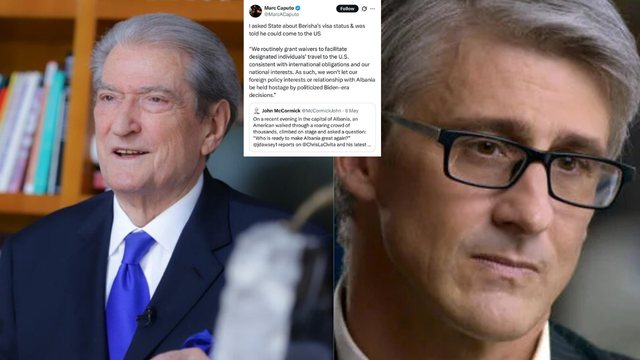
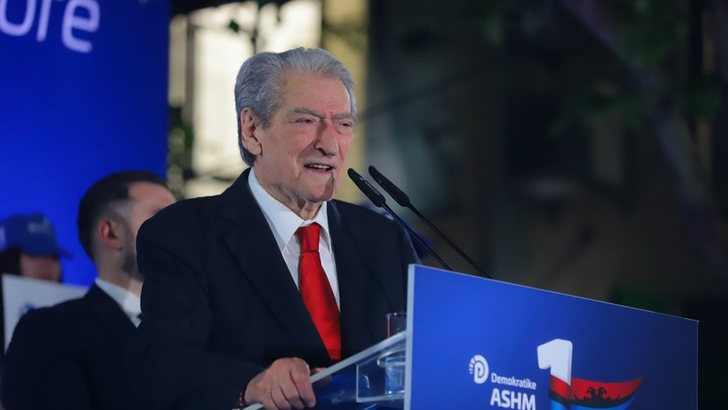
On the eve of the May 11 general elections, the debate over Sali Berisha's "non grata" status in the US has returned to the spotlight, this time following a Twitter post by American journalist Mark Caputo.
Caputo claims to have communicated with a representative of the US State Department and received a response that suggests that, in some cases, Berisha's trip to the US is not completely ruled out. He did not publish names, official titles or documents to support this claim. His comment was widely shared on social media and Albanian media, sparking discussion about the validity and timing of this statement.
This comes at a time when the Democratic Party has signed a $6 million lobbying contract with American political strategist Chris LaCivita, a well-known name in conservative campaigns in the US. The goal: to influence the review of Berisha's status by American institutions.
The questions that arise are:
• Does Caputo's statement constitute a real institutional communication, or a personal interpretation?
• Has the US position regarding Berisha changed?
• And if so, what impact could such a development have at this stage of the campaign?
In the past, figures declared “non grata” by the US — such as Nicolás Maduro or Robert Mugabe — have been allowed to travel for special reasons, such as attending the UN General Assembly. But these are limited cases and closely tied to international protocols, not bilateral political commitments.
So far, there has been no official confirmation from the US State Department.
On the eve of a national decision, where words weigh as much as actions, it remains to be seen whether this is a real political signal or a last-minute attempt to change the narrative. But one thing is clear:
"Non grata" status is not resolved with a Twitter status. And a question worth 6 million dollars deserves an answer that is more than half-spoken./ Top Channel