Details of the storm in the administration, here's who will resi...
/ 2026-10-22 22:25:00Focus


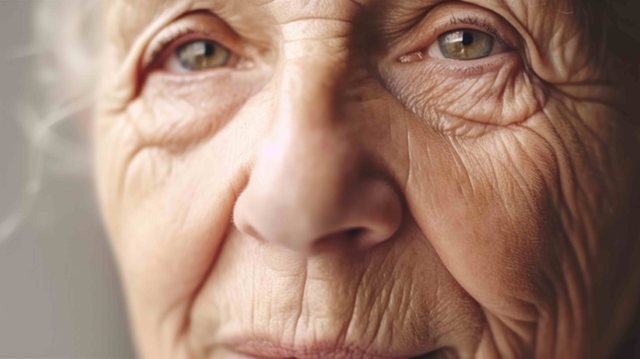
What does it mean to be old? There really isn't a single answer to this question, as it depends on many subjective elements. While some people who are not over 40 consider themselves old, either because of their physical condition or lifestyle, there are many older people who refuse to accept this label.
The perception of old age varies significantly between individuals and cultures. For some, old age may be associated with retirement, physical decline, or decline in social activity. For others, it is a period of new opportunities and personal growth, where experience and accumulated wisdom are key. This diversity in perception shows that old age is not simply a matter of age, but a social and personal perception.
Additionally, factors such as health, environment and personal expectations influence how aging is experienced and perceived. While some may feel as if they have aged as they face physical limitations or illness, others continue to pursue new goals and maintain a youthful demeanor regardless of their age. In this sense, old age is a subjective and multiple concept that varies from person to person, challenging the strict definitions and stereotypes associated with old age.
Science, in various studies, has always tried to determine if there is an exact age at which old age begins. In this case, the Stanford University School of Medicine, located in California and considered one of the best universities in the world, has conducted a study in which they divide the aging process into three stages.
First, adulthood (ages 34 to 60), then late age (ages 60 to 78), and finally, old age, which officially begins at age 78. Blood proteins are the protagonists of the study, which revealed their crucial role in aging. By analyzing protein levels in more than 4,000 participants, the researchers identified how these molecules affect different aspects of aging, providing new insights into health and longevity.
What does WHO think? The World Health Organization (WHO) states that molecular and cellular damage accumulated over time causes a gradual deterioration of physical and mental abilities, that is, aging. This stage brings with it an increased risk of disease and eventually death.
However, this institution has a different opinion from Stanford University regarding the age at which a person can begin to be considered elderly. According to the WHO, old age begins at the age of 74.