Is this police force professional and capable of handling violen...
/ 2026-10-16 18:54:07Focus


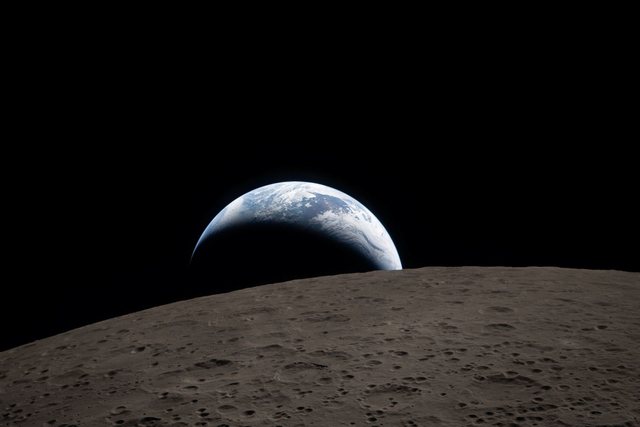
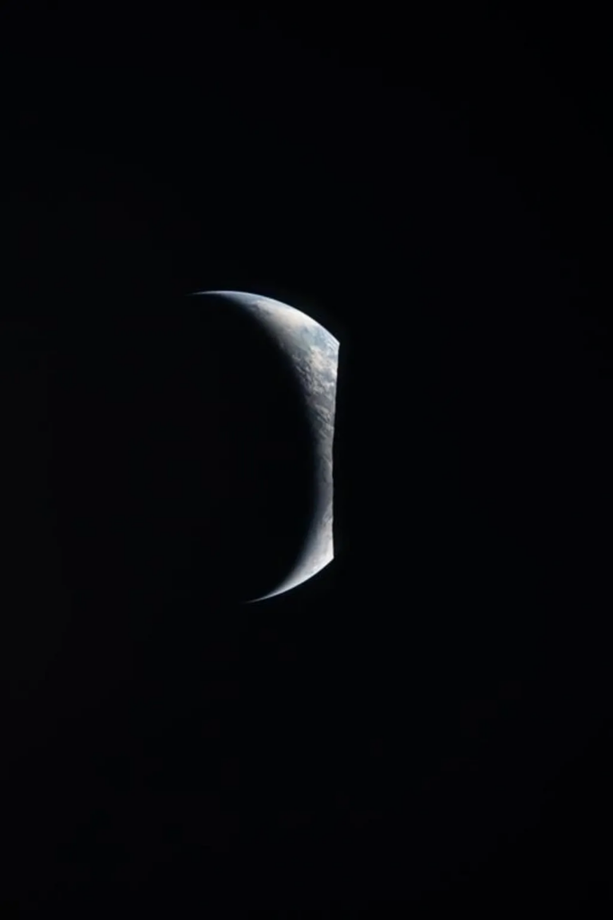
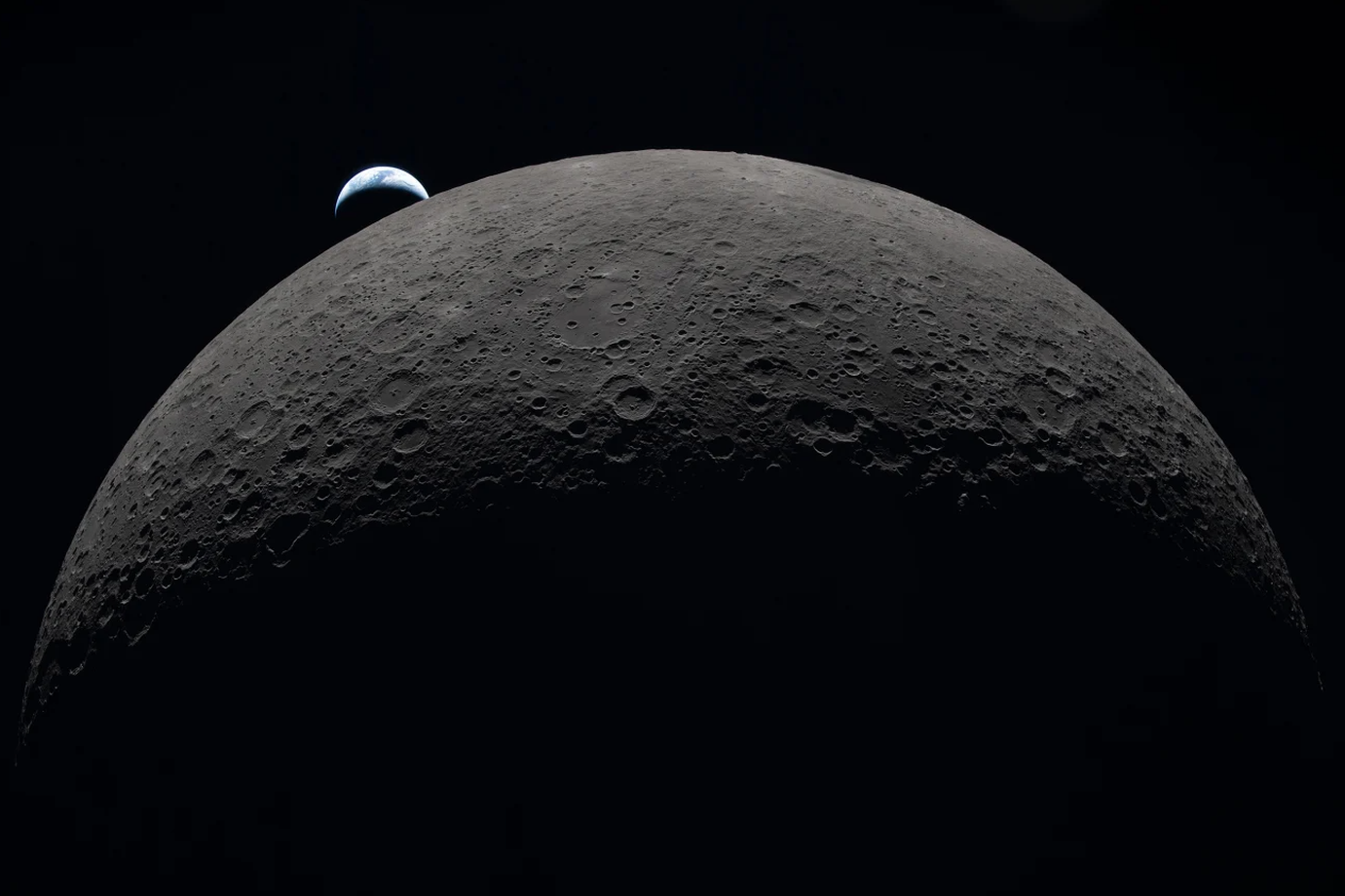
The US space agency, NASA, has stunned the world by releasing the first images taken by the Artemis II astronauts during their historic flyby of the Moon. The set of images begins with a spectacular “Earthset,” where our planet appears against a lunar landscape dominated by numerous craters, offering a breathtaking view.
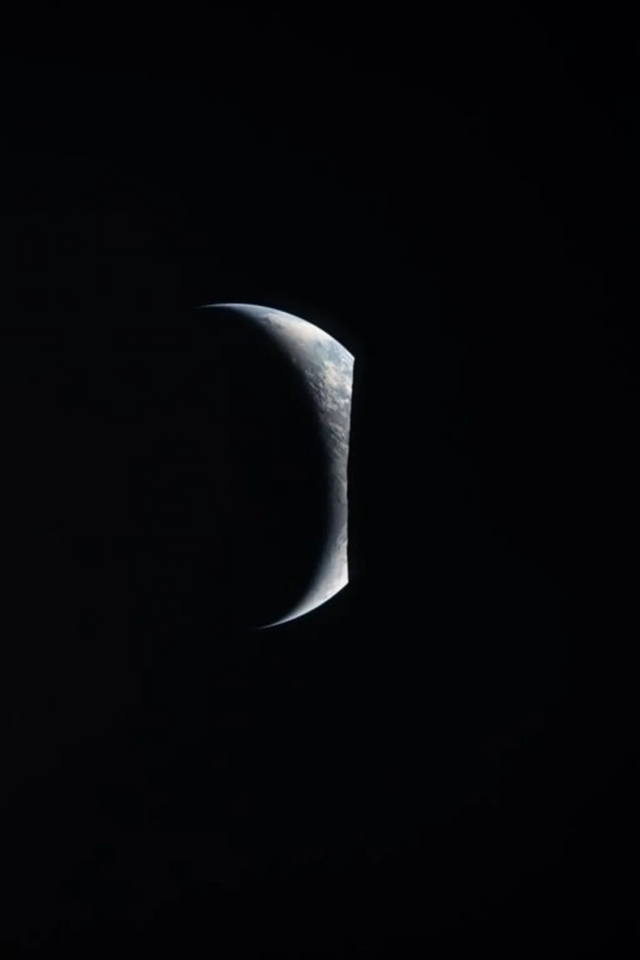
Although NASA has not specified which crew member took these shots while they were on their return journey, the “Earthset” photo brings to mind the iconic “Earthrise” image of 1968, captured by Bill Anders during the Apollo 8 mission. This view of a blue and fragile planet against the endless darkness of space continues to be considered one of the most powerful environmental testimonies in human history.
During a six-hour flight near the lunar surface, the crew also experienced moments of total isolation, including a period of radio silence when the Orion capsule was on the far side of the Moon. According to the official announcement, the first photo was taken through the ship's window on Monday at 6:41 p.m. Eastern Time.
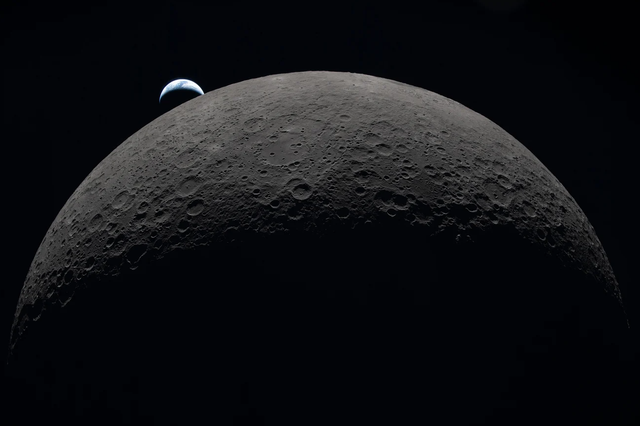
In this image, the dark side of Earth is immersed in night, while on the illuminated side, dense clouds are clearly visible over the Australia and Oceania region. In the foreground, Ohm Crater stands out with its stepped edges and central peak, a geological phenomenon that forms when the lunar surface is liquefied by impact and rises up during the cooling process.
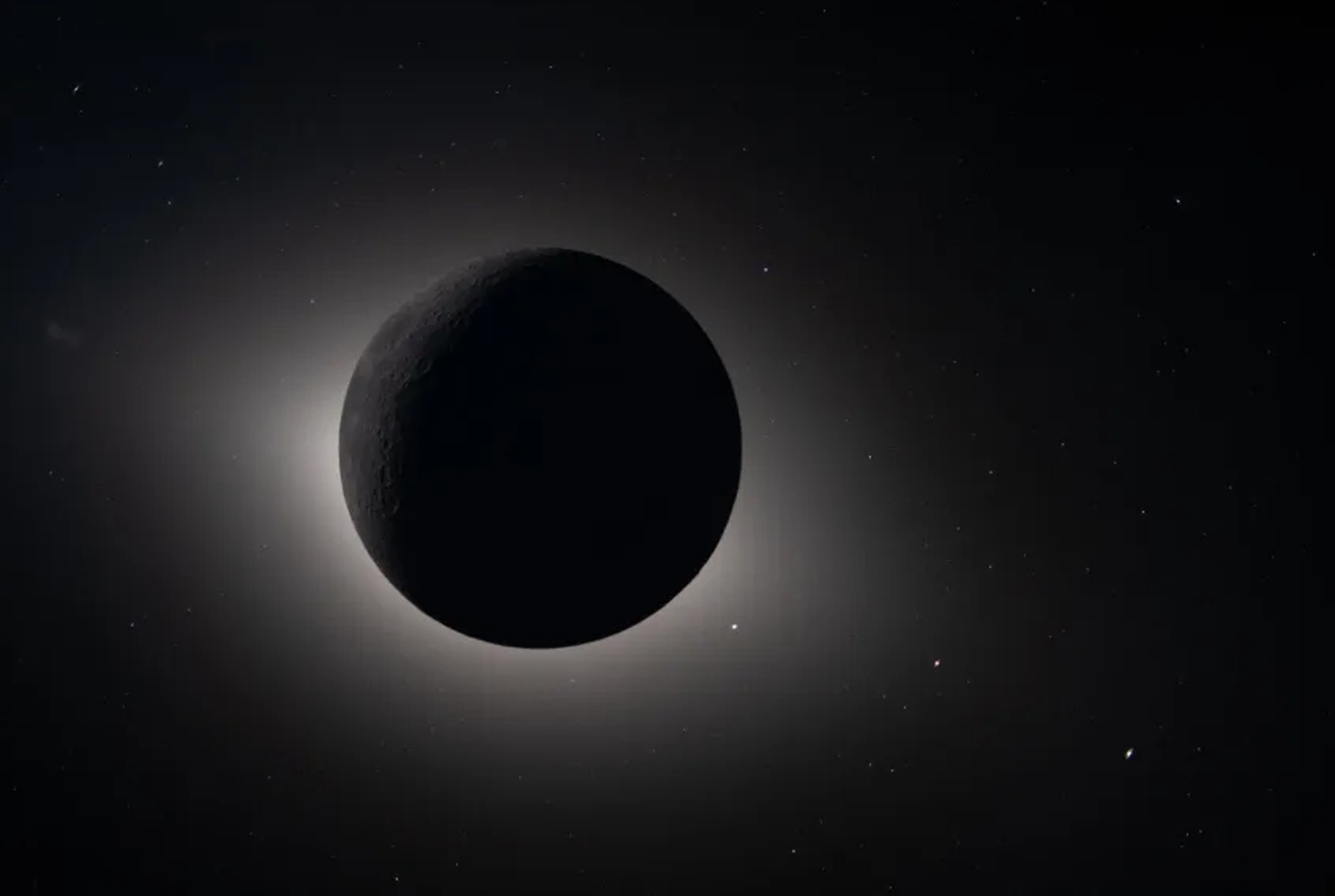
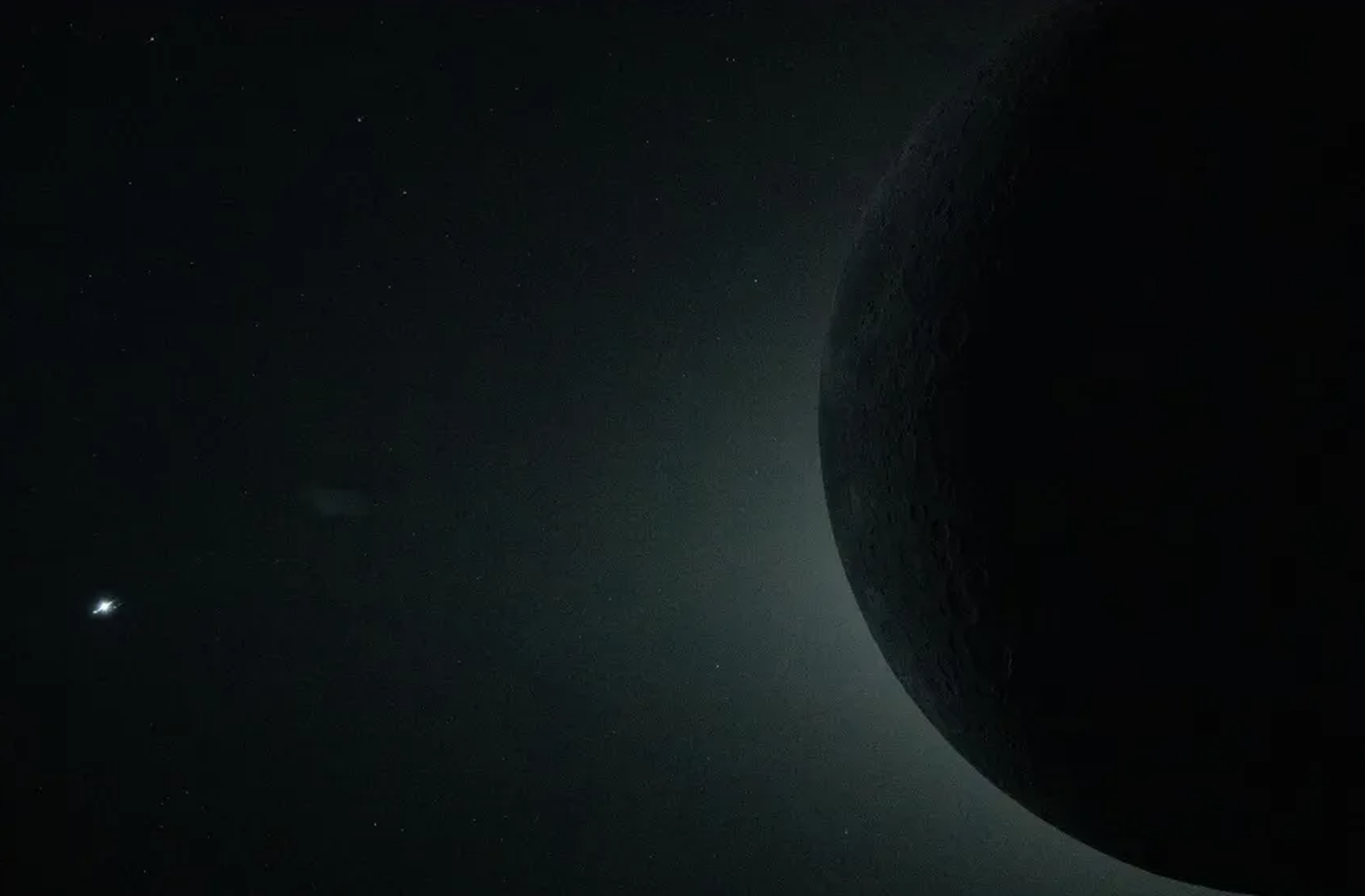
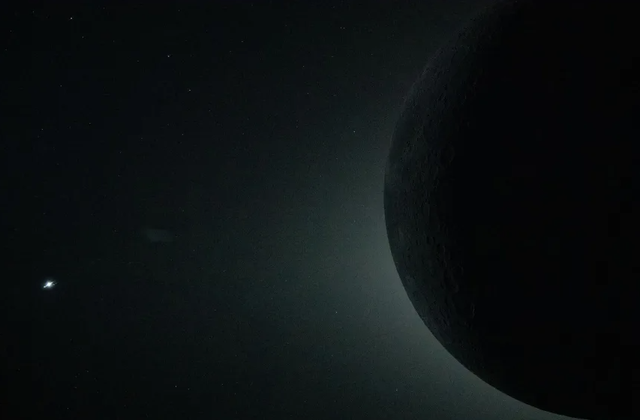
Another highlight of the trip was experiencing an extraordinary solar eclipse, where the Moon completely covered the Sun. Unlike eclipses we see from Earth, which last only a few minutes, the proximity of the Orion spacecraft meant that the astronauts enjoyed about 54 minutes of totality.
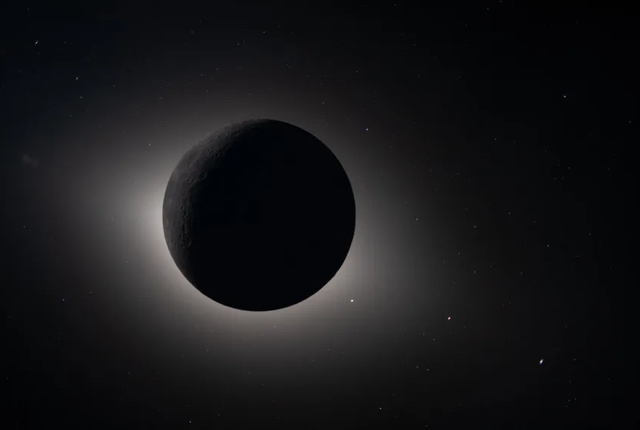
In the released images, the Sun's corona appears as a bright halo around the dark edge of the Moon, while the bright dot on the left side of the frame is the planet Venus. Astronaut Victor Glover described the experience as "unreal" and similar to scenes from science fiction films, noting the stark contrast between the extremely bright Earth and the Moon hovering in front of them.
Beyond its aesthetic value, this mission marks an important step as it is the first time in more than five decades that human eyes have directly seen the far side of the Moon, since the end of the Apollo era in 1972. Although satellite technology has provided numerous images over the years, NASA emphasized that naked-eye observation remains invaluable for science.
For this reason, the crew recorded detailed audio descriptions of everything they saw, notes that will be carefully analyzed by scientists to extract new information. The documentary concludes with another image from “Earthrise,” capturing the emotional moment when our planet reappears on the astronauts’ horizon after they emerge from the dark side of our natural satellite.