Is this police force professional and capable of handling violen...
/ 2026-10-16 18:54:07Focus


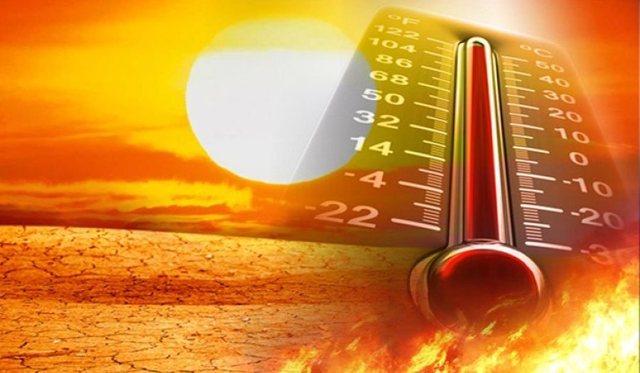
Last month was the second hottest global July on record, ending a 13-month streak of record global temperatures, the European Union's Climate Change Service, Copernicus, said.
Each month from June 2023 was consecutively ranked as the planet's warmest since records began in 1940, compared to the corresponding month in previous years.
Temperatures in July were 1.48 degrees Celsius above the pre-industrial average, Copernicus said, while the average temperature over the past 12 months was 1.64 degrees Celsius above the pre-industrial era due to climate change, with July marking the two hottest days on record. sometimes.
Copernicus said the high temperatures were mainly caused by greenhouse gas emissions and noted that oceans not normally affected by El Nino experienced an unusual rise in temperatures. Despite the end of the record period, ocean surface temperatures remained unusually high in many areas.
However, the end of this record cycle did not signal the end of the powerful effects of climate change. Experts say that high temperatures are still expected that will cause heat waves.