Protests, violence, curfews: From France to Albania, why Europe'...
/ 2026-10-20 23:47:20Focus


Marta Serafini - Corriere della Sera
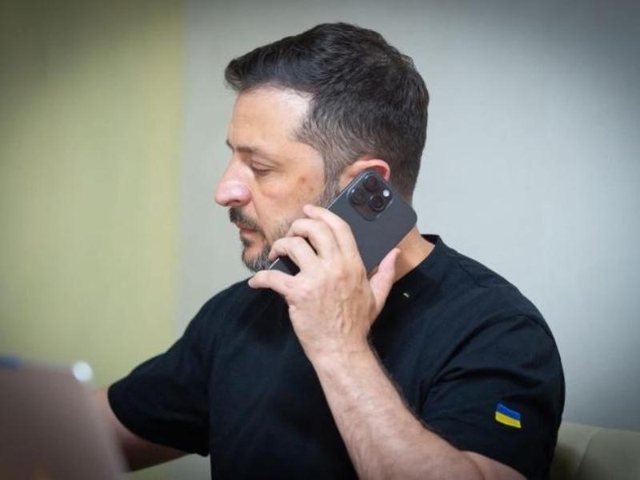
“Zelensky is not only worried by the possibility of a peace settlement established behind closed doors without Ukraine’s participation. He is also under pressure from Russia’s attempts to exploit the issue of the fight against corruption,” a source within the Ukrainian government told the Corriere della Sera newspaper, speaking on condition of anonymity.
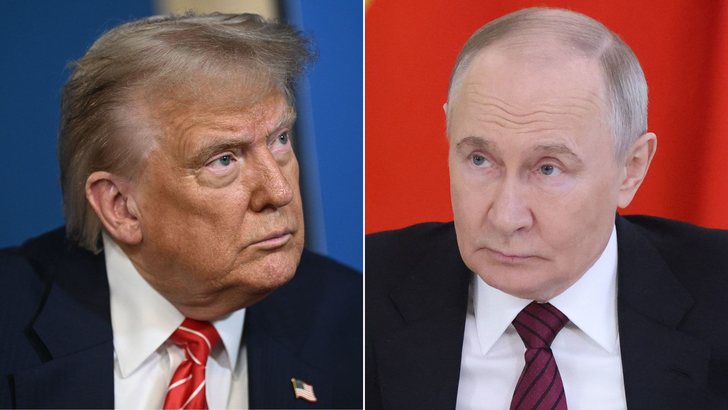
The main concern is that Donald Trump may aim for a quick resolution of the war by offering Putin territorial concessions, legitimizing the illegal annexation of Crimea and the occupation of large parts of the Donetsk, Lugansk, Kherson and Zaporizhzhia regions. According to recent polls, the percentage of Ukrainians who are willing to give up territory in exchange for peace has increased to 69% (from 52% last year according to Gallup), but only 17% (according to another poll by the Kiev International Institute of Sociology) are ready to do so without clear guarantees, as President Zelensky himself stated.
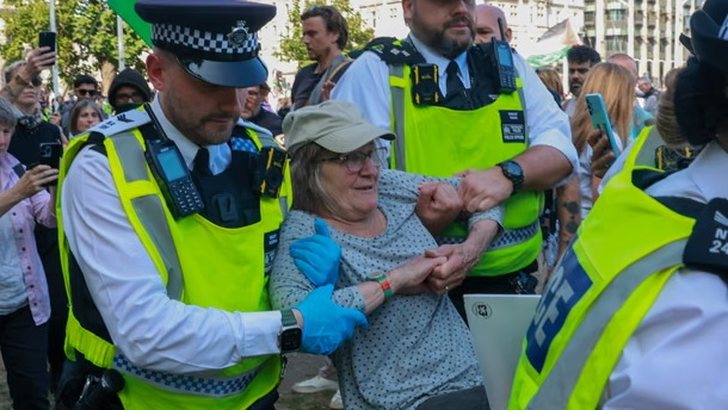
“This is probably one of the most difficult moments since the beginning of the war,” the source continues. Zelensky knows well that thousands of soldiers and civilians, after ten years of war in the Donbas, would never admit that the blood shed was in vain. But he is also aware of the great fatigue that the Ukrainian people are experiencing after three and a half years of war. “The recent protests in the squares, caused by attempts to further centralize power and limit anti-corruption agencies, can only be a warning of a new Maidan,” said a Ukrainian soldier from the front in Sumy.
Meanwhile, the Azov battalion has launched a vigorous recruitment campaign, accompanied by messages of victory at all costs. One of the online advertisements shows a customer complaining to a mechanic that his son is at the front, to which the latter replies: “Yes, but my daughter was drafted into Azov.” Almost every wall in Ukrainian cities is covered with large posters extolling the “heroes” of the siege of Mariupol.
The question now is: will the country's supreme commander (the one who united the nation) be able to make the population, mainly young and nationalistic, accept an unjust peace? On the other hand, the anger of young people facing forced conscription is increasing tension in the country, which is also being exploited by Russian propaganda, which has turned attacks on recruitment centers into a full-fledged campaign.
Recently, an attack in the Mykolaiv region and protests in Vynnytsia have attracted the attention of the SBU, Ukraine's powerful intelligence service.
Western intelligence reports reiterate that Putin's war objectives are not just territorial. His goal is to overthrow the democratically elected government in Ukraine and replace it with a pro-Russian puppet regime, weaken the Ukrainian military to prevent it from defending itself against future attacks, halt NATO's open door policy, and force changes to the Ukrainian constitution to eliminate its pro-Western bias.
The government in Kiev has so far avoided the possibility of new elections, relying on martial law that bans voting during wartime. However, accusations of power concentration by Zelensky and his chief of staff, Andriy Yermak, have increased, while support for the president has fallen from 65% to 58% in a month.
Asked if he thinks the time of the former comedian turned commander-in-chief is over, Ukrainian historian Yaroslav Hrytsak answers Corriere like most of his compatriots:
“It's still too early to tell. There's still a lot of water to flow under the bridges of the Dnipro.” And, along with the water… a lot of blood.