Protests, violence, curfews: From France to Albania, why Europe'...
/ 2026-10-20 23:47:20Focus


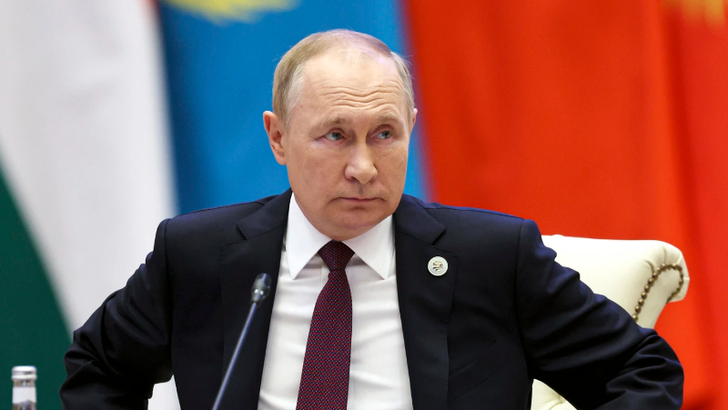
According to unofficial sources, at the summit expected to be held in mid-August between Russian President Vladimir Putin and Donald Trump, Moscow will formalize demands for international recognition of Russian control over the eastern regions of Ukraine. The demands include the full annexation of Donetsk, where Russia currently controls about two-thirds of the territory, and Lugansk, which is almost entirely under occupation. Meanwhile, the borders in the southern regions of Zaporizhzhia and Kherson are expected to remain on the current front line.
In previous negotiations, Russia had claimed full annexation of these regions, which were declared part of it through controversial referendums in the fall of 2022. Moscow will also seek recognition of sovereignty over Crimea, annexed in 2014. If these demands were met, Russia would take control of approximately one-fifth of Ukraine's official territory.
These moves reflect a new reality on the battlefield, where the fighting has hardened into a bloody status quo. Russian forces have failed to make major advances, but have inflicted significant losses on Ukrainian ranks, with Kiev struggling to replace the fallen with new recruits. Russian strategy has shifted from large-scale offensives to a series of small but sustained attacks targeting the weakest points of Ukrainian defenses.
Despite tactical superiority in some sectors, analysts do not believe that Russia will be able to take control of all of Donetsk by summer. Advances have been slow in July, with Russia occupying about 564 square kilometers, a similar figure to the previous month and higher than in May. By November 2024, the Russian army had made a significant increase, taking a record 730 square kilometers since the spring of 2022.
Currently, Ukraine holds a more favorable position only in the Sumy region, where the Russian advance has been stopped by elite Ukrainian brigades. The “protective cordon” declared by the Kremlin in this area is fragile, raising suspicions that this was a maneuver to pull Ukrainian troops away from Donbass, Russia’s main strategic objective.
A critical situation is developing in Pokrovsk, a strategic city in Donetsk, which is almost surrounded. Russian units are attacking from Soviet-era concrete buildings converted into fortifications. The fate of the city could seriously affect the lines of communication and defense in the region, including the key city of Kramatorsk. There are fears that a Russian breakthrough in Pokrovsk would give Putin a symbolic victory to show at the summit with Trump.
Meanwhile, Russia is exerting increasing pressure in the Dnipropetrovsk region and on the border between Kharkiv and Lugansk. Particular attention is also being paid to the southern front, in Zaporizhzhia and Kherson. However, a major offensive in Kherson would require crossing the Dnipro River, exposing troops to Ukrainian artillery fire. Even in Zaporizhzhia, where the open terrain is favorable for tanks, Ukrainian forces have built an extensive system of defensive bunkers.
A Russian offensive in this sector could put serious pressure on the Kiev command, which already faces three active fronts located over 300 kilometers apart.
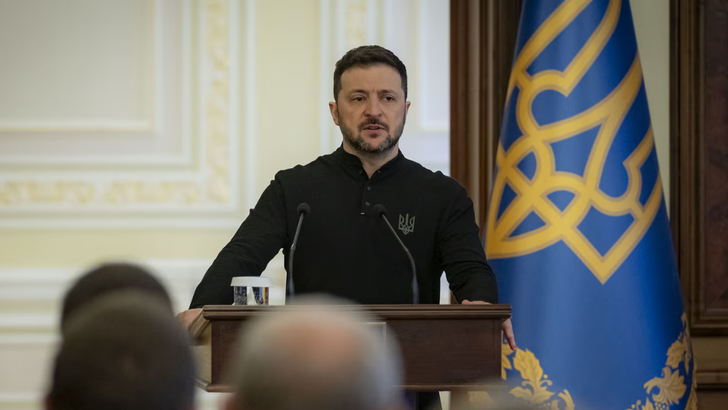
While Moscow continues to mobilize volunteers and maintain its armored forces for possible surprise operations, Ukraine faces a severe shortage of human resources and military aid. Support from the United States has shrunk significantly, while European countries are failing to make up for this deficit. However, Kiev shows no signs of surrender. There is speculation that it may be preparing for a new attack on Russian territory similar to the operation at Kursk last year to demonstrate the will for continued resistance.