Is this police force professional and capable of handling violen...
/ 2026-10-16 18:54:07Focus


Leaders from around the world, including French President Emmanuel Macron, German Chancellor Friedrich Merz, and British Prime Minister Keir Starmer, gathered in Munich for the Munich Security Conference, Europe's largest meeting on defense and security issues.
The question dominating the table: is America still a strong ally of Europe?
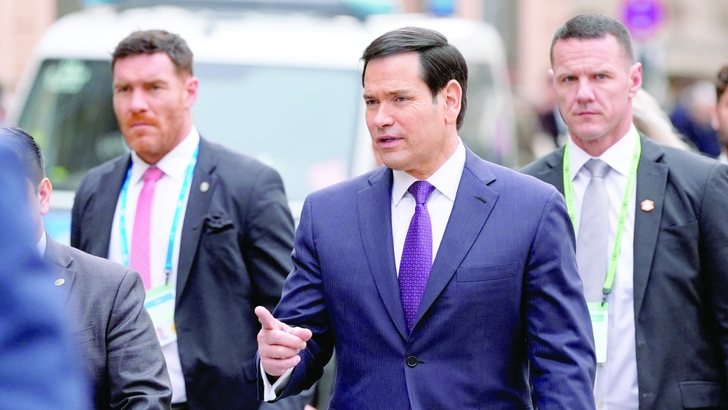
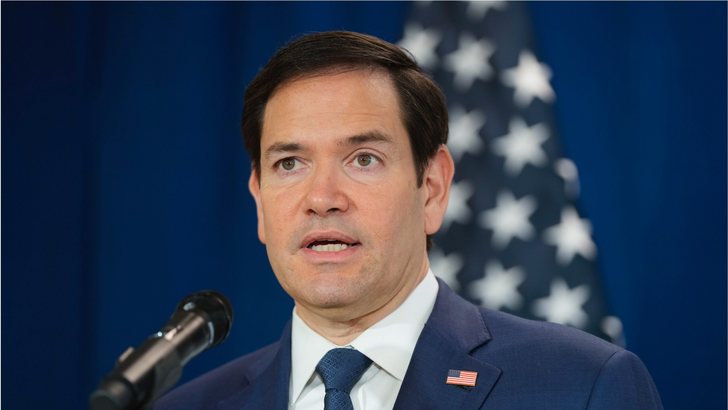
The most anticipated speech was that of US Secretary of State Marco Rubio. It was expected to be seen whether he would repeat the harsh criticism made earlier by Vice President JD Vance towards European countries, or whether he would take a softer stance.
At first, his speech seemed critical. He attacked free trade, mass immigration and environmental policies, saying some of them were hurting the American economy. He also criticized the UN, accusing it of failing to stop the wars in Gaza and Ukraine.
But then, Rubio emphasized that the fate of America and Europe is closely linked and that the transatlantic connection has not ended and should not end.
He said the US would remain connected to Europe. He praised its culture, mentioning famous figures in art and music.
However, he added that America does not intend to stand as a mere observer of the weakening of the West.
The reaction in the room was generally good; about half of the audience stood up to greet him. There was a sense of relief, after the tensions of recent months, including the imposition of tariffs and the debates over Greenland.
The European Union's high representative for foreign policy, Kaja Kallas, said the message was encouraging and that Europe remains important to the U.S. However, she acknowledged that there are still differences in some positions.
Meanwhile, many European officials express dissatisfaction that President Donald Trump is not putting more pressure on Russia to end the war in Ukraine, which is entering its 5th year.