"The fate of the homeland is in our hands" - An appeal by Ismail...
/ 2026-10-18 16:09:54Focus


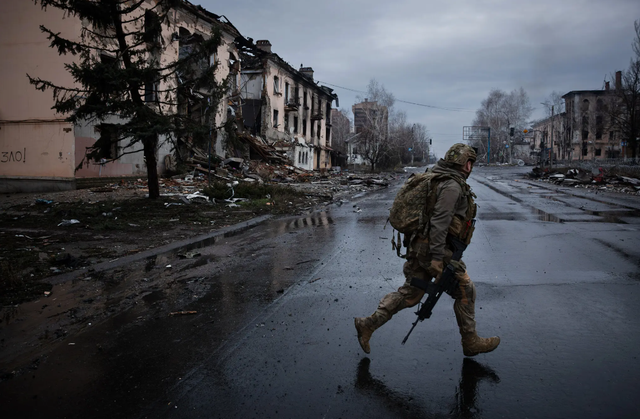
On June 11, Europe crossed a symbolic and grim threshold. The war in Ukraine lasted longer than World War I.
What in February 2022 seemed like an operation that the Kremlin thought would be concluded within a few days has turned into one of the longest and most destructive conflicts in the continent's modern history.
In an analysis published by The Economist, the British magazine notes the historical irony of a war that began with the expectation of a quick Russian victory, but which has today lasted longer than the conflict that engulfed Europe between 1914 and 1918.
The similarities are numerous. Like a century ago, soldiers set out with promises of quick victories and triumphal parades, but ended up in grueling battles, frozen fronts, and a war of attrition.
Instead of the tanks, mustard gas, and machine guns of World War I, this time it is drones that are transforming the nature of conflict.
But according to The Economist, the biggest challenge is no longer war, but peace.
The magazine warns that the 1919 Treaty of Versailles remains a reminder that the end of a conflict does not necessarily guarantee a lasting order. On the contrary, a poorly managed peace can sow the seeds of a new war.
In this sense, Ukraine's allies have so far succeeded in helping Kiev not lose the war. The next challenge will be to help it win the peace.
Despite some developments that have improved Ukraine's position in recent months, serious negotiations remain far from over. Kiev claims that Russia continues to pay a high price on the front, while Ukrainian drone attacks are reaching ever deeper into Russian territory.
At the same time, the European Union is preparing to disburse a €90 billion loan to Ukraine, keeping financial support steady at a time when American commitment has become more ambiguous.
However, Vladimir Putin continues to reject demands for direct negotiations.
According to The Economist, when the moment of ceasefire comes, it will not resemble the complete capitulations that have marked the end of other historical conflicts. Russia will not be completely defeated and is not expected to face reparations or major international trials.
Peace, the magazine argues, will be imperfect, filled with compromises that will satisfy neither side.
But one lesson remains valid today, a century after Versailles: the desire for punishment cannot be an end in itself.
"Putin's regime bears responsibility for the war and its crimes. But one day, hopefully soon, it can also be a partner in building peace," The Economist concludes.