"The fate of the homeland is in our hands" - An appeal by Ismail...
/ 2026-10-18 16:09:54Focus


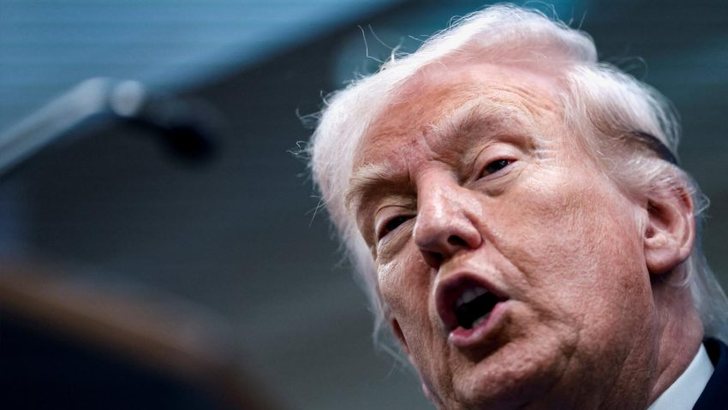
As the story of the US-Iran war is being written live on social media, Donald Trump may be the genre's least reliable narrator.
Since the start of the war, Trump has repeatedly threatened Iran with dire consequences if Tehran does not sit down at the negotiating table and sign a peace deal, which the US president had been touting as imminent for weeks. At the same time, he has repeatedly stated that a deal with Iran is “very close,” without producing any concrete results. According to a CNN count, Trump has repeated this claim 38 times.
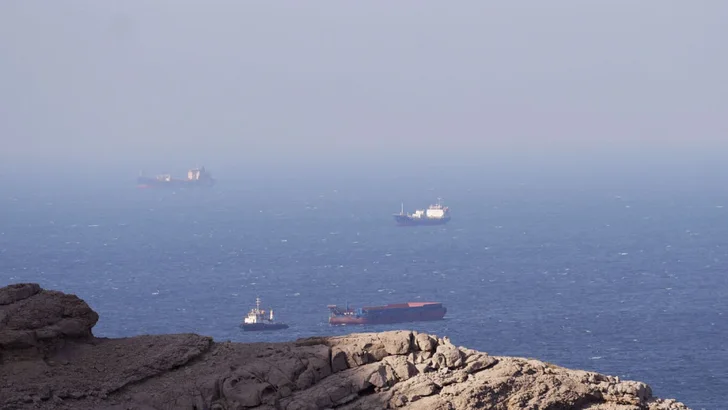
This comes as the US has already declared a "complete victory" in the conflict and Trump has attacked journalists who have questioned the wisdom of military intervention, especially in the context where the Strait of Hormuz continues to remain closed to more than 20% of global oil traffic.
However, Trump continues to maintain a contradictory stance: on the one hand he declares Iran defeated, while on the other hand he blames Tehran's stubbornness for the failure to reach a peace agreement.
“The Middle East bully is dead!!!,” he wrote in a tweet on Monday. “They waited too long to negotiate a deal that would have been too good for them, now they will pay the price!!!”
Trump made the statement after a US Apache helicopter was shot down off the coast of Oman by an Iranian drone. The incident called into question previous statements by Trump and US Defense Secretary Pete Hegseth, who had claimed that Iran “has no air defenses and no radars.”
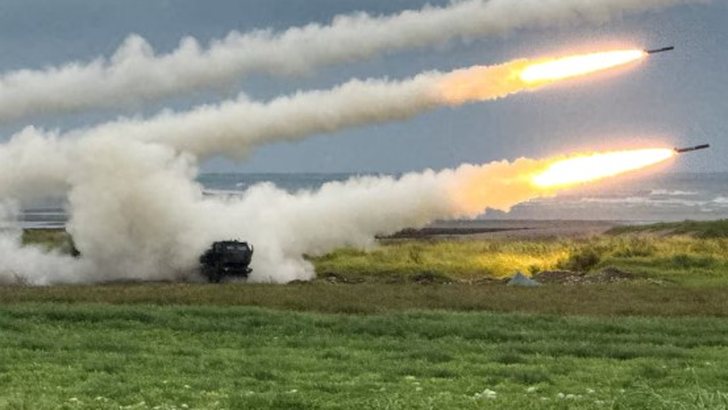
The facts on the ground seem to indicate otherwise. Iran's missile and drone attacks have continued against US allies in the region, including Kuwait, Bahrain and Jordan. In response to the downing of the Apache helicopter, the US struck over 20 targets in Iranian territory, including radars and air defence systems.
On Wednesday, from the Oval Office, Trump warned of a harsh military response, but at the same time declared that the agreement remained close.
"We will hit them hard again today and then we will see what happens with the deal. We are very close to a deal, but they continue to keep us in suspense and take us for fools," he said.
According to the analysis, the wave of White House statements, where one day there is talk of imminent agreements and the next day there is a warning that "an entire civilization could die tonight", has kept Trump in the spotlight, but at the same time has damaged his credibility on issues related to war and international security.
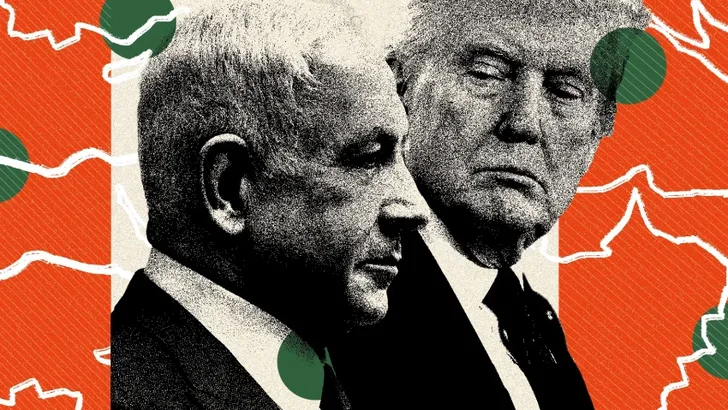
Some leaders appear to be exploiting this credibility gap. Trump said he intended to ask Israeli Prime Minister Benjamin Netanyahu not to launch retaliatory strikes against Iran. But after Israel struck Iranian targets, Trump declared in an interview with the BBC that “the missiles had already been launched.” He later denied that Netanyahu had challenged him, adding that “when I tell Netanyahu to do something, he does it.”
Likewise, the US president has repeatedly threatened Iran with attacks on civilian and energy infrastructure, actions that many international observers have described as potentially in violation of international humanitarian law, but has then returned to diplomacy or ultimatums with two-week deadlines that are then forgotten.
Every time negotiations stall or tensions rise after incidents such as the downing of the American helicopter, the cycle repeats itself. Threats, de-escalation, and then a new stalemate.
Fox News reported Wednesday that Trump was once again moving toward the option of much broader strikes against Iran. According to the analysis, such a scenario could severely damage the Iranian economy and the country's military and civilian infrastructure, without necessarily guaranteeing the opening of the Strait of Hormuz or Tehran's political surrender.
At this point, the Trump administration appears to be facing the same problem: military superiority is not translating into political concessions from Iran. Aside from the president's posts on the Truth Social network, there are few signs of progress in the negotiations.
On the other hand, at least on a declarative level, Iran is not giving any signals that it is ready to capitulate.
“Despite the losses on the battlefield, the US decided to test our resolve,” Iranian Foreign Minister Abbas Araghchi wrote. “Our armed forces will not leave any attack or threat unanswered. Leave our region if you want to be safe.”
The Guardian