Protests, violence, curfews: From France to Albania, why Europe'...
/ 2026-10-20 23:47:20Focus


Shells of houses. Street signs disappearing under the dust. It's all gray, sometimes brown. In Gaza there is no visual support that leaves room for hope. The sea crashing against the damaged coastline remains the only thing beautiful.
It's rare to see, even from afar, that corner of the world where the Israeli government has banned international journalists for almost two years.
Therefore, the aerial images that Corriere della Sera obtained from photographers on board Jordanian military flights that were allowed to drop aid from the air are invaluable.
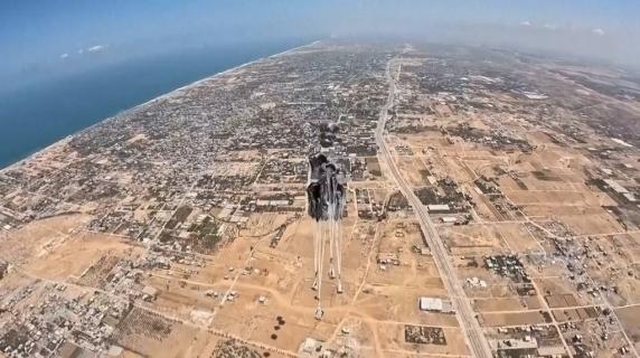
These photographs show the impact of nearly 90,000 tons of bombs dropped by Benjamin Netanyahu's military forces during the 22 months of the conflict - which began after the Hamas terrorist attack on October 7, 2023, killing 1,200 Israelis and kidnapping 250 - and which has today claimed over 60,000 Palestinian lives.
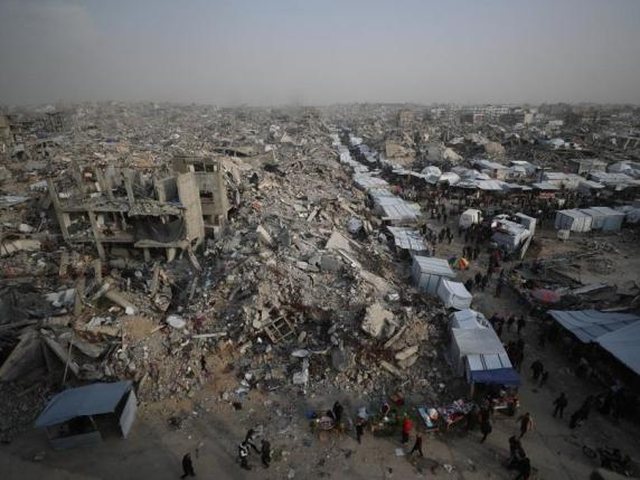
“My Gaza wasn’t like this,” writes Sami Abu Omar, who was born in the Strip 63 years ago. “There were beautiful hotels on the coast, our restaurants had the best fish in the Mediterranean.” It’s as if he’s trying to justify himself and convince himself that his land is not what he sees on these death cards. “These are scandalous images that make me feel ashamed,” he continues.
The numbers had already told us about the devastation and uninhabitability of Gaza. More than 90% of the homes have been damaged or destroyed. But seeing them is something else entirely.