Protests, violence, curfews: From France to Albania, why Europe'...
/ 2026-10-20 23:47:20Focus


President Donald Trump has approved a new wave of tariffs on dozens of America's trading partners, marking a significant escalation of ongoing trade tensions that could constitute the biggest shift in the global economy in nearly a century.
According to CNN, this historic new trade policy comes after months of missteps, due to Trump's so-called "reciprocal" tariff imposition and countless bilateral negotiations, only a handful of which have resulted in agreements that avoided even higher tariffs.
Trump and his economic advisers have celebrated the significantly higher tariffs that have now taken effect, rightly noting that they have raised more than $100 billion in tax revenue without causing catastrophic inflation or a recession, as some economists had feared.
However, the new tariffs – significantly more aggressive – are causing concern among economic experts, who warn of rising inflation and slowing job growth.
What are the new fees?
Before Thursday, almost every good imported into the U.S. was subject to a minimum tariff of 10%. Now, rates vary significantly from country to country.
The highest tariffs are imposed on goods from:
Brazil (50%)
Laos (40%)
Myanmar (40%)
Switzerland (39%)
Iraq (35%)
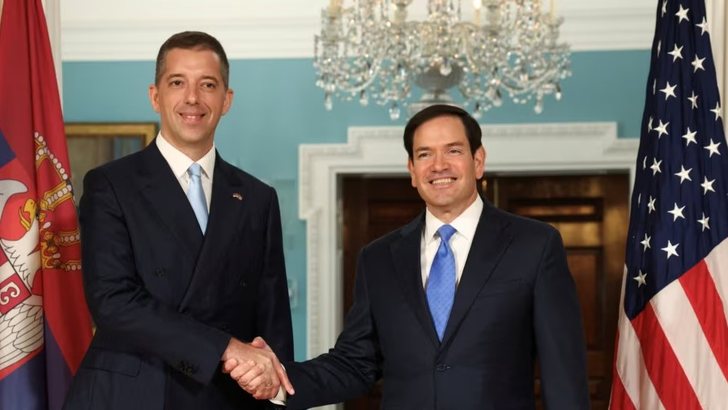
Serbia (35%)
21 other countries, including key countries from which the US imports important goods, such as:
Vietnam (20%)
India (25%)
Taiwan (20%)
Thailand (19%)
Goods from India could face an additional 25% tariff due to an executive order Trump signed on Wednesday penalizing oil purchases from Russia. The second tariff is expected to take effect on August 27.
Goods from 39 other countries, including the European Union, will be subject to tariffs of 15%, according to a list released by the White House.
Exceptions are Canada and Mexico, as long as the goods comply with the US-Mexico-Canada free trade agreement. If not:
Goods from Mexico are taxed at 25%
Goods from Canada at 35% (from 25% previously)
What is happening with trade agreements?
In most cases, these are not full trade agreements, but more preliminary outlines, which can take months or even years to finalize – if they don't fail.
In the past five months, Trump has announced eight trade deals. Only two have been formalized — with the United Kingdom and China. The deal with China, which lowered tariffs between the two countries, expires on August 12. If no action is taken, tariffs could return to previous levels.
Most of these agreements include:
Commitments to buy more American goods (such as oil, cars, Boeing airplanes, agricultural goods)
Large investments in American businesses
But there are notable discrepancies in content. For example, Japanese Prime Minister Shigeru Ishiba and chief negotiator Ryosei Akazawa have stated that many key details are still undecided, indicating a different reality than the one Trump describes.
Are there any exemptions from fees?
Yes.
Smartphones are not subject to the new tariffs.
Pharmaceutical products are currently exempt, but could face tariffs in the future, according to Trump's warnings.
Some sectoral tariffs (such as for medical devices or technology) will not overlap with reciprocal tariffs for countries.
The EU has negotiated a 15% tariff on pharmaceutical exports to avoid higher tariffs. Other countries in the agreement have also received favorable treatment for certain sectors.
There is also a partial exemption for goods that are manufactured abroad but have at least 20% of their value from American materials and labor.
When do the tariffs come into effect?
Technically, the tariffs are already in effect.
But under Trump's executive order, goods that are loaded onto ships and in transit to the US before 12:01 a.m. Thursday will continue to be charged at the old rates until October 5.
This is not the end.
Trump has warned that other tariffs are on the horizon, including those on:
Semiconductors – where a 100% tariff has been promised
Wood – for which no details were given
While the new tariffs could be declared illegal due to an ongoing court challenge, the president still has plenty of legal tools to push his agenda of higher tariffs and protecting domestic manufacturing.