Protests, violence, curfews: From France to Albania, why Europe'...
/ 2026-10-20 23:47:20Focus


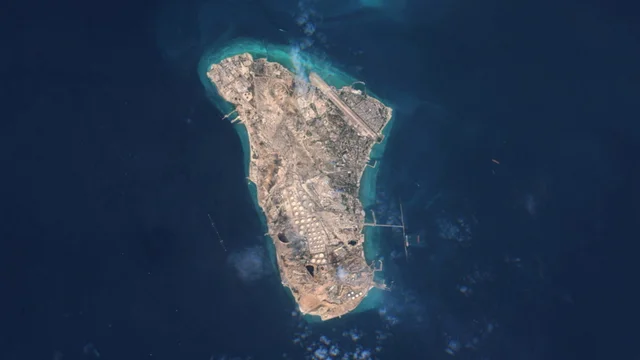
As the war in the Middle East escalates, attention is increasingly focused on a small rocky island in the Persian Gulf, located at the "heart" of Iran's oil economy: Kharg Island.
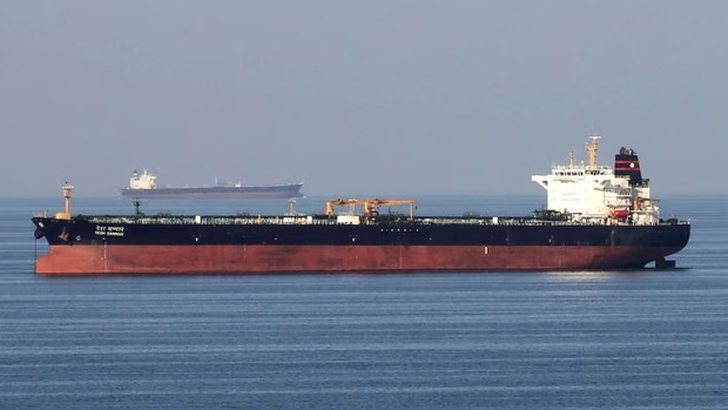
This island, about 24 kilometers off the Iranian coast, is home to the country's main crude oil export terminal (much of which goes to China) and is the gateway to the vast majority of Iranian oil shipments to world markets. An estimated 85% to 95% of Iran's oil exports are loaded at this point before tankers head across the Persian Gulf and the Strait of Hormuz to international destinations.
In practice, this makes the island the most important energy infrastructure that Iran possesses!
For decades, its facilities have been a strategic asset, and the ayatollahs have worked to reinforce and protect them. This is a forced choice, because the Gulf's water is shallow and this land is one of the few places where supertankers can operate.
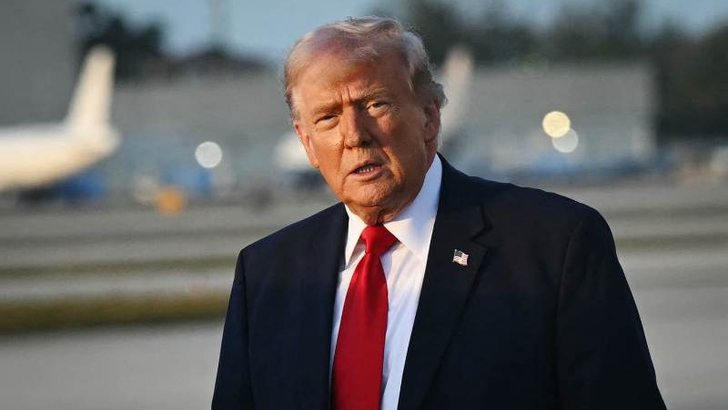
According to Axios reports, Donald Trump's administration is considering whether US special forces could take control of or neutralize the island as part of a strategy to pressure Tehran during the ongoing war.
Iran’s economy relies heavily on oil revenues, and Kharg is the hub through which most of that revenue flows. For this reason, analysts often describe the island as the “single critical point of weakness” of Iran’s energy system. The Kharg terminal processes several times more oil than all the country’s other export terminals combined.
This vulnerability has been known for decades. During the Iran-Iraq war in the 1980s, Iraqi planes repeatedly bombed Kharg Island in an attempt to cripple the Iranian economy.
Two years ago, Israel also considered intensive attacks, but so far the strikes have included other plants, leaving the Kharg pipelines untouched.
Although the attacks caused significant damage, the terminal was never completely closed.
Iran's oil lifeline
Kharg's importance is also linked to its geographical location. Most of Iran's oil fields are located in the southwest of the country and in the northern part of the Persian Gulf. Oil is transported through pipelines to reservoirs and loading points on the island, where giant tankers can anchor offshore to pick up the cargo.
The terminal's capacity is very large: the loading infrastructure can simultaneously handle several supertankers and export several million barrels of oil per day. For this reason, Kharg is considered the main hub for Iran's energy exports.
The region also includes the strategic islands of Greater Tunb and Lesser Tunb, which oversee the shipping lanes for tankers entering and leaving the Persian Gulf. From these positions, Iranian forces can threaten ships with missiles, drones, and fast attack craft.
Neutralizing these points could protect tanker traffic and reduce pressure on energy prices. But a strike on Kharg would directly affect the Iranian government's main source of funding.
A high-risk move
The idea of controlling the main economic resource of an oil-producing country has precedent.
Earlier this year, after US forces captured Venezuelan President Nicolás Maduro, Washington took control of the country's oil trade by intercepting and redirecting tankers, allowing exports only to approved buyers.
However, Kharg represents a much more important target, as Iran exports far more oil and controls strategic sea lanes. Taking control of the export terminal may be easier than stopping every tanker leaving it, but such an action would also be far more escalating.
An attack or invasion of the island would directly strike Iran and could provoke retaliation against energy infrastructure in the Persian Gulf, sea lanes, or energy facilities in the region.
Any disruption to operations on this island could significantly increase global oil prices.
For now, the island continues to operate normally. According to maritime traffic data, tankers have continued to load oil in recent days, even as tensions in the region have risen. But if Washington decides to strike, Kharg could transform from a lifeline for Iran's oil to a major battleground in the economic war raging in the Persian Gulf.
5,000 soldiers ready, but Trump waits
According to recent reports, Donald Trump has taken a complicated and uncertain stance on Kharg Island: he has ruled out a direct attack by US forces on Iran for the time being, but has left all options open, creating a dubious strategy of waiting and pressure.
The headquarters of the 82nd Airborne Division at Fort Bragg, with about 5,000 soldiers ready for mobilization in a few hours, has suddenly canceled participation in the exercise in Louisiana, a move that shows the readiness of the special forces, although it has not been specified whether they will be used for Kharg or for other tasks.
The attack, however, carries grave risks: The Revolutionary Guard could retaliate by attacking Saudi and other Gulf oil facilities, exacerbating the oil market turmoil.