Is this police force professional and capable of handling violen...
/ 2026-10-16 18:54:07Focus


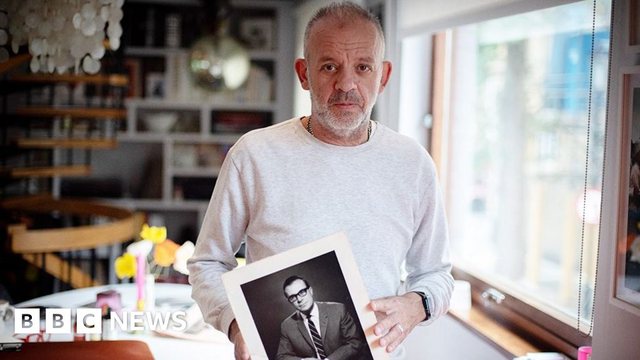
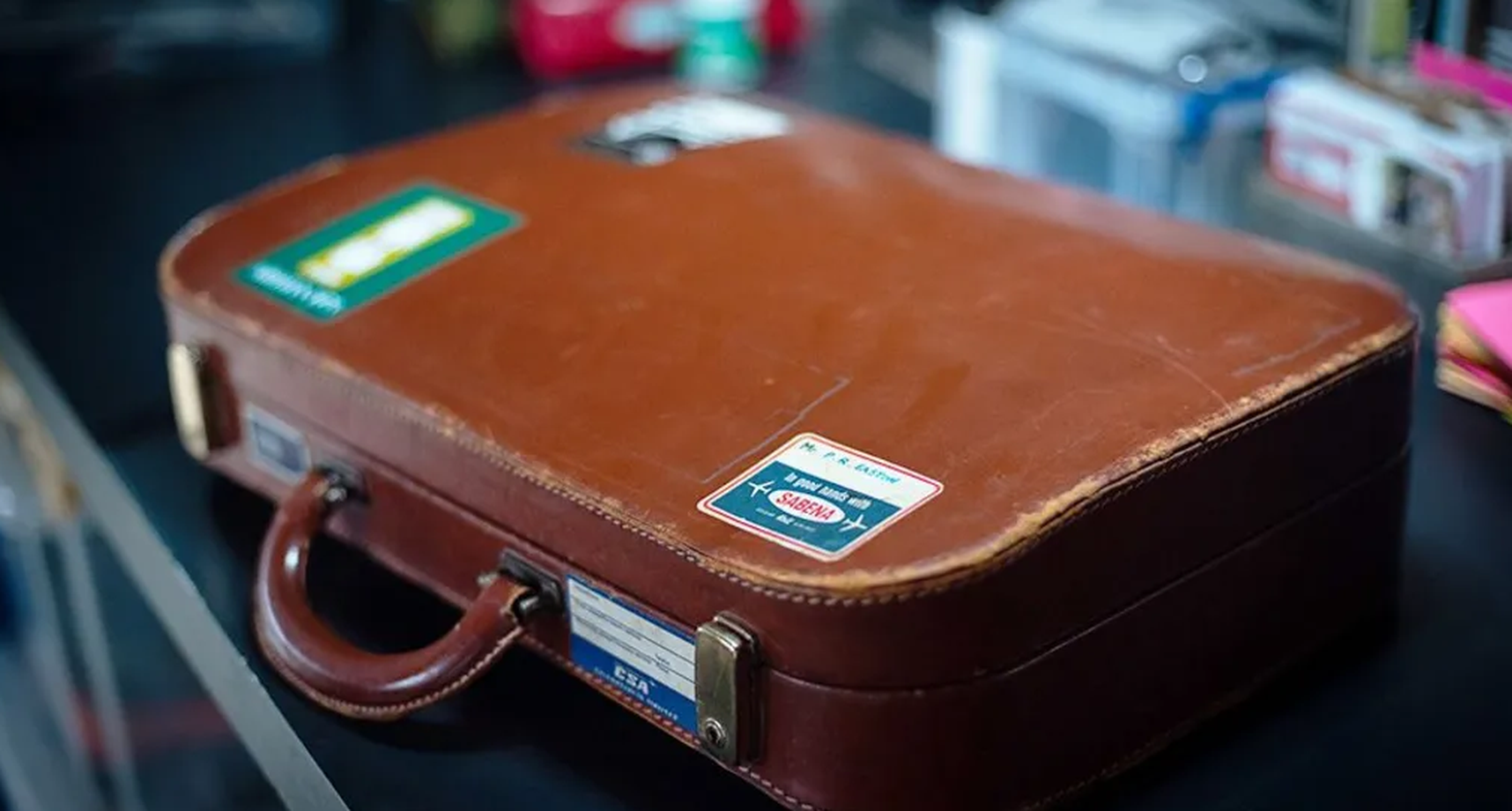
It was 2009 when Antony Easton found an old brown suitcase under the bed in the apartment of his late father, Peter.
Inside he found German banknotes, photographs, notes and a birth certificate revealing that the man who considered himself British to the core had been born in Berlin as Peter Hans Rudolf Eisner and was a member of one of the wealthiest Jewish families in pre-war Germany.
The discovery changed Anthony's life forever. Until then, he knew little about his father's past, who had spent his entire life avoiding questions about his childhood and his German accent.
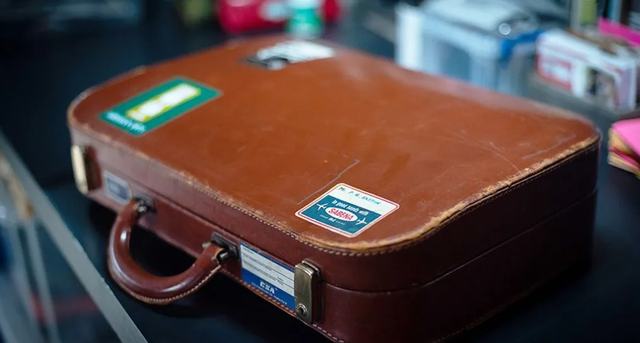
The suitcase, however, illuminated a story connected to the Holocaust, a lost fortune, and a shattered family.
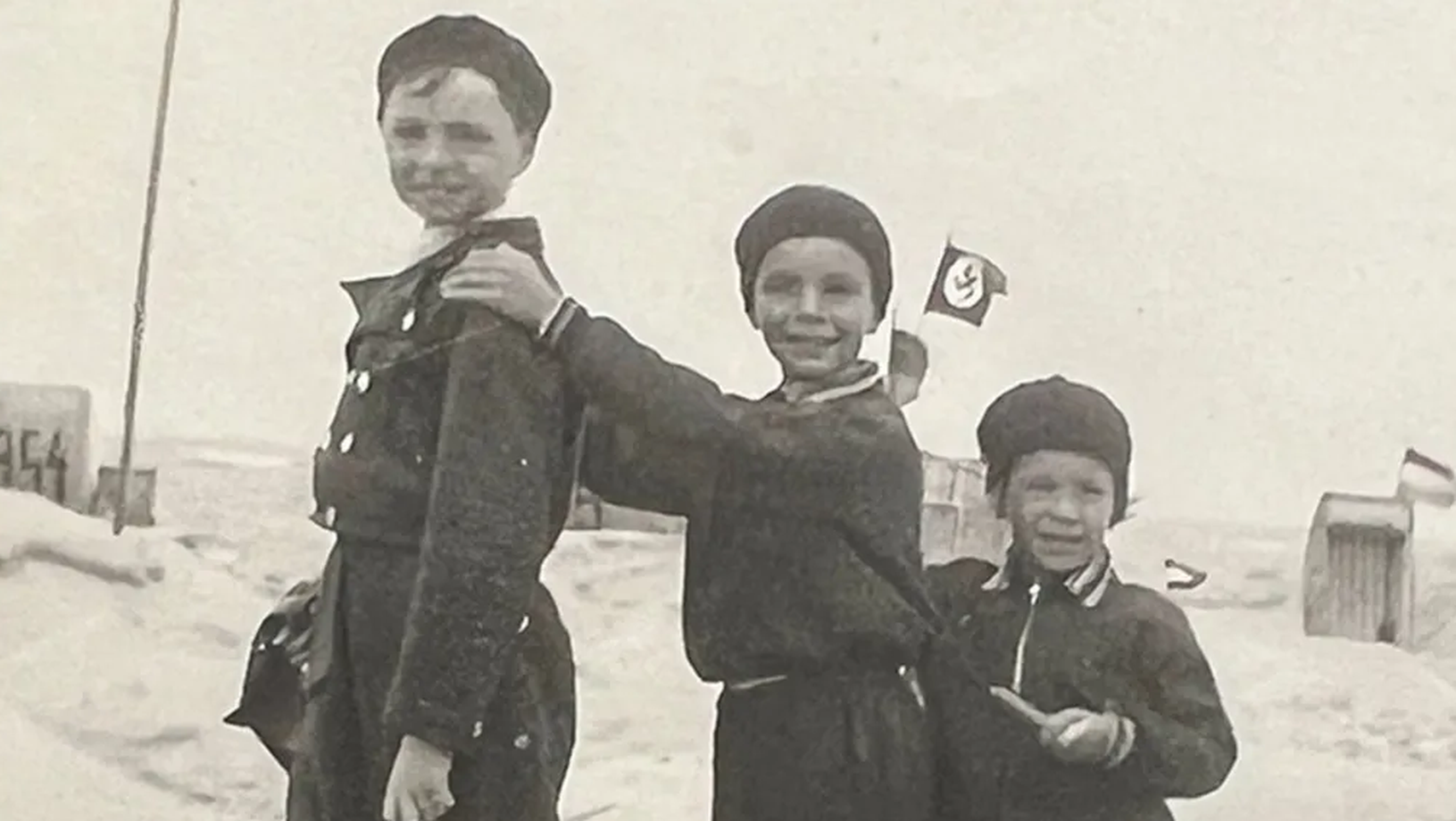
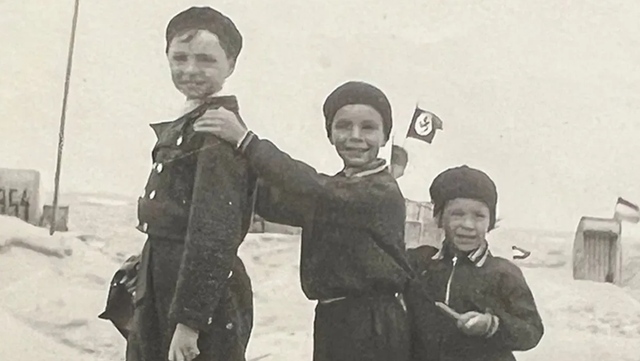
Among the black-and-white photographs, Anthony saw images from his father's past: luxurious homes, servants, chauffeured cars, and a photo of 12-year-old Peter smiling with friends as a Nazi flag waved in the background.
“I felt like a hand from the past was touching me,” Anthony recalls, telling the BBC. “There were signs that [he] wasn’t really like other people… There was something dark about his world,” he says.
Empire of Steel
Digging deeper, Anthony discovered references to a company in the suitcase's documents, Hahn'sche Werke, and with the help of a friend who knew German, he found a painting by the painter Hans Baluschek, titled Eisenwalzwerk ("Steel Factory"). This work belonged to his great-grandfather, Heinrich Eisner, who had created a vast industrial empire in Central Europe, with factories in Germany, Poland, and Russia.
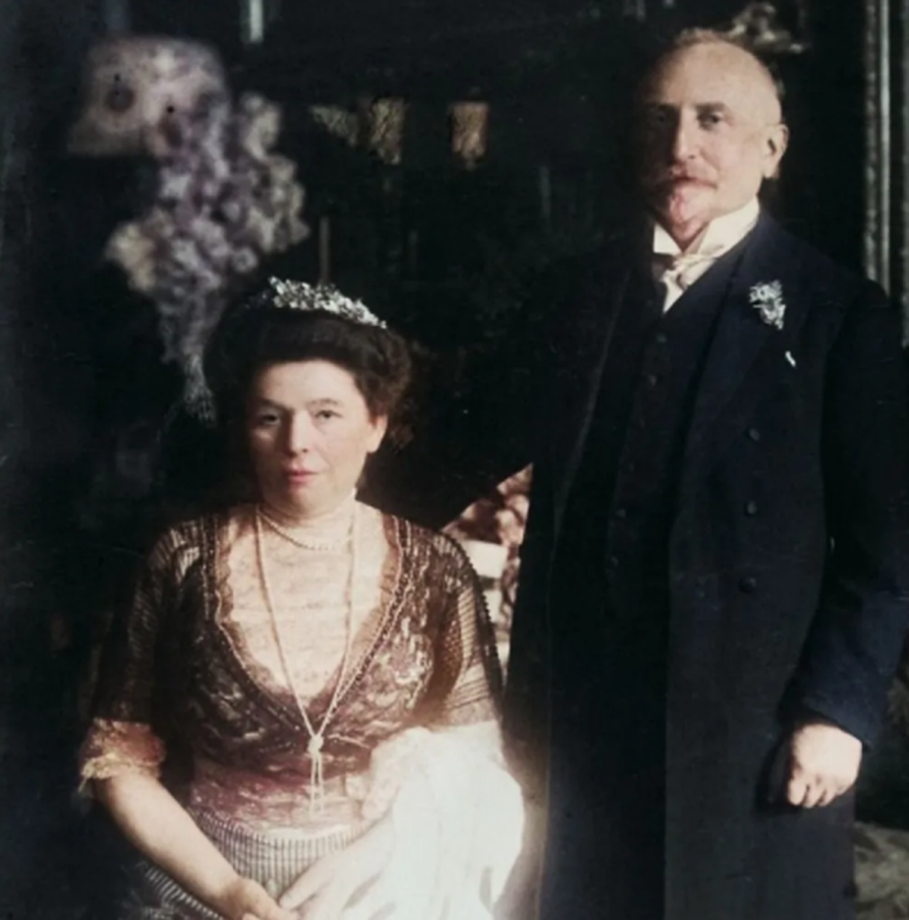
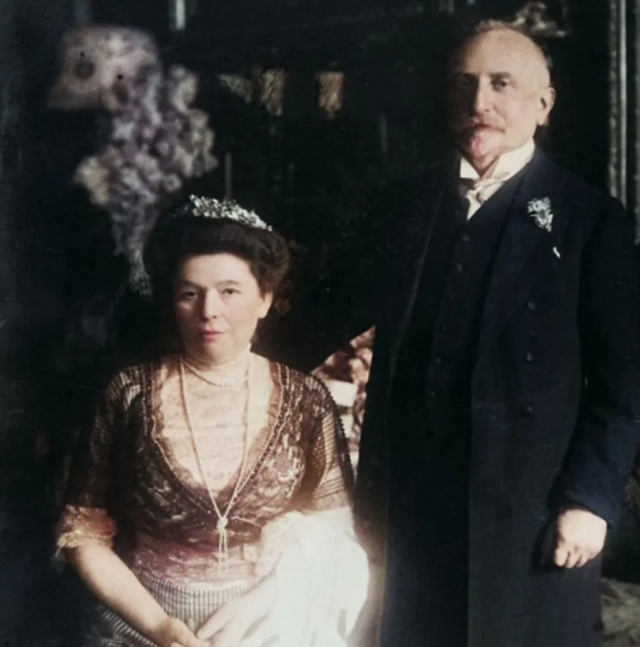
From his research, he discovered that at the beginning of the 20th century, Heinrich was one of the richest men in Germany.
Heinrich and his wife Olga owned several properties in and around Berlin, including an impressive six-story building in the city center with marble floors.
After his death in 1918, the business passed to his son, Rudolf, who continued to expand it – until the rise of Nazism turned things upside down.
Nazi looting
After 1933, Jews became a target of the regime. Rudolf tried to protect his company by making it “useful” to the Nazi economy, but in March 1938 the government seized Hahn'sche Werke and forcibly sold it to industrial giant Mannesmann, one of Germany’s largest steel suppliers.
Eisner's fortune vanished. When Mannesmann was acquired by Vodafone in 2000, the deal was worth more than £100 billion – and part of that vast fortune came from the empire that once belonged to the Eisner family.
deceit
Before they could escape, the Eisner family met with an economist named Martin Hartig. Hartig, who was not Jewish, promised to protect their assets by temporarily transferring them into his name, to avoid confiscation by the Nazis.
The promise turned out to be a trap. Hartig kept all the property and artwork for himself. Anthony uncovered the original contracts, which experts described to the BBC as a “forced sale” – a typical example of the Nazi state seizing Jewish property.
Despite the loss, Anthony's grandparents and father managed to escape in 1938, eventually reaching England just before the war broke out. Most of their relatives were not so lucky – they perished in concentration camps.
In search of lost property
Decades later, Anthony decided to investigate what had happened to his ancestors' fortune. With the help of a researcher, he found dozens of documents and an important piece of information: the Eisenwalzwerk painting was in the collection of the Brochan Museum in Berlin.
A meeting with Martin Hartig's daughter followed, who claimed that her father had "helped the Eisners save themselves" and that the property purchases were "legal."
Hartig's nephew, Vincent, admitted he was embarrassed when he learned that his home came from a Jewish family who were forced to leave it.
Apology
Although the legal deadlines for the return of the property have expired, hope is not lost. The Brohan Museum has announced its intention to return the Eisenwalzwerk to Heinrich Eisner's descendants. Another work was recently returned by the Israel Museum, while a third case is ongoing in Austria.
“For me, restoration is not about money, it’s about people,” says Anthony Easton. “Discovering the truth has taught me who my father and grandparents really were,” he added.
The Eisner name, which was lost when Peter arrived in England in 1939, is now alive again: Heinrich's great-grandson, born in 2024, has "Eisner" as his middle name.
Says a moved Anthony, “the name will live on. And people will say: 'That's an interesting name, what's the story behind it?'”