How Belinda Balluku is fabricating the rumor about Top Channel's...
/ 2026-10-19 16:19:00Focus


The Governor of the Bank of Albania, Gent Sejko, says that the Albanian economy continues to remain on a positive development trajectory.
In a press conference, Sejko said that the volume of economic activity, employment and wages have been increasing.
While inflation remains low, Sejko said that financial markets appear calm, and lending has seen rapid and steady growth.
Sejko stated that high geopolitical tension and the possible increase in trade barriers and tariffs could bring a supply shock with potential negative consequences on economic growth and inflation.
Governor Sejko also stated that the Supervisory Council of the Bank of Albania decided to keep the base interest rate unchanged at 2.75%; to keep the overnight deposit interest rate unchanged at 1.75%; and to keep the overnight loan interest rate unchanged at 3.75%.
Governor Sejko's full speech:
The Supervisory Council of the Bank of Albania reviewed and approved the Interim Monetary Policy Report.
Although incomplete, available data suggest that the Albanian economy continues to be on a positive development trajectory. The volume of economic activity, employment and wages have been increasing over the last two quarters, inflation remains at low levels, financial markets appear calm, while lending has recorded rapid and stable growth.
The prudent and consistent monetary policy pursued by the Bank of Albania has had a positive contribution to these developments. It has enabled inflation to return close to our target, without harming the positive trend of economic growth and financial stability. It has also generated a calm financial environment, with favorable financial conditions and growing lending.
The economic projections for the future remain positive. In the baseline scenario, inflation is expected to fluctuate close to the target, while the Albanian economy is expected to grow at a stable pace in the medium term.
In these circumstances, the Supervisory Council assessed that the current monetary policy stance is still appropriate to guarantee price stability and support sustainable economic development.
***
Consumer price inflation marked a slight decline in the first two months of 2025, remaining at an average level of 1.9%. The decline in inflation was dictated by the performance of unprocessed food prices and the decrease in the price of energy for household consumption. On the other hand, price inflation of other items in the consumer basket was relatively stable.
In macroeconomic terms, inflation developments in recent quarters have been largely driven by the decline in imported inflation to low levels, in response to international price developments and the appreciation of the exchange rate. Meanwhile, domestic inflationary pressures have declined more slowly and remain consistent with our price stability objective. The latter reflects both solid demand for goods and services and rising wages and production costs.
Official statistics on the performance of economic activity over the last two quarters are not yet complete. However, the available information suggests that economic growth has remained solid, at comparable levels – although somewhat lower – than in previous quarters. The expansion of economic activity appears to have been supported by increased consumption and domestic investment, as well as by increased exports of services, while fiscal policy has continued to remain in a consolidation position and exports of goods continue to decline. This performance is reflected in the expansion of the services and construction sectors, while the dynamics of the industrial and agricultural sectors are weaker.
The expansion of aggregate demand has been accompanied by increased employment, a decline in the unemployment rate and continued wage growth in the private sector. Thus, according to Instat data, employment in the fourth quarter marked an annual increase of 1.8%, while wages in the private sector increased by 9.5%. At the same time, the average unemployment rate during 2024 decreased to 8.5%, compared to the level of 9.5% recorded during 2023. As we have previously emphasized, the increase in employment and wages helps expand household incomes, but it also tends to be transmitted to an increase in labor costs and consumer prices.
The increase in household consumption and business investment reflects healthy financial balance sheets, confidence in the future, and favorable lending conditions. The latter are dictated by both the relatively low level of the base interest rate and loan interest rates, as well as the banking sector's positive approach to lending.
Financial markets have been quiet during the first quarter of 2025. They continue to be characterized by a high level of liquidity and low risk premia, while also displaying higher exchange rate stability.
Për pasojë, kredia për sektorin privat ka vijuar të rritet me ritme të shpejta – prej mesatarisht 16.7% gjatë dy muajve të parë të vitit – duke shfaqur në të njëjtën kohë një shpërndarje të mirë sektoriale dhe një cilësi të mirë portofoli. Një zhvillim specifik i dy tremujorëve të fundit ka qenë riaktivizimi i kreditimit në valutë, si pasojë e uljes së normave të interesit në tregjet evropiane dhe i rritjes së shpejtë të kredisë akorduar bizneseve për investime. Kjo e fundit shënoi një rritje mesatare prej 20% gjatë dy muajve të parë të vitit, duke mbështetur rritjen e kapaciteteve prodhuese. Gjithashtu, treguesi i kredive me probleme zbriti në 4.06% në muajin shkurt, një minimum i ri historik prej më shumë se një dekade.
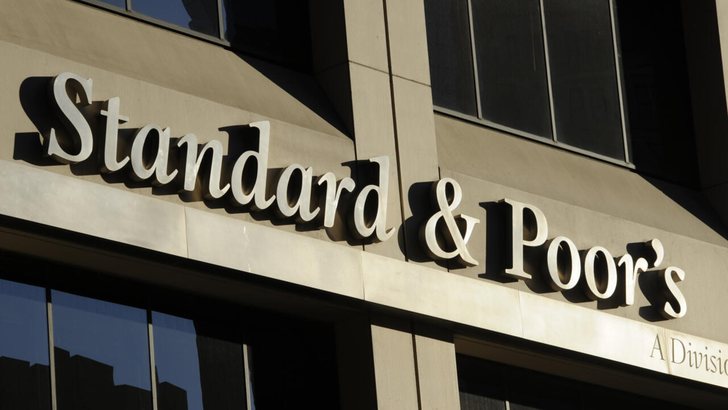
Stabiliteti i sistemit financiar, si dhe përmirësimi i treguesve të qëndrueshmërisë fiskale dhe të huaj të vendit, janë pasqyruar në një përmirësim të mëtejshëm të renditjes së rrezikut të borxhit sovran të Shqipërisë nga agjencia Standard & Poors në muajin mars 2025, duke e çuar atë në BB. Ky përmirësim ul kostot e huamarrjes së sektorit publik e privat në tregjet e huaja, si dhe rrit atraktivitetin e ekonomisë dhe të sistemit financiar shqiptar për investitorët e huaj.
Përditësimi i parashikimeve sugjeron se trendet pozitive të zhvillimit do të vijojnë edhe në të ardhmen.
Në skenarin bazë, inflacioni pritet të kthehet gradualisht pranë objektivit gjatë vitit 2025. Ky parashikim faktorizon pritjet tona për një ecuri më të balancuar të kërkesës dhe ofertës agregate për mallra e shërbime, një qëndrueshmëri më të lartë të kursit të këmbimit, si dhe për rënie të mëtejshme të inflacionit në partnerët tanë tregtarë. Paralelisht me të, ekonomia shqiptare pritet të rritet me ritme të qëndrueshme dhe pranë potencialit në afatin e mesëm.
Balanca e rreziqeve rreth këtyre parashikimeve paraqitet – për momentin – neutrale. Megjithatë, tensioni i lartë gjeopolitik dhe rritja e mundshme e barrierave e tarifave tregtare, mund të sjellin një goditje oferte me pasoja potenciale negative në rritjen ekonomike dhe inflacion.
***
Bazuar në sa më sipër, Këshilli Mbikëqyrës i Bankës së Shqipërisë vendosi:
të mbajë të pandryshuar normën bazë të interesit, në nivelin 2.75%;
të mbajë të pandryshuar normën e interesit të depozitës njëditore, në nivelin 1.75%;
të mbajë të pandryshuar normën e interesit të kredisë njëditore, në nivelin 3.75%.
Këshilli Mbikëqyrës gjykon se qëndrimi aktual i politikës monetare mbetet i përshtatshëm për përmbushjen e objektivit tonë të stabilitetit të çmimeve në të ardhmen.
The Supervisory Board also notes that the overall balance of medium-term pressures is gradually moving towards our inflation objective. In this context, future monetary policy decisions will continue to be informed by new information, and in particular by analyses and assessments of the development of domestic inflationary pressures. These decisions will always be in line with our price stability objective, as well as consistent with the fiscal policy stance and the exchange rate developments.