Is this police force professional and capable of handling violen...
/ 2026-10-16 18:54:07Focus


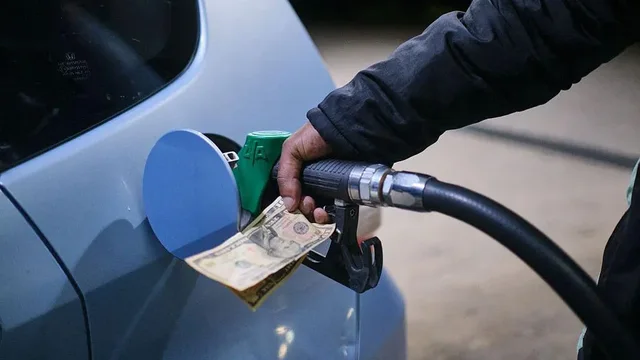
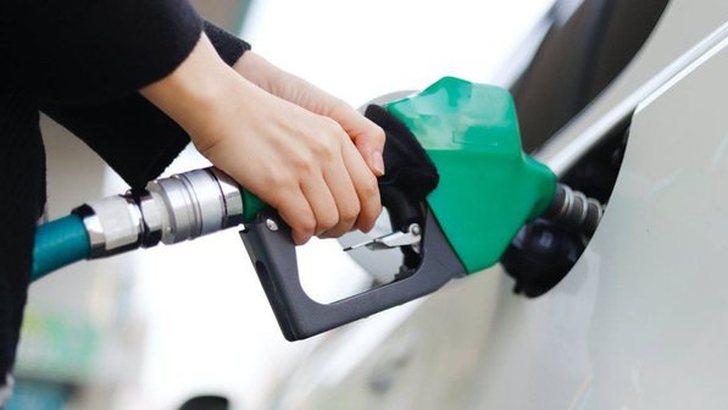
After the Transparency Board decided that the price of oil would be 224 lek per liter, Konfindustria reacted.
Through a public response, Konfindustria states that the executive must completely review the fiscal and regulatory policy in the fuel market.
" Estimates of the Albanian economic model show that a 30% increase in the current price of fuel creates inflation of at least 6% and a decline in GDP of 2.8-3% ," the announcement states.
Confindustria raises the alarm that the current situation clearly creates the risk of a transition to economic recession during the period 2026 and beyond.
The measures that need to be taken are: reducing the fiscal burden on fuels, reducing the annual tax on vehicles, and starting the process of transforming the Transparency Board into the Fuel Regulatory Entity.
NOTICE
Confindustria, assessing the serious economic consequences of the dramatic deterioration of the war in the Persian Gulf, urges the executive to act without delay in a complete review of the current fiscal and regulatory policy in the fuel market. Assessments of the Albanian economic model show that a 30% increase in the current price of fuel creates inflation of at least 6% and a decrease in GDP by 2.8-3%. The above clearly creates the risk of a transition to economic recession during the period 2026 onwards.
First, it is required to reduce the fiscal burden on fuel and annual vehicle taxes to at least the current average of the countries in the Region. Albania is the only country in the region that has not undertaken any tangible mitigating measures for the fuel crisis. Intervention with a 20% reduction in the excise duty value only when the price of oil reaches 220 lek/liter is insufficient and meaningless. The deepening of the difference in fuel costs with competing trading countries in the Region and beyond in the conditions of the crisis significantly increases the risk of bankruptcies for industries, local production, businesses, as well as multiple inflationary shocks for citizens.
Secondly, to begin the process of transforming the Transparency Board into the Fuel Regulatory Entity as a permanent professional institution against speculation in today's cartel market. Thirdly, Konfindustria supports the proposal for the creation of a state-owned operator in the wholesale and retail fuel market. The strategic fuel market with a real annual turnover of almost 2 billion dollars and accounts for close to 10% of GDP.