Is this police force professional and capable of handling violen...
/ 2026-10-16 18:54:07Focus


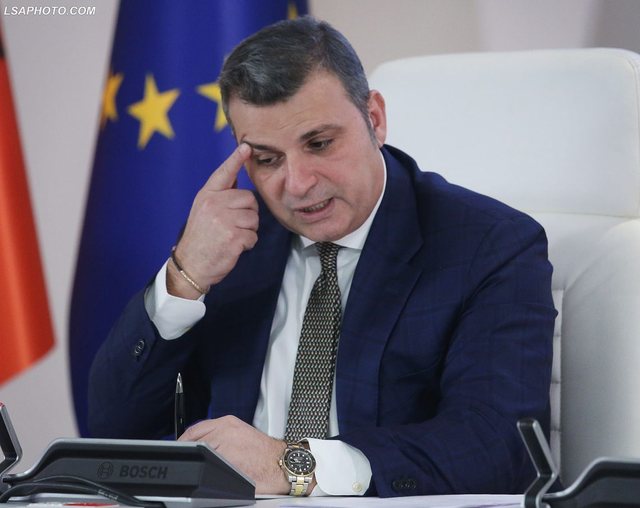
The Bank of Albania purchased the astronomical figure of 1 billion and 27 million euros in the foreign exchange market during 2025, a figure equal to 3.8% of Gross Domestic Product and one which, according to the main economic theory of this situation, should have caused " internal devaluation " of the national currency, i.e. inflation .
Mysteriously, however, inflation does not appear to be at very high levels, at least not in the Consumer Price Index measured by the Institute of Statistics .
The Bank of Albania began intervening in the foreign exchange market, despite advice from the International Monetary Fund not to do so, in 2024.
In 2024, 649 million euros were purchased, in addition to 283.8 million euros purchased to increase the country's foreign exchange reserves.
Purchases resumed in May 2025, and peaked in July, where within a month almost 236 million euros were purchased with the stated purpose of "preventing further strengthening of the exchange rate."
Purchases during 2025 continued every month and reached, in total, 729.1 million euros. In addition to this purchase for the exchange rate effect, the Bank of Albania continued the usual purchases to increase the foreign exchange reserve to the extent of 297.9 million euros. The total purchases for both purposes thus reached 1 billion and 27 million.
In total, 933 million euros were purchased during 2024 for both reasons, a figure that increased to 1,027 million in 2025.
The Albanian lek started 2025 at 98.3 lek per euro and closed at 96.8 lek per euro. Despite the purchase of such a large amount of euros, the lek still strengthened by 1.5%.
The lek has continued to strengthen in the first months of this year. Today, the euro costs 95.8 lek, 1% cheaper than at the beginning of the year.
“Internal devaluation”
Interventions in Albania's foreign exchange market were made because the lek has strengthened incredibly year after year, from 2018 onwards.
Many believe that dirty money, earned by Albanian organized crime, usually in the international cocaine trade, is the cause of the very high presence of the euro in the Albanian market and consequently, its depreciation against the national currency.
Nga ana tjetër, qeveria këmbëngul se nuk janë paratë e pista origjina e tepricës së euros në vend, por suksesi ekonomik i vendit në thithjen e turistëve të huaj dhe të investimeve të huaja të drejtpërdretja, pra janë paratë e pastra dhe jo të pista.
Sido që të jenë, problemi për vendin mbetet i njëjtë. Fenomeni i ekspozimit të një vendi nga një fluks i lartë i papritur monetar, është studiuar nga ekonomistët që prej dekadash për të dalë në konkluzionin se për një situatë të tillë nuk ka zgjidhje të lehtë dhe se pasojat ekonomike janë zakonisht shumë negative.
Kështu, në vitin 1982, duke marrë shembullin e krizës së shkaktuar nga një fenomen i tillë në Holandë, Corden dhe Neary, dy ekonomistë, njëri australian dhe tjetri irlandez, e analizuan problemin duke e ndarë ekonominë në tre kategori dhe duke ndjekur ecurinë e secilës prej kategorive.
Në kategorinë e parë u vendosën sektorët që kanë sjellë bumin e eksporteve, në kategorinë e dytë u vendosën sektorët që kanë përjetuar krizë si pasojë e forcimit të monedhës kombëtare dhe në kategorinë e tretë u vendosën sektorët e mallrave dhe shërbimeve të patregtueshme, pra ato që prodhohen dhe konsumohen brenda vendit.
Modeli në fjalë tregon se të ardhurat nga sektori me eksporte në rritje konvertohen në tepricë paraje në dy sektorët e tjerë, gjë që do të thotë inflacion dhe varfërim.
Mënyra se paraja e tepërt nga sektori me eksporte transferohet te dy sektorët e tjerë është, ose në mënyrë të tërthortë, përmes kursit të këmbimit dhe forcimit të monedhës vendëse, ose në mënyrën e padukshme dhe indirekte të rritjes së çmimeve në rastet kur vendet përdorin kurs fiks këmbimi ose, si në rastin aktual të Shqipërisë, kur banka qendrore ndërhyn në treg.
Kësaj rrugës së dytë, Fondi Monetar Ndërkombëtar i referohet si “zhvlerësim i brendshëm”.
Një shembull në botë për këtë është Holanda përmes Sëmundjes Holandeze. Një tjetër është Kolumbia gjatë bumit të kafesë. Nga viti 1975, çmimi i kafesë në tregun ndërkombëtar u rrit me shpejtësi dhe Kolumbia përjetoi një bum në të ardhurat valutore, bum që shkaktoi forcim të monedhës vendëse, forcim që nga ana e vet shkaktoi ngadalësim ose rënie në disa sektorë tradicionalë të rëndësishëm si tekstilet.
Ndërmjet të dyjave, pra rënies së eksporteve tradicionale dhe rritjes së eksporteve “të reja”, sektori i ndërtimit pësoi bum bashkë me “shërbimet qeveritare.”
Situata aktuale shqiptare ngjan, në këtë kuptim, si kronikë e një krize të paralajmëruar. Leku është forcuar nga viti 2018 dhe sektori i bujqësisë, sipas të dhënave zyrtare të Institutit të Statistikave, ka pësuar rënie të pandërprerë në prodhim që nga tremujori i tretë i vitit 2020.
The industry sector as a whole has been in decline since the fourth quarter of 2023. Industry includes both heavy industry, such as electricity or oil, whose production does not directly depend on the exchange rate, as well as the manufacturing sector, which in Albania is typically represented by clothing and footwear.
According to INSTAT data, the manufacturing sector has suffered a continuous contraction in activity since the second quarter of 2023. Despite this, construction and public administration have continued to grow.
Crisis at the door?
The Bank of Albania's purchases in the foreign exchange market amounted to 3.8% of Gross Domestic Product last year.
An interruption of these foreign exchange inflows, as is likely to occur in the face of reality in the construction sector, whose inflation in recent years cannot predict anything other than the expected bubble and deflation, will leave the country without foreign exchange earnings and unable to recover production in sectors that have suffered declines.
For example, the tailoring sector, which has suffered the most from the decline in competitiveness in the international market as a result of the strengthening of the lek, will not find it easy to start over with an increase in the workforce because workers have moved elsewhere in the meantime.
Agriculture, whose problems are not simply related to a loss of competitiveness but are deeper structural problems related to governance, such as property titles or primary infrastructure, will likely have an even harder time recovering.
The government, which has increased its workforce incredibly along with wages, will have to adjust its finances./ Birn