Is this police force professional and capable of handling violen...
/ 2026-10-16 18:54:07Focus


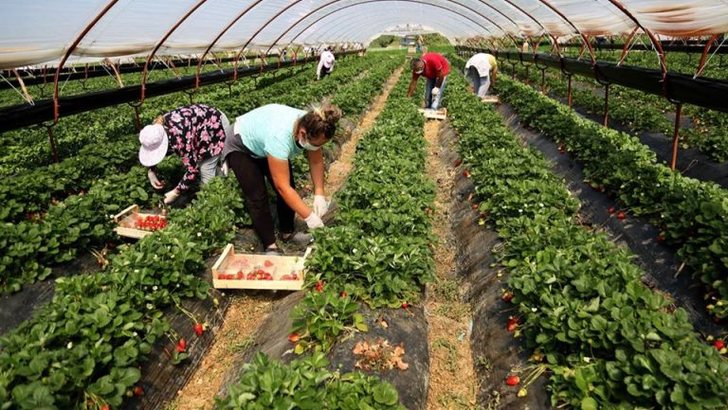
The draft strategy for the tourism sector has been submitted for consultation for days. And while the business that operates in this sector has been assessed so far, the taxes they will pay, the way they will be able to support themselves, the repair of apartments with daily rent, service, etc., an important point is the staff. More and more people are talking about the lack of qualified staff, about the lack of human resources even if they are unqualified. Many European countries that have tourism as their primary sector have found different ways for seasonal employees, treating them with assistance.
It seems that the tourism businesses have found a preliminary agreement with the government regarding a greater security over the labor force which is highly fluctuating due to seasonality.
In the draft tourism strategy, it is recognized that the private sector and the state can jointly provide subsidization of employees during the months when the entities do not operate, seeing this as a guarantee to have employees during the summer season.
"To enable workforce retention, as well as support seasonal workers and ensure their financial stability throughout the year, it is important to implement a measure that provides continued employment benefits and financial support during off-peak periods it is stated in the draft strategy.
The document further states that this framework should focus on seasonal workers in the tourism industry, ensuring that they receive adequate compensation when they are not actively working, and should incentivize employers to retain their workforce for subsequent seasons.
But how is this to be achieved? In a subsection with the main features of this policy, it is detailed that the target groups and beneficiaries covered by this measure must first be clearly defined (employees and employers).
So for determining the minimum period that employees must work without interruption, for the same employer, to qualify for this measure (for example, at least six months and at least one season). Likewise, identifying the types of employers and economic activities that qualify for subsidies, such as businesses that face reduced work volume during off-peak seasons, due to the seasonal nature of their activities;
Another element is the determination of the maximum duration of the measure, i.e. for how long financial support will be provided (for example, up to six months after the end of the season).
Likewise, specifying the cost of health benefits and insurance even after the end of the season to be covered by the government instead of the employer during the duration of the measure.
Determining the amount of economic assistance that employees will receive, calculated on the basis of unemployment benefits, as well as the percentage of the average salary covered during the period of the measure is another point.
Finally, the clear definition of the obligations of the beneficiaries, such as guaranteeing the re-employment of permanent seasonal employees in the following season after the end of the measure and maintaining the same number of employees given on the date of submission of the application for a certain period.