Is this police force professional and capable of handling violen...
/ 2026-10-16 18:54:07Focus


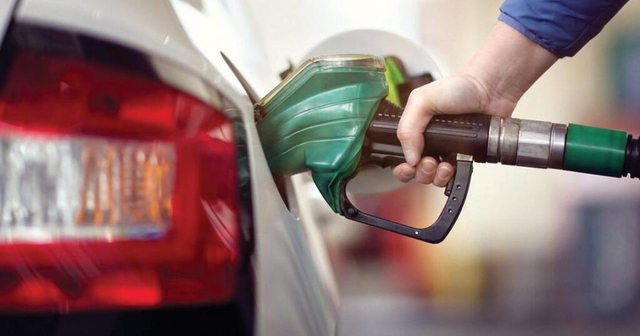
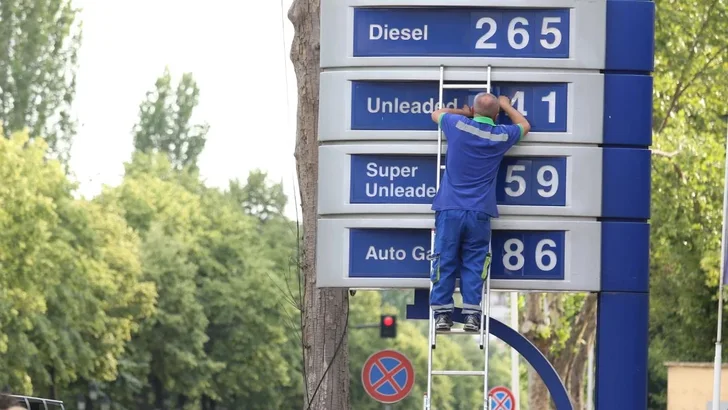
The queue of vehicles has increased at the gas station in Tuz, on the border with the Murriqani customs point, which connects Montenegro with Albania.
Most of the residents around there cross the border and get their supplies of oil, as it is much cheaper than in Albania.
A liter of diesel was traded yesterday in Montenegro for 1.57 euros, while in Albania it was 214 lekë, or 2.2 euros at the daily exchange rate.
With 2 thousand lekë, in Albania you can buy 9.3 liters of diesel, while in Montenegro, with the same amount, if you exchange it, you get almost 21 euros and buy 13.1 liters, or 42% more.
The price difference is so high that it's worth the time spent and the extra fuel spent on the way to the border.
Not only the residents of the surrounding area, but also the citizens of Shkodra have turned Montenegro into a favorite destination. Koçi, together with his wife, go to Podgorica every two weeks.
On the way, they fill the tank full, but they don't stop there, they stock up on food at supermarkets.
A jar of yogurt costs 1.3 euros, while the same one in Albania costs 70% more. Milk is also cheaper, as are flour, oil, and canned goods.
Above all, they claim that in addition to being cheaper, the products are also of higher quality.
Eurostat data shows that food prices in Albania are on par with the European average (98.7% of the European average), while in North Macedonia they are 73% of the European average and in Montenegro they are 82.6%. (The latest data is for 2024, there is no info for Kosovo).
Milk, cheese and eggs cost even 31.5% more than the European average.
No one has measured how much the Albanian economy is losing as a result of price differences with border countries, which are shifting the consumption of both fuel and other products to neighboring countries, such as Montenegro, Kosovo, and North Macedonia.
This phenomenon potentially translates into loss of fiscal revenues, contraction of domestic consumption, pressure on domestic businesses and a lower contribution to GDP growth, due to the transfer of expenditures outside the Albanian economy, which if there were no price differences would remain in the country.
The Association of Hydrocarbon Companies estimates that around 300-500 tons per day of oil are taken by Albanian customers near the border areas. In addition, another lost consumption of 120-300 tons per day is estimated by foreign citizens, who would potentially buy in Albania, but are supplied at the border entrance and exit.
Shoqata e llogarit këtë konsum të humbur me kalimet në zona kufitare të mjeteve ditore, së dyti me numrin e turistëve e kamionëve që hynë e dalin me targa të huaja dhe furnizohen. Së treti, bëhet një llogaritje me numrin e makinave në zonat kufitare dhe konsumin në këto zona krahasuar me të njëjtin numër makinash në zonat e brendshme, si dhe me infon se sa shesin në ditë pikat e karburantit afër kufirit tonë me tre shtetet.
Sipas të dhënave nga Ministria e Financave dhe Doganat, konsumi vjetor në Shqipëri i karburanteve është rreth 740 mijë ton në vit, ose rreth 2000 ton në ditë (që me çmimin aktual prej 214 lekë për litër përkthehet në një konsum prej 5.2 milionë euro në ditë).
Nga të dhënat vlerësohet se blerjet e karburantit në vendet fqinje janë mesatarisht sa 15-25% e totalit të konsumit në vend.
Duke konvertuar 500 ton në litra, me një çmim mesatar prej 1.5-1.6 euro për litër, llogaritet se nga Shqipëria po dalin aktualisht rreth 1 milion euro në ditë për blerjen e karburanteve në vendet fqinje, ose mbi 350 milionë euro në vit.
Ndërsa çmimet më të shtrenjta të ushqimeve lidhen me mungesën e konkurrueshmërise dhe varësinë e lartë nga importi, duke e kthyer ekonominë në një supermarket të madh, për naftën, një nga arsyet kryesore lidhet me barrën e lartë të taksave që paguhet për çdo litër.
Në total, aktualisht, një shqiptar paguan në një litër naftë 1.16 euro taksa, (53% të çmimit final); një qytetar maqedonas 0.58 euro për litër (36% të çmimit final); një malazez 0.55 euro (35% të çmimit final); një shtetas i Kosovës 0.67 euro, ose 38.5% të çmimit final.
Në Maqedoninë e Veriut dhe në Mal të Zi, ku aktualisht karburanti po tregtohet me rreth 1.6 euro për litër. Në Kosovë çmimi u rrit së fundmi në 1.7-1.8 euro/litër, në Shqipëri ësht 2.2 euro/litër.
Në vlerë, sa herë që ble një litër karburant, çdo përdorues makine në Shqipëri, paguan dy herë më shumë taksa sesa banorët e Kosovës, Malit të Zi e Maqedonisë së Veriut.
Shteti mund të arkëtojë gati njëlloj, nëse ul taksat dhe rrit konsumin
Nëse çmimet do të ishin në nivele të ngjashme me rajonin, konsumi do të përqendrohej në vend dhe do të rritej me 25-30%, duke arritur afër 1 milion ton në vit. Kjo rritje e konsumit, pa dyshim do të kompensonte uljen e barrës fiskale mbi naftën.
Në 2025-n, me konsumin aktual prej 740 mijë ton në vit dhe çmim mesatar 175 lekë për litër, vlerësohet se shqiptarët paguan rreth 1.5 miliardë euro për të blerë naftën, gjysma e të cilës janë taksa. Këtë vit, nëse taksimi nuk ndryshon dhe konsumi mbetet i njëjtë, shpenzimi do të arrijë në 1.7-1.8 miliardë euro në vit, me një çmim mesatar midis 200-214 lekë për litër, nga i cili shteti do të arkëtonte gjysmën (rreth 900 milionë euro).
If, for example, the circulation tax were removed, which reduces the price of diesel by 30 lek per liter, for example at a price of 180 lek per liter, consumption would increase to 2.1 billion euros and the state would collect 40%, or about 850 million euros, significantly recovering the loss from the removal of the circulation tax./ Monitor