Is this police force professional and capable of handling violen...
/ 2026-10-16 18:54:07Focus


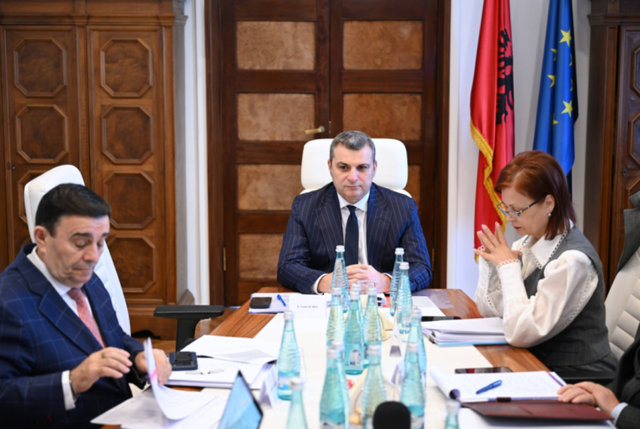
The Supervisory Council of the Bank of Albania today kept the key interest rate unchanged at 2.5%. In his speech, Governor Gent Sejko said that, until the first quarter of 2025, the economy has shown positive performance, but the conflict in the Middle East is an extreme source of risk and its effects are difficult to predict.
Sejko emphasized that the Bank of Albania will take time to more clearly assess the effects that this conflict could bring to the global and Albanian economy, potentially comparing it to the strong inflationary shock caused by the start of the war in Ukraine in 2022.
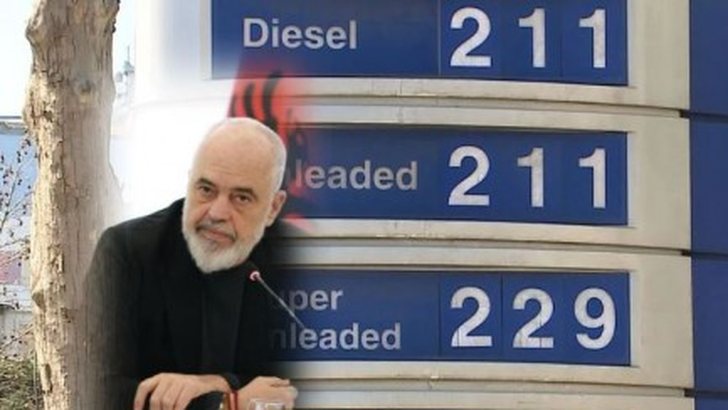
"The military conflict and geopolitical tensions in the Middle East are an extreme source of risk and uncertainty for the global and Albanian economies. This conflict has led to a rapid and strong increase in the price of oil and other energy products on world markets."
The duration, intensity, and indirect transmission channels of this shock to the Albanian economy are difficult to estimate with an acceptable degree of certainty. However, the prolongation and increase in intensity of this conflict could turn it into a serious supply shock, comparable to that which followed the outbreak of the war in Ukraine in 2022.
"Similar to this episode, this shock would have negative consequences on inflation and the country's economic growth in the future. Similar to the reaction of other central banks, it allows more time to monitor the performance of oil prices in international markets and to assess their impact on the country," said Sejko.
He also added that the materialization of supply shocks will require prudent monetary and fiscal measures.
"These measures should prioritize preserving the country's economic and financial stability and protecting the most vulnerable segments of the economy and society. As mentioned above, the monetary policy response will continue to be oriented, in any case, towards respecting the price stability objective, taking care that the supply shock does not turn into sustainable and long-term inflationary pressures," the Governor stated.
Speaking about the performance of the economy, based on data to date, Sejko said that the Albanian economy has shown positive performance, supported by the growth of family consumption, private sector investments, and the export of services.
On the other hand, fiscal policy has continued to show a consolidation nature while exports of goods have declined. This demand profile has encouraged the expansion of the services and construction sectors, while the agriculture and industry sectors have continued to contract.
The increase in demand for goods and services has also been reflected in the labor market. Employment in the non-agricultural private sector increased by 5.6% during 2025, the average wage increased by 8.5%, while the unemployment rate at the end of the year remained at a historically low level of 8.3%.
According to the Governor, the rapid increase in wages has not been fully reflected in price increases, as a result of its absorption by productivity growth and the reduction in business profit margins. However, high demand for labor from businesses and the lack of supply continue to keep the labor market under tension.
From a macroeconomic perspective, economic growth continues to be supported by sound private sector balance sheets, household and business confidence in the future, expanding tourism revenues, and favorable financing conditions.
Sejko said that the prudent monetary policy of the Bank of Albania has played an essential role in maintaining price stability, helping to control inflation expectations and contributing to the improvement of financing conditions.
"More specifically, the easing of the monetary policy stance during 2025 brought a further reduction in credit interest rates and was reflected in a stable and rapid increase in them. Also, the increased presence of the Bank of Albania in the domestic foreign exchange market attracted part of the increased supply of foreign exchange, enabling a more stable exchange rate level.
As a result, financial markets continue to be characterized by ample liquidity, low interest rates, sound banking sector balance sheets, and a positive approach to lending.
Favorable financing conditions are reflected in the rapid and broad-based expansion of credit to the private sector. The loan portfolio recorded an annual growth of almost 14% during the first two months of 2026, continuing to display good quality indicators, increased concentration in lek, and remaining oriented towards financing business investment projects and household housing purchases.
"The growth of bank credit has continued to support the expansion of private sector consumption and investment, as well as covering their temporary liquidity needs, thus making a positive contribution to economic growth," said Sejko.