Is this police force professional and capable of handling violen...
/ 2026-10-16 18:54:07Focus


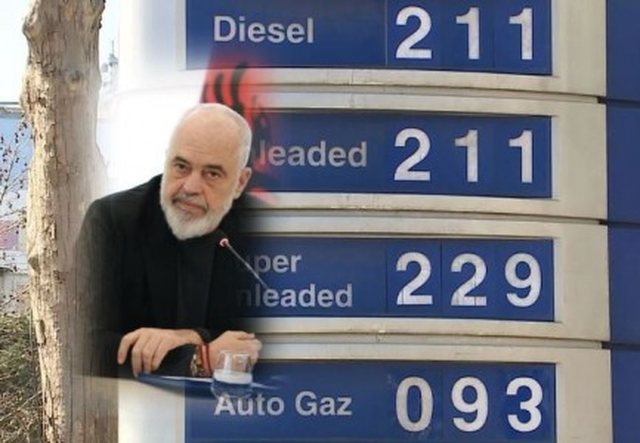
"Every time the price of oil reaches 220 lek, we will reduce the excise tax by 20%."
When you hear it in principle, it seems like a great relief, but when you do the math, the savings are no more than about 600 lek per month. The government's move to reduce excise duty by 20% does not seem to bring any significant relief to users of "black gold".
"I don't know on what basis the government's calculations were made, but my personal view is that the excise tax should be completely abolished. The excise tax is what doubles the price of oil. If oil on the global market, before the conflict, was 60-65 lek per liter, the excise tax brought it to 100 lek, then VAT was introduced, which brought it to 120 lek," says economic expert Enriko Ceko.
Last year, according to data from the Ministry of Finance, the state coffers received around 300 million euros from excise tax revenues on oil. According to calculations, the state coffers would lose only 3.3% of total revenues.
"The problem is that the state budget is being wasted. The money is being used for civil works, but the works are poor. So we have two options with the abolition of taxes: either we collect taxes and have a good state budget, or we do not collect those taxes and let the citizens use the money according to their needs," says Enriko Ceko, an economics expert.
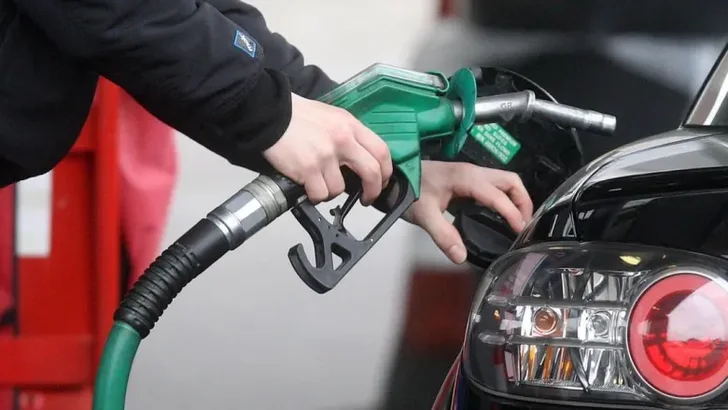
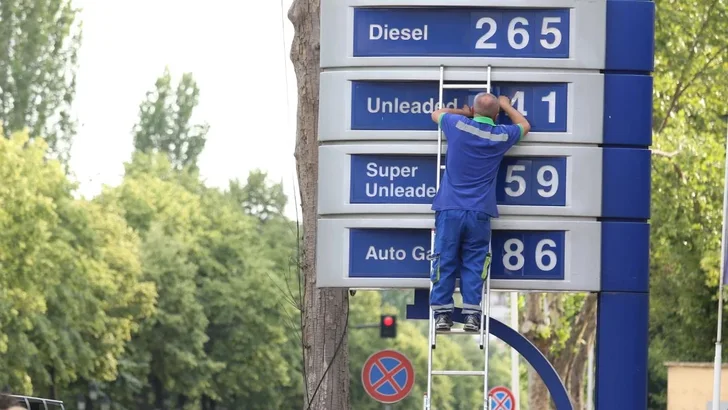
Meanwhile, in international markets, the price of oil continues to rise on the stock exchange, while in the domestic market, a liter of oil is being traded at 214 lek per liter.