Is this police force professional and capable of handling violen...
/ 2026-10-16 18:54:07Focus


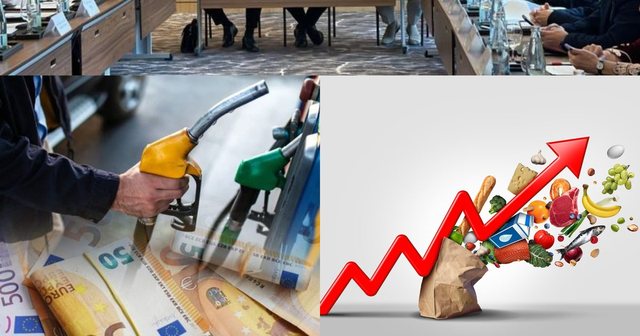
Immediately after the Transparency Board's decision to increase the price of oil by 5 lek today, a reaction was made by business associations, which have requested intervention from the government to curb the effects on the economy.
According to them, fuel is a strategic element for the economy and the increase in its price is creating a chain effect in all sectors, starting from production to services, and thus bringing about a decrease in purchasing power as well as an increase in production costs and a weakening of the competitiveness of businesses.
Business associations have addressed 6 requests to the Albanian government, the most important of which are the review of the fiscal burden and support for the sectors most exposed to this increase in fuel prices, such as transport, agriculture or agro-processing, and tailoring services and tourism.
Further proposing medium and long-term measures, including the creation of strategic oil reserves, diversification of energy sources, and investments in alternative energy. While warning that if their demands are not taken into account and the government does not intervene, there will be price increases, business closures, and employee layoffs.
Requests from the Business Association:
1. Fiscal burden review
A temporary and flexible review of the fiscal burden on fuels is necessary. The current price structure includes a significant tax burden, which weighs heavily on business and consumers. A targeted intervention would help stabilize the market.
Such measures should be in line with the practices of European Union countries, which in times of crisis have applied fiscal easing policies to mitigate the impact on the economy and citizens.
2. Transparency in pricing
The lack of transparency in pricing by the relevant structures remains a concern. We demand regular publication of the pricing structure; clarification of influencing factors (international markets, taxes, margins). Transparency is essential for restoring trust.
3. Strengthening market control
Institutions must guarantee fair competition through: active monitoring of operators; investigation of any possible cases of abuse or collusion; and the fight against informality.
4. Support for the most exposed sectors
Sectors such as: transport, agriculture and agro-processing, manufacturing and tailoring, services and tourism are among the hardest hit and require concrete support. Mitigating instruments are necessary to maintain competitiveness and avoid the full transfer of costs to the consumer.
5. Medium and long-term measures
- Creation of strategic oil reserves to guarantee energy security in cases of crisis;
- Diversification of energy sources and reduction of dependence on imports;
- Investments in alternative energy and increased energy efficiency;
6. An open, regular and developmental dialogue must be developed between governments and businesses , so that measures against the energy crisis are real, applicable and in the function of preserving jobs, production and investments, guaranteeing economic and social stability in the Albanian space.
The declaration was signed by 12 business organizations, including the All-Albanian Economic Forum, the Tirana Chamber of Commerce and Industry, the Kosovo Business Alliance, the Builders Association, the Albanian Agribusiness Council, the National Passenger Transport Association of Albania, the Albanian Tourism Association, the Albanian Food Industry Association, the Dairy Processing Industry Association, the Medicinal Plants Association, PRO-Export Albania, and the Association of Professional, Business and Craftswomen.