Protests, violence, curfews: From France to Albania, why Europe'...
/ 2026-10-20 23:47:20Focus



Smoking rates refer to the prevalence of individuals who smoke tobacco products within a given population. It is an important metric used to assess the extent of tobacco use and its impact on public health. However, smoking rates vary greatly between countries, regions and demographic groups, influenced by cultural, socio-economic and behavioral factors.
High rates of smoking pose significant health risks and contribute to various diseases, including lung cancer, heart disease, respiratory disorders and other health complications. Furthermore, smoking has economic implications, such as increased health care costs and reduced productivity, burdening individuals, families and society.
Governments, public health organizations, and anti-smoking advocacy groups have implemented various strategies to combat high smoking rates. These include implementing tobacco control policies, raising awareness of the health risks of smoking, promoting smoking cessation programs, and advocating for stricter regulations on tobacco products.
Facts about smoking rates by country:
· Globally, 1.8 billion individuals smoke, with 84% of smokers residing in developing countries.
· Globally, tobacco use is the leading cause of preventable disease and premature mortality.
· Several types of cancer, including lung cancer, heart disease, stroke and respiratory disorders, are linked to smoking.
· About 90% (or nine out of ten) of all lung cancer deaths are caused by smoking.
· According to the WHO, smoking is one of the biggest global health risks, killing over eight million people a year.
· In the US, smoking causes more than 480,000 deaths per year.
· Most daily smokers have smoked for at least ten years.
· It may be difficult for a woman to become pregnant if she smokes. It can harm her baby's health before and after birth.
· Secondhand smoke, exhaled by smokers or produced by burning tobacco, harms non-smokers and can increase the risk of developing respiratory and other health problems.
· In addition, smoking increases the risk of mortality from cancer and other diseases for cancer patients and survivors.
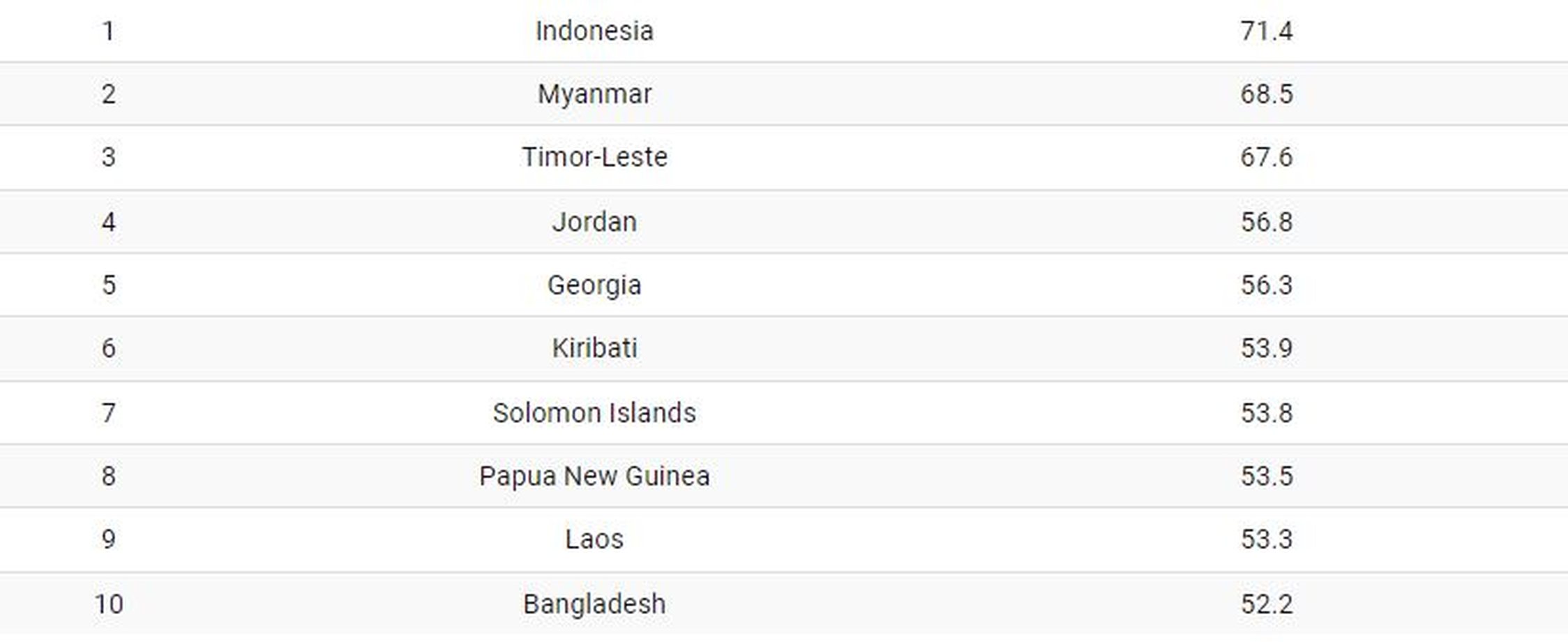
Below is the list of the top 10 countries with the highest smoking rates in the world, according to the World Bank:
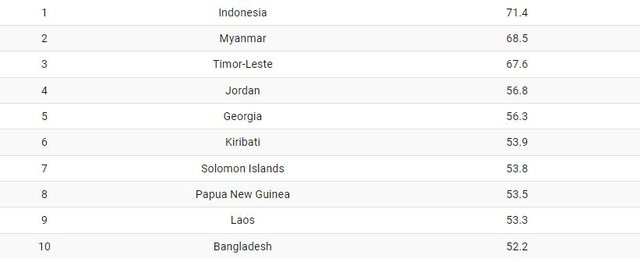
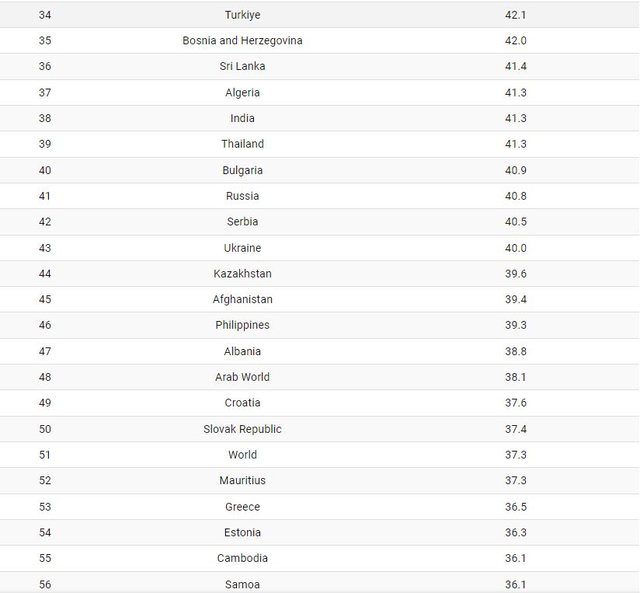
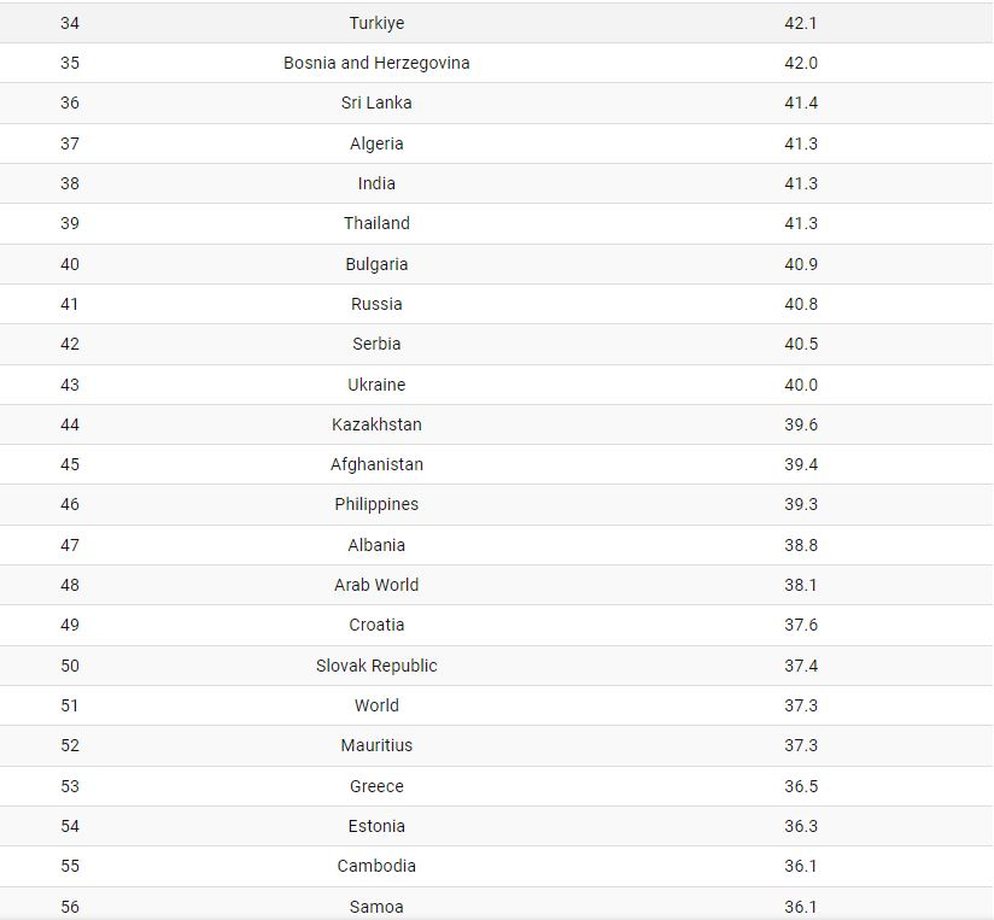
Albania ranks 47th with a score of 38.8: