Is this police force professional and capable of handling violen...
/ 2026-10-16 18:54:07Focus


Lorenzo Lamperti - La Stampa
China has not yet responded to Donald Trump's call to send warships to protect oil routes in the Strait of Hormuz. Even if it did, it is very difficult to expect a positive response. Beijing has no intention of backing down in a crisis created by others, even though the conflict affects many of its interests.
China's logic is this: The United States caused the crisis by attacking Iran first (along with Israel) and cannot now seek help from its main rival. Especially when Washington's attacks hit a historic partner of Beijing, just two months after the capture of Maduro in Venezuela, another country with which China had good relations.
However, what is happening on Kharg Island is worrying the Asian power. Despite the attack, Trump has so far spared the oil plants on the "treasure island", where crude oil is produced, the main buyer of which is China. The logic of the White House may be precisely to increase pressure on Beijing to force it to intervene in the crisis, either by escorting ships in Hormuz, or by convincing Tehran to reopen the strait.
The situation could give Xi Jinping more reason to put pressure on Iran. According to CNBC, since the start of the war, Tehran has already shipped about 12 million barrels of oil to China. A lower figure than usual, but if the Kharg Island facilities were attacked, the damage would be much greater.
Beijing has repeatedly expressed its opposition to the closure of the strait. It did so last June, during the previous conflict, and in recent weeks privately. But Iran has had no illusions about China's largely rhetorical support, which has been disillusioned by the actions of the Revolutionary Guard.
Their attacks on military and energy structures in the region are endangering other key supplies, compromising the major diplomatic effort of recent years that led to the agreement to restore relations between Iran and Saudi Arabia, under the auspices of Beijing.
Also on Sunday, the Chinese Foreign Ministry called for security in the Strait of Hormuz, calling it a “vital international route” for trade. China receives about 45% of its oil imports through Hormuz. For this reason, Beijing is engaging in a complex diplomatic balancing act.
The special envoy for the Middle East, Zhai Jun, is on a mission in the Persian Gulf. On Friday, in Bahrain, he condemned the attacks on energy infrastructure and praised the calm maintained by countries in the region. An attempt to balance China's position between Iran and the Gulf countries, although it is likely that Beijing will negotiate with Tehran at least on the transit of its ships.
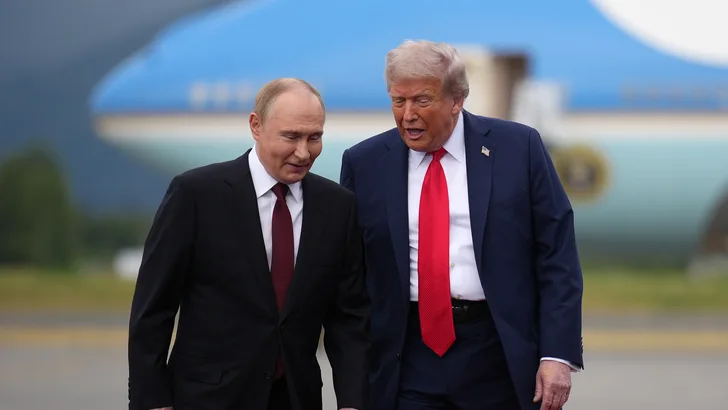
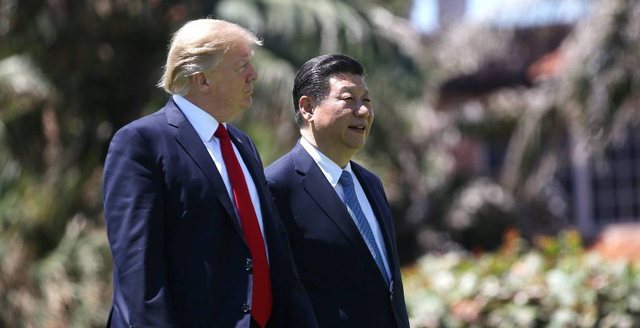
Trump's request remains on the table and is expected to be added to the agenda of his visit to Beijing from March 31 to April 2. The Iranian oil strike could give the US an additional weapon in negotiations with China. After the recent defeat on tariffs, a retaliatory move on Chinese energy supplies could somewhat balance the race.
To cope with such crises, China has significantly increased its oil imports in 2025. According to Rystad Energy, it accumulated reserves of 430,000 barrels per day last year. That should guarantee about four months of relative calm, although a prolonged conflict would force Beijing to increase imports from Russia, Canada or Brazil.
Meanwhile, the biggest consequences of the crisis in the oil routes are being felt in Japan and South Korea, the US's Asian allies. Their imports from the region exceed 90%. In addition, the Pentagon is moving military assets from their territories, including the Thaad anti-missile system, which once caused a diplomatic crisis between South Korea and China. In the face of the American request to send warships, Sanae Takaichi, an ally of Trump, who is expected to make an official visit to the White House next week, is also hesitating.
Xi, on the contrary, is in no hurry to help his rival, and at the negotiating table will remind him that the US still needs China's rare earth minerals, on which the US military that is striking Iran also partially depends.