Is this police force professional and capable of handling violen...
/ 2026-10-16 18:54:07Focus


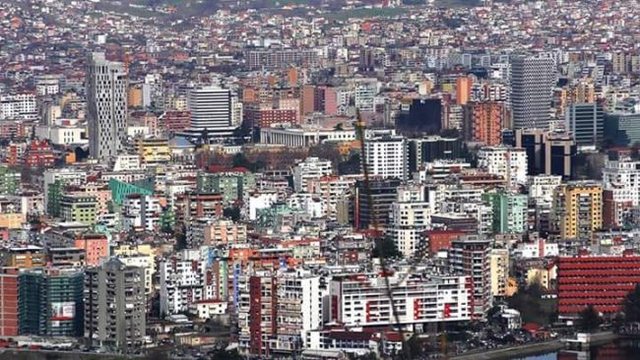
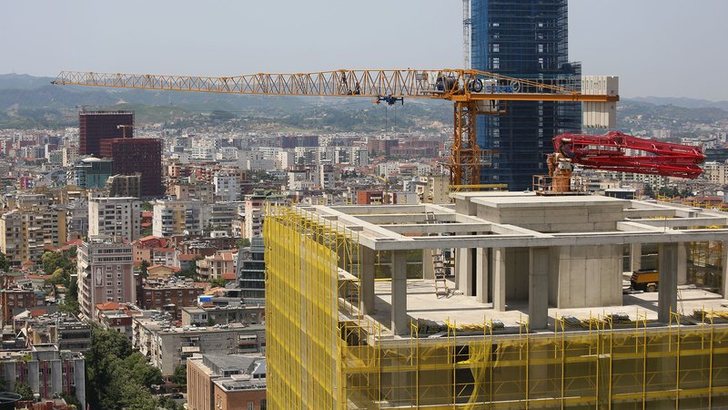
SPAK's actions to crack down on money laundering in the construction sector raise a major risk on the horizon. What will happen to the families who bought air through empty contracts?
The construction market in Albania operates almost entirely according to this reverse model. Most properties are sold outright, as citizens rush to prepay for apartments, lured by lower prices in the initial phase.
But as builders fall into the net of justice, or are financially shaken by the interruption of illegal financial flows, the great risk is that along with them, citizens' money will also disappear into the ether.
And this is a potentially massive risk. There are suspicions that illicit money may have infected a large portion of construction companies in Albania, making them vulnerable to legal action or the removal of owners who try to evade the law.
Now that the first consequences of this model have begun to materialize, the situation poses an urgent need to protect families.
First, Albania must definitively break away from the prepayment model with which the construction market operates, by not allowing the sale of air or at least by legally requiring the freezing of prepaid money in a special escrow account, without the possibility of use by builders.
These legal interventions, in addition to protecting citizens from the possible collapse of construction companies, would also make it more difficult for money of dubious origin to infiltrate the construction industry, as builders would no longer have the alibi of prepayments, but would have to prove their financial capacity and the legality of their funding sources.
Secondly, the Bank of Albania must urgently intervene by prohibiting the lending of air purchases to prevent the transmission of negative consequences in the financial system.
Currently, the banking system is heavily exposed to the real estate and construction sector, with banks having lent around 5 billion euros for property purchases, a significant portion of which are loans for unbuilt properties.
The collateral received for these loans provides a certain measure of protection, but experience has shown that it is insufficient, as their conversion into liquid assets is not that easy.
Today, non-financial assets in the banking sector's balance sheet, the vast majority of which are properties seized for non-payment of loans, are over 600 million euros and continue to grow, which shows that seized properties are not so easily tradable.
Furthermore, holding these assets becomes a burden for the banking sector, as the properties have maintenance costs, repair costs from depreciation, or other expenses.
Of course, these legal and regulatory interventions would significantly shrink construction activity in the residential and commercial segments, thereby slowing the country's economic growth for a certain period, until the economy rebalances.
But in the current situation, suppressing the construction sector could be a policy with public benefits./ Taken from kapitali.al