Is this police force professional and capable of handling violen...
/ 2026-10-16 18:54:07Focus


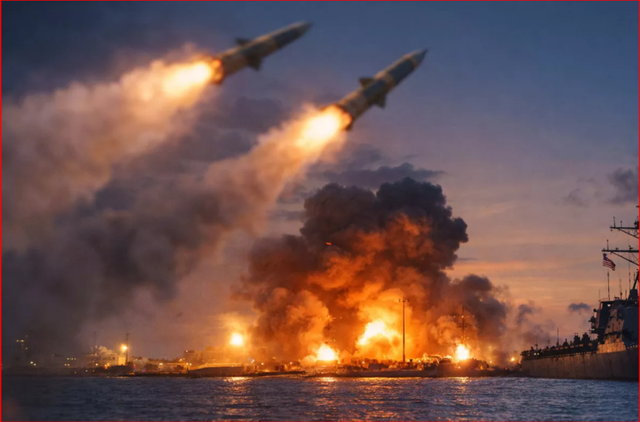
The February 28 American and Israeli attack on Iran, which killed Supreme Leader Ayatollah Ali Khamenei, raised security concerns in many countries around the world, as the Islamic Republic is carrying out retaliatory attacks in countries where American military bases exist.
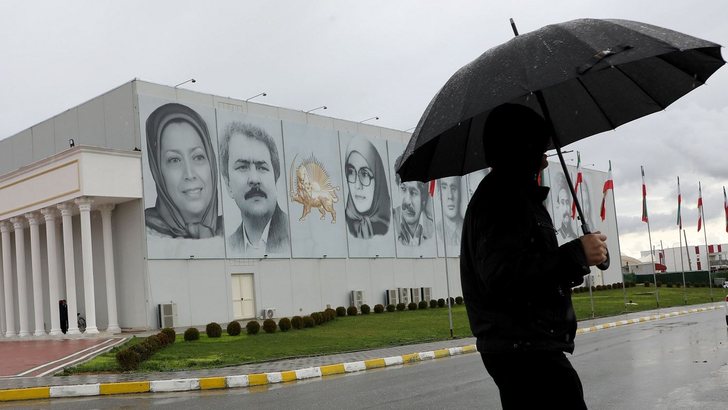
Such concerns were also felt in Albania, where the Iranian opposition group Mojahedin-e-Khalq (MEK), also known as the People's Mujahedin Organization of Iran, has been sheltering for years.
On the day the attacks on Iran began, Albania's Prime Minister, Edi Rama, supported the operation by the United States and Israel, saying that the country he leads has been directly confronted with "the barbaric face of the Tehran regime, through its cyber aggressions."
"For us, this is not abstract geopolitics. It is national security, moral and legal clarity. Albania will act accordingly," Rama wrote on the social network X, formerly known as Twitter.
The Albanian government did not respond to Radio Free Europe's inquiry regarding the current security situation.
Albania has accused Iran of carrying out a series of devastating cyberattacks against it since 2022, which targeted state digital infrastructure and public services, and led to the severance of diplomatic relations between Tirana and Tehran.
Security experts are divided on the risk to Albania, as are citizens: some warn of new cyber or hybrid threats, while others believe that the presence of the MEK does not significantly increase the country's exposure.
The National Cyber Security Authority (AKSKA) in Albania told Radio Free Europe in 2025 that cyberattacks had been ongoing since 2022.
"The attacks, mainly of the 'wipe' and 'ransomware' type, have been destructive in nature and have aimed to paralyze digital infrastructures, causing service disruptions and consequences for citizens," the AKSK statement said.
This Albanian institution had not made any connection between the MEK's presence in Albania and the attacks from Iran, while claiming that "Albanian institutions have shown prudence and have taken measures to strengthen cyber resilience in the face of possible future threats."
What do the experts say?
Security expert Ilir Kulla tells Radio Free Europe that Albania must consider both the risk of cyberattacks and broader scenarios in the event of an escalation of the conflict.
“[Sulmet kibernetike] mund të përsëriten në sulme kibernetike të niveleve shumë herë më të larta se ato që kemi pasur. Jo vetëm kaq, Shqipëria është e rrezikuar, nëse do të kemi një zgjerim ushtarak të konfliktit, një shkëmbim me raketa. Shqipëria është në rrugën direkte ajrore që shkon nga Irani drejt Evropës”, vlerëson ai.
Kulla shton se “Shqipëria nuk mund të bëjë shumë në këtë aspekt”.
“Nëse zgjerohet konflikti, do të jetë për të gjithë, thjesht do të rrimë në rreshtin që kemi zgjedhur”, shprehet ai.
Profesori dhe eksperti i sigurisë, Xhavit Shala, thotë se nuk e sheh prezencën e MEK-ut si faktor shtesë që e rrezikon Shqipërinë nga sulmet e Iranit.
“Ata [MEK-u] e kanë marrë me kohë paralajmërimin për të mos u përfshirë në aktivitete politike ndaj Iranit. Kanë statusin e refugjatit të përcaktuar nga normat e OKB-së, janë miq në vendin tonë. Nëse e bëjnë, mund të ndjellin më shumë urrejtje nga Irani, dhe mund të kalohet në veprime, por unë nuk mendoj se do të arrihet te kjo. Pra, edhe se nuk përbëjnë rrezik të shtuar, kujdesi duhet të jetë i madh, sepse segmente të caktuara edhe mund të përfshihen”, shprehet ai.
Shala shton, megjithatë, se fakti që Shqipëria është anëtare e Organizatës së Traktatit të Atlantikut Verior (NATO) e ndryshon faktorin e rrezikut.
“Nëse cenohet një vend anëtar përmes sulmeve nga Irani, që nuk është çudi, ne jemi të përfshirë dhe rreziku është njësoj si për çdo vend tjetër. Një nivel alarmi duhet të ketë”, thotë ai.
Shala, megjithatë, nuk përjashton mundësitë e rrezikut nga sulmet shtesë kibernetike, por që, sipas tij, Shqipëria tani është më mbrojtur nga sa ishte vite më parë.
Qytetarë të Tiranës, në bisedë me Radion Evropa e Lirë, shprehin mendime të ndara sa i përket rrezikut ndaj Shqipërisë.
Disa e shohin strehimin e opozitës iraniane si faktor rreziku dhe kërkojnë masa shtesë sigurie.
“Lufta nuk është e mirë për askënd, është në dëm të të gjithë popujve. Derisa kemi pranuar opozitën iraniane, Shqipëria është e rrezikuar”, thotë Ylber Morina.
Të tjerë besojnë se Shqipëria është shumë larg për t’u përfshirë drejtpërdrejt.
“Nuk besoj se jemi të rrezikuar. Nuk besoj se ka për t'u përshkallëzuar situata kaq shumë, që të marrim dhe ne masa, të shqetësohemi”, shprehet Fjori Lumani.
Gazmir Koçiu, tjetër qytetar, thekson se situata ndërkombëtare mbetet e paqëndrueshme, dhe kërkon vigjilencë.
“Nuk ka siguri. Me ato që po shohim nëpër lajme, situata është e frikshme. Duhet të marrë masa Shqipëria. Dihej që do kishim probleme, që kur morëm anëtarët e MEK-ut”, thotë ai.
Si reagoi MEK-u ndaj sulmit mbi Iranin?
MEK-u reagoi shpejt ndaj zhvillimeve të fundit në Iran, duke parë situatën si moment historik për fundin e regjimit klerikal.
Në një mesazh publik, drejtuesja e MEK-ut dhe e Këshillit Kombëtar të Rezistencës së Iranit (NCRI), Maryam Rajavi, deklaroi se “vdekja e Khameneit është vdekje e tiranisë fetare”, dhe tha se duhet krijuar “një qeveri e përkohshme që do të transferojë sovranitetin tek populli përmes zgjedhjeve të lira”.
In recent posts on social media, the organization has promoted a ten-point plan, which calls for free elections, separation of religion and state, gender equality, and the abolition of the death penalty.
Radio Free Europe also attempted to speak with MEK representatives regarding the current situation and security concerns in Albania, but they did not respond by the time of publication of this article.
The US State Department, in a response to Radio Free Europe in 2023, said it does not consider the MEK "a viable democratic opposition movement representing the Iranian people." (REL)