Is this police force professional and capable of handling violen...
/ 2026-10-16 18:54:07Focus


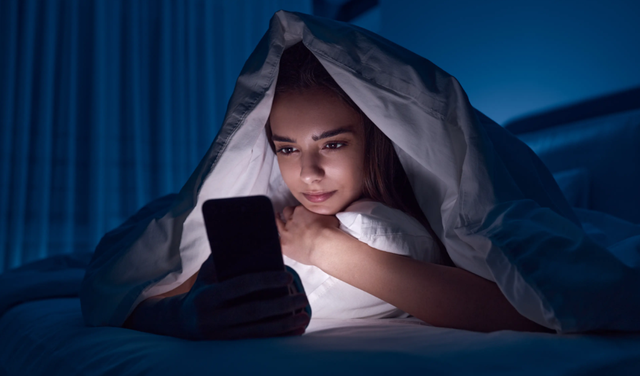
For more than a decade, technology users have been warned that the blue light from screens is destroying sleep quality.
However, recent scientific research suggests that this concern is overblown and that the real culprits are related to lifestyle and the content of what we see, rather than the color of the light.
The alarm was raised in 2014 with a study in which participants who read on an iPad produced less melatonin than those who read physical books. But Jamie Zeitzer, a professor at Stanford University, explains that this study was fraudulent.
According to him, the science wasn't wrong, but the conclusions the public drew were incorrect. In laboratory conditions, intense blue light affects the biological clock, but in real life, the intensity of light from a phone is too low to have a dramatic impact.
An analysis of eleven different studies found that screen light delays sleep by an average of just nine minutes. What's more, the amount of blue light we get from devices over a twenty-four-hour period is less than what we get from just one minute of being outside in the sunlight.
Experts emphasize that the secret to a good night's sleep lies not in blue light filters, but in the contrast of light during the day. Exposure to bright light in the morning increases alertness and makes the brain less sensitive to light in the evening.
The real problem in modern life is that we are exposed to the same lighting all day long. Without a clear distinction between daylight and darkness, the body has a hard time figuring out when it needs to sleep.
Devices like glasses with orange lenses or "Night Shift" options on phones may not block enough light to change our biology, but they serve as a psychological signal.
When the screen changes color, the brain begins to be conditioned that it is time to calm down. Journalist Thomas Germain, who conducted a several-week experiment with total isolation from blue light, noticed that the quality of sleep did not undergo drastic changes.
But the new routine – using candles and turning off the lights – helped create a more consistent bedtime ritual. Scientists advise that instead of investing in expensive glasses, people should go outside during the day and reduce the total lighting in the house in the evening.
Above all, what keeps us awake is the stimulating content on our phones, like social media and news, and not the blue light emitted by those devices themselves.