How Belinda Balluku is fabricating the rumor about Top Channel's...
/ 2026-10-19 16:19:54Focus


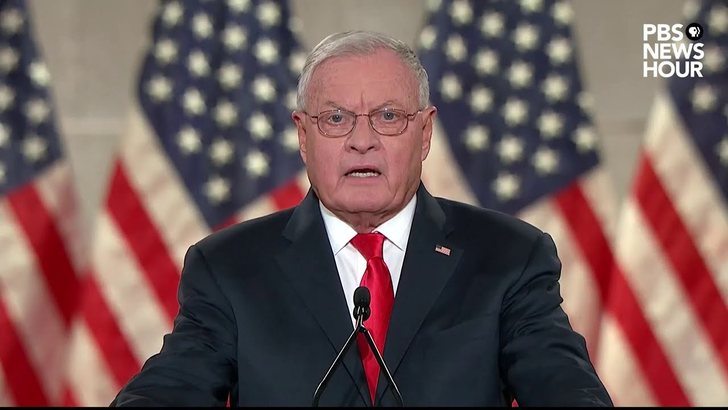
Kiev has not been invited to talks between the US and Russia aimed at ending the war in Ukraine, the BBC reported, citing a senior source in the Ukrainian government. The US special envoy for Ukraine, Keith Kellogg, had previously said that Kiev would be involved in Monday's talks in Saudi Arabia, but the source said no delegation from the country would be present.
European leaders have also not been asked to join the discussions. Instead, European leaders will meet in Paris on Monday at a hastily organised summit by the French president, amid growing fears that the continent could be left out of the negotiations.
The separate meetings hosted by the EU and the US follow a tumultuous week in which Washington has signaled a drastic shift in its approach to the war in Ukraine. The White House's Middle East envoy, Steve Witkoff, confirmed he was traveling to Saudi Arabia on Sunday evening for the first face-to-face talks between the US and Russia to end the conflict.
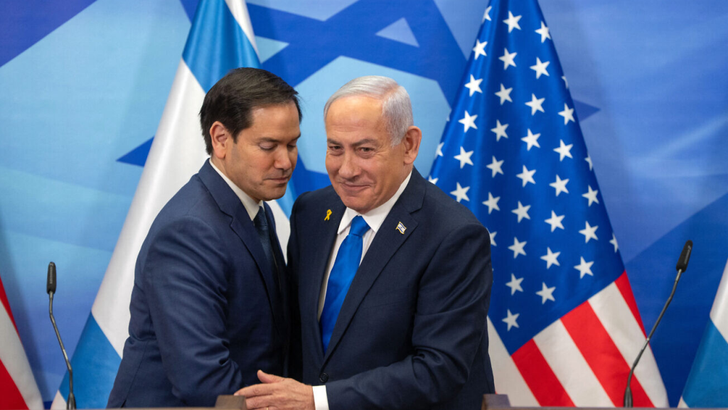
US Secretary of State Marco Rubio and National Security Adviser Mike Waltz will also meet with Russian negotiators there, less than a week after US President Donald Trump held a phone call with Russian leader Vladimir Putin. The call on Wednesday ended a three-year freeze in direct contacts between Moscow and Washington.
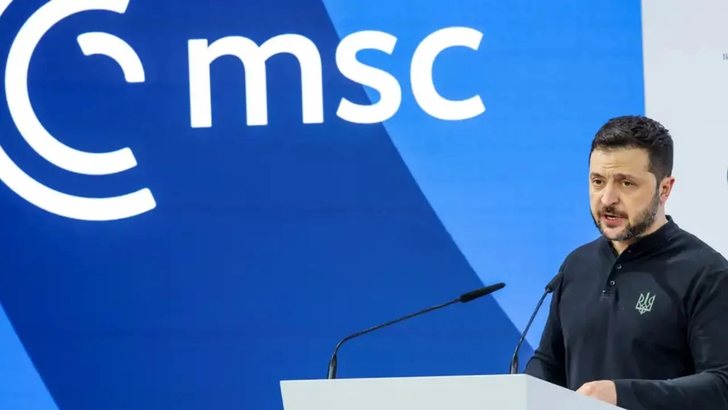
Zelensky has repeatedly ruled out accepting a peace deal negotiated without Ukraine. He told US television network NBC on Sunday that he would “never accept any pact between the United States and Russia on Ukraine. Never.”
Witkoff said that US officials were speaking separately with Ukrainian officials and that this was "part of the talks," but did not indicate whether he expected Kiev to be present in Saudi Arabia.
Meanwhile, Rubio downplayed the talks with Saudi Arabia, saying a meeting would not resolve the war and that a formal negotiation process that would mediate between Ukraine, Russia and third parties had not yet been established. He told CBS News, however, that the coming days would determine whether Putin was serious about achieving peace.
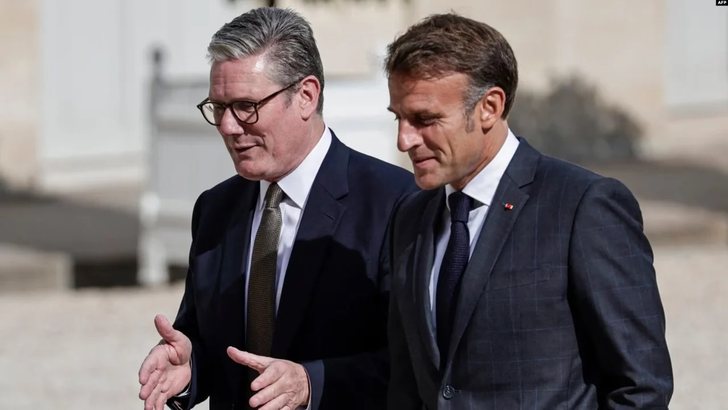
Opposing the US, a group of European leaders, including the UK's Keir Starmer, NATO Secretary General Mark Rutte, German Chancellor Olaf Scholz and the European Commission's Ursula von der Leyen will meet in Paris on Monday.
A statement obtained by CBS News confirmed that French President Emmanuel Macron would hold an informal meeting this afternoon on Ukraine and European security. However, French Foreign Minister Jean-Noël Barrot said the summit should not be "over-dramatized."
US envoy for Ukraine Kellogg earlier dismissed concerns about Europe's non-invitation to Saudi Arabia, arguing that previous negotiations had failed due to the involvement of too many parties.
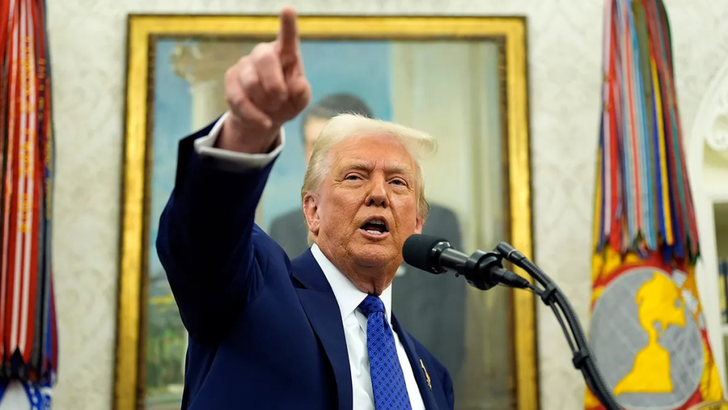
The meetings mark an acceleration in Trump's efforts to reach a quick end to the war. The White House said the US president had a "long" phone call with Russian President Vladimir Putin on Wednesday, after which Trump said negotiations to stop the "ridiculous war" in Ukraine would begin immediately.
He also said it was “not practical” for Ukraine to join NATO and “unlikely” it could return to its pre-2014 invasion borders. Ukraine has repeatedly called for NATO membership and has refused to cede territory as part of any peace deal. Trump’s stance has been backed by his own defense secretary, prompting European alarm that the US could make concessions to Russia before negotiating any peace deal.
Pete Hegseth also said that European nations should provide the “vast majority” of funding for Ukraine – claiming that the US would no longer “tolerate an unbalanced relationship” with its allies. US Vice President JD Vance told the Munich Security Conference that Europe must “significantly increase its defense spending”, in a speech filled with criticism of European democracies.
Zelensky called on Saturday for the creation of a European army, arguing that the continent can no longer rely on Washington. Meanwhile, the war in Ukraine continued on Sunday. Zelensky said a Russian attack had left at least 100,000 people without power in Mykolaiv.
He said homes were left without heat after a drone attack on the city's "critical infrastructure." Russia launched a full-scale invasion of Ukraine on February 24, 2022, having already occupied Crimea and part of the eastern Donbas region in 2014.