"The fate of the homeland is in our hands" - An appeal by Ismail...
/ 2026-10-18 16:09:54Focus


By Kathrin Hille, Financial Times
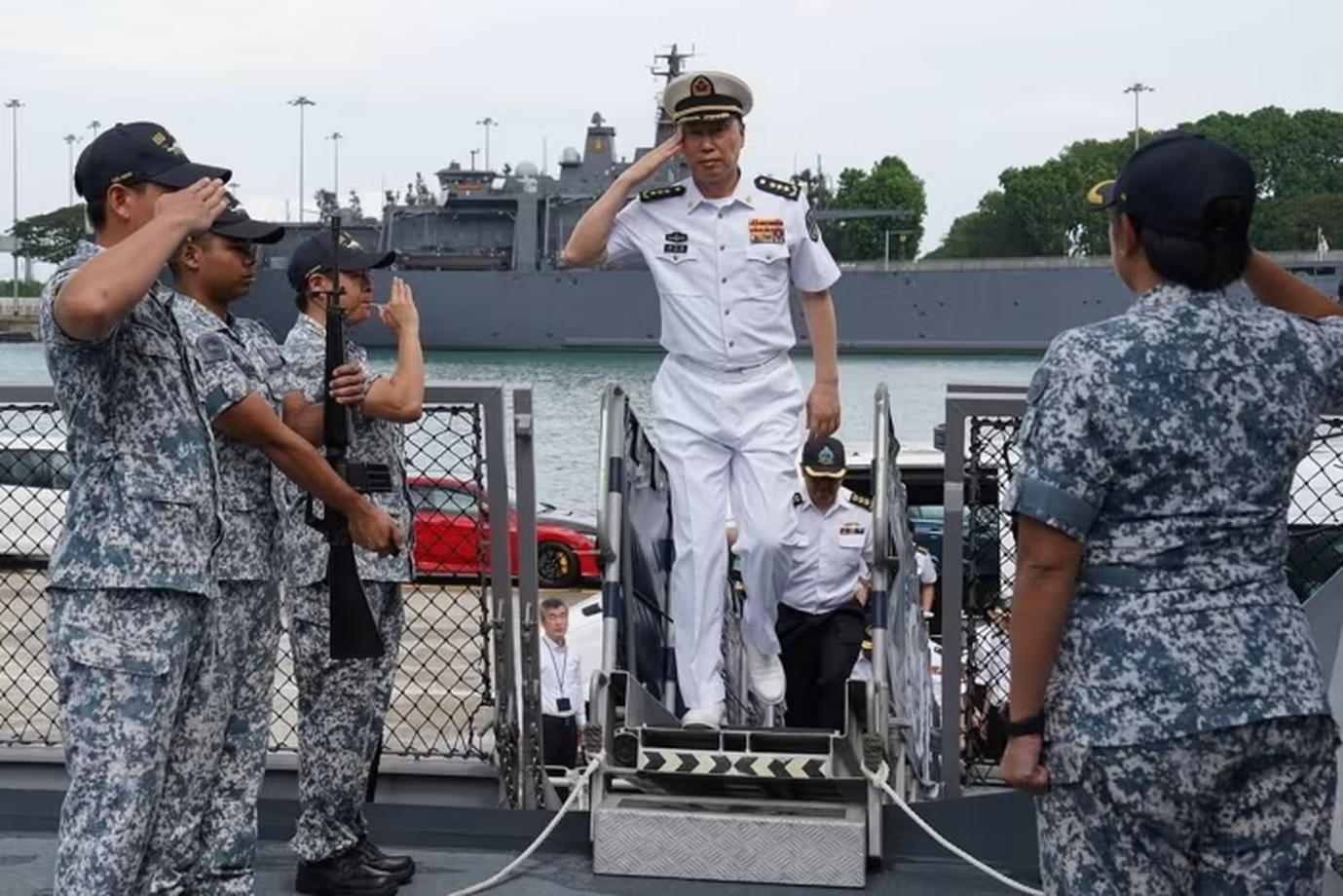
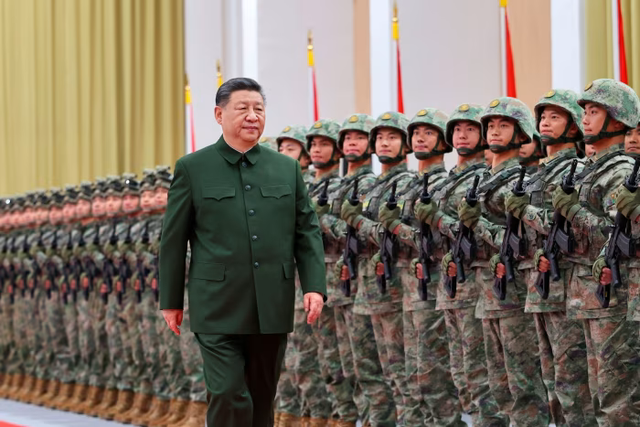
When Xi Jinping presided over the grand commissioning ceremony of China's newest aircraft carrier this month, three officers expected to have key roles in the navy's chain of command were strangely absent.
Footage broadcast by state television showed no sign of the navy's commander, Admiral Hu Zhongming, or Admiral Wu Yanan, commander of the southern region that includes Hainan island, where the ceremony took place. The regional command's political commissar, Admiral Wang Wenquan, was also absent.
The absences came amid a new wave of dismissals of People's Liberation Army officers by Xi, indicating that the president's purge is now involving a large number of figures with important command roles, fueling speculation about the impact this could have on how the military trains and whether it is ready for war.
"They are trying to maintain the facade, but this is definitely affecting the PLA's frontline operations," said a US official briefed on the matter, adding that experts who do not perceive this impact are probably suffering from a "lack of intelligence information."
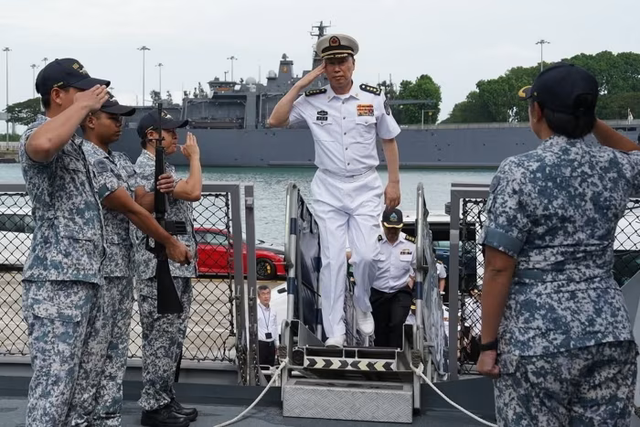
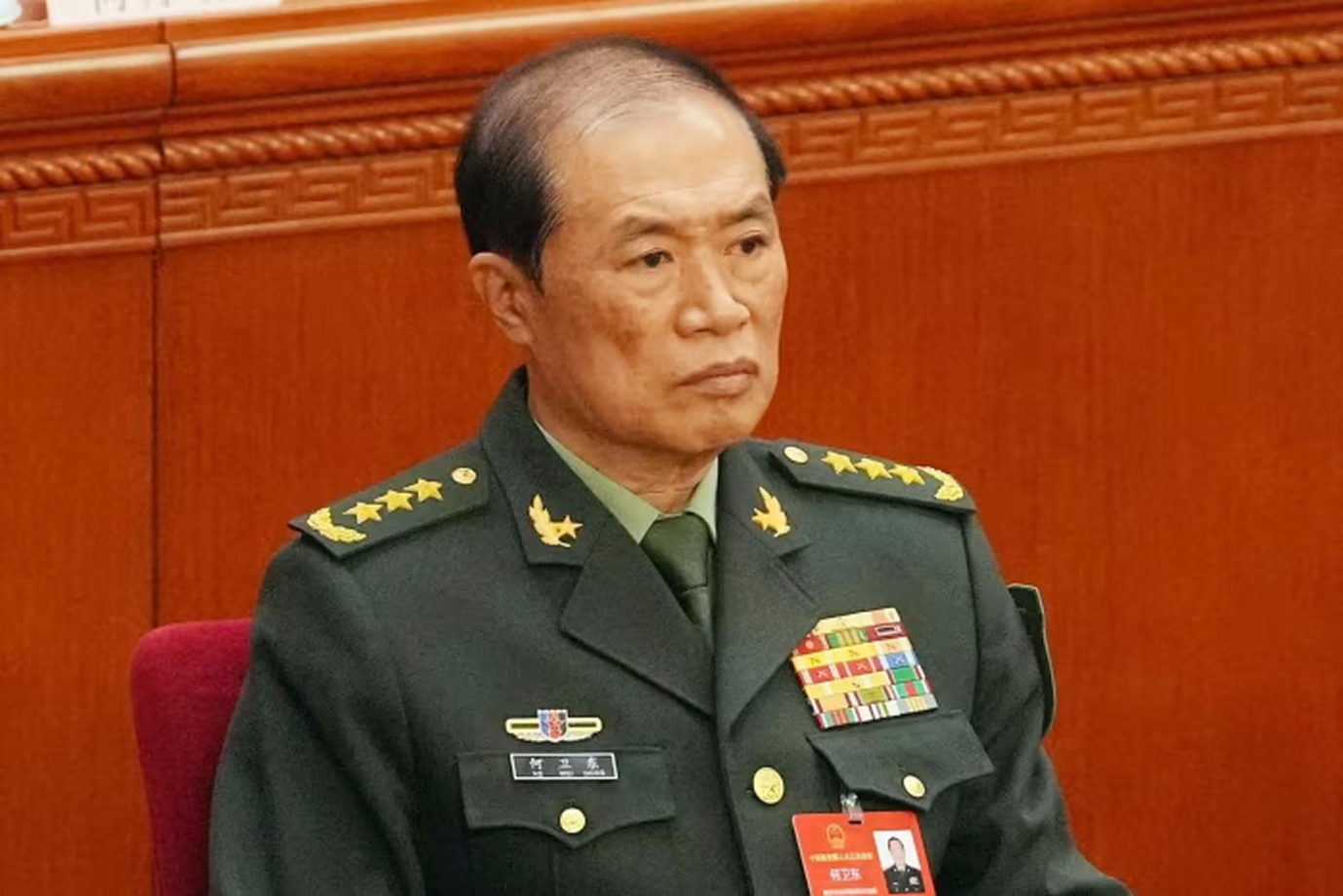
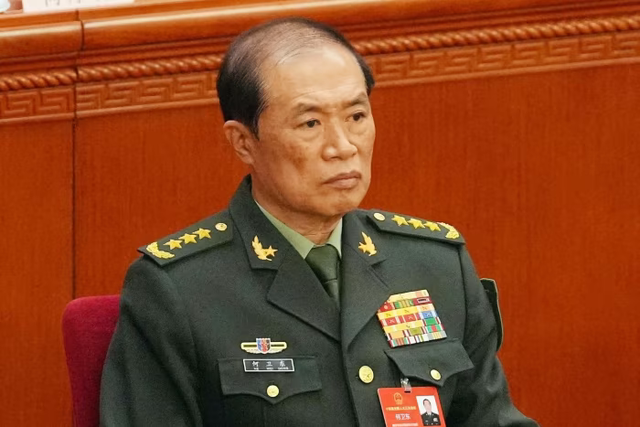
The absence in Hainan of the three admirals came just weeks after Beijing announced the dismissal of 10 other senior People's Liberation Army officers, including He Weidong, once third in the military hierarchy, who was quietly purged in April.
Admirals Hu and Wu were among 27 senior PLA officers who were absent from a key meeting of the Communist Party central committee last month, an absence that accounted for 64 percent of members with military backgrounds. Most of them are believed to be under investigation or have already been confirmed as having lost their positions or party membership.
The heads of all but one of the PLA’s regional commands are currently unidentified, under investigation, or dismissed. The navy and ground forces have followed the missile forces in targeting their commanders. The heads of several specialized departments under the Central Military Commission, the highest commanding body headed by Xi, have disappeared from the public sphere. And dozens of political commissars have been dismissed or are under some form of party investigation.
“Its origins were in a reconnaissance unit of the PLA military, and they focus on intimidating and repelling Taiwan, but also on testing the enemy’s capabilities and discovering its rules of engagement,” Tang said. “It would have supported operations against Taiwan that would prioritize this type of activity.”
General Zhang Youxia, first vice chairman of the Central Military Commission and second in command after Xi, was more focused on sustained training to advance Xi's long-term goal of making the force powerful enough to match the US, Tang added.
“Zhang and He had different views on the CMC, and Zhang does not support the force’s involvement in all kinds of sensational activities,” he said. “It is very likely that He’s departure has brought about a return to a different training regime.”
People familiar with the People's Liberation Army (PLA) maneuvers said another factor is its increased ability to operate near Taiwan, Japan and the Philippines.
"The PLA concluded late last year that it had the capabilities needed to control the first island chain, so it began to focus training more on countering US forces in the Pacific," a foreign intelligence official said.
In late 2024, the PLA conducted exercises that Taipei said involved a record number of warships and aircraft both around Taiwan and Japan and further afield in the Pacific. This summer, two Chinese aircraft carriers operated outside the first island chain simultaneously for the first time, and Beijing sent an aircraft carrier past the Northern Mariana Islands and Guam in the central Pacific for the first time.
Other analysts believe that Beijing has tailored its behavior around Taiwan for broader political purposes.
“The changes may have to do with frontline commanders being removed from their posts,” said James Char, an associate professor at the S. Rajaratnam School of International Studies in Singapore, who has followed Xi’s purges in the PLA for a decade.
"But there could also be a regional context or a connection to domestic politics in Taiwan itself," Char added.
He said Beijing may be avoiding controversial PLA moves to avoid missing the opportunity offered by the Taiwanese opposition Kuomintang's election of a new leader who has made friendly statements toward China. Beijing's desire for a deal with U.S. President Donald Trump may also be behind the reduction in activity around Taiwan.
However, observers warn that expanding Xi's purges could have major consequences for the military for years to come and could be a concern for Xi as he considers war in the Taiwan Strait.
“We are just scratching the surface here,” Char said, referring to the purges of senior PLA leaders that have been made public. “There may be hundreds more in offices under the Central Military Commission who have been affected.”
Xi’s campaign, which previously focused on corruption surrounding weapons research and procurement, led to the ouster of many senior officials linked to the CMC’s equipment development department, the entire head of the missile force, and two consecutive defense ministers. It is now morphing into a broader effort to restructure the personnel management of the armed forces.
Since the dismissal late last year of Miao Hua, the member of the Central Military Commission responsible for political work, Xi has launched a broad campaign of crackdowns on political commissars, the PLA officers tasked with ensuring the force's loyalty to the party, as well as managing and promoting personnel.
A new set of rules for correcting the behavior of political cadres, announced by the military newspaper PLA Daily in July, requires cadres to respond to demands from the grassroots and be accountable to the rank and file. Analysts believe this paves the way for widespread denunciations of commissars by their subordinates.
This could lead to further waves of purges and cause a rapid turnover that would promote large numbers of much younger officers, with fewer patronage connections, across the force.
Analysts argue that the reform effort aims to address structural weaknesses stemming from the party's system of political control over the People's Liberation Army (PLA), which hinders decentralization of command, an element that Western military experts consider key to making a force more agile in wartime.
Some observers have expressed concern about the long-term impact that the promotion of a large number of new commanders could have on the mentality of the PLA officer corps.
"They may be much less risk-averse, more nationalistic and more aggressive. To be honest, the outcome of these purges is still completely unclear," said a senior Taiwanese official.