Protests, violence, curfews: From France to Albania, why Europe'...
/ 2026-10-20 23:47:20Focus


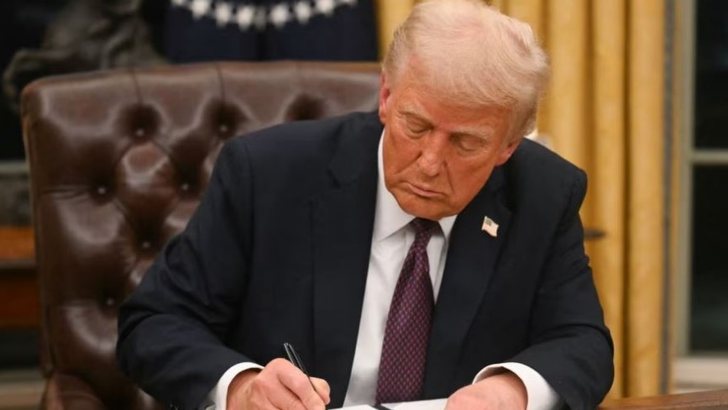
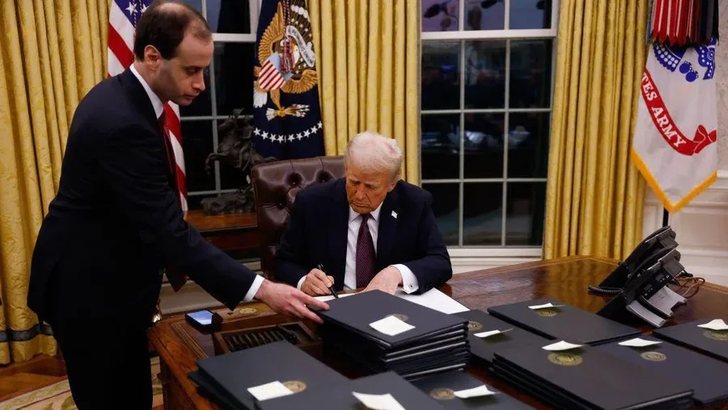
President Donald Trump has signed an executive order seeking to ban American citizenship from children of undocumented immigrants born in the United States, seeking to end a right that the US Constitution has guaranteed for more than 150 years.
The executive order, which would apply to any baby born after February 19, is expected to be quickly challenged in court as it would constitute an extraordinary departure from the historic interpretation of the 14th Amendment to the Constitution, which states that “all persons born” in the United States “are citizens of the United States and of the State wherein they reside.”

What does Trump's executive order do?
The executive order signed on Monday seeks to make children born in the US, but without at least one parent who is a legal permanent resident or US citizen, no longer automatically have US citizenship.
It also prohibits federal agencies from issuing or recognizing documentation proving U.S. citizenship for these children.
Specifically, the executive order targets children born to unauthorized immigrants and people legally in the U.S. on temporary visas.
How else can the Trump administration control birthright citizenship?
Even if the administration can't completely undo birthright citizenship for the children of some immigrants, officials are said to be exploring other ways to address the issue. For example, they could try to limit short-term visas for pregnant travelers so those travelers can't give birth in the United States.
What are executive orders?
Executive orders are official written statements that outline the president's agenda for directing the federal government.
These may include directives to federal agencies or requests for specific reports.
Many orders can be irrefutable.
New presidents, as the head of the executive branch often does, can issue orders to overturn the orders of their predecessors.
Article II of the U.S. Constitution gives the president the power to issue executive orders, according to the American Bar Association (ABA).