Protests, violence, curfews: From France to Albania, why Europe'...
/ 2026-10-20 23:47:20Focus


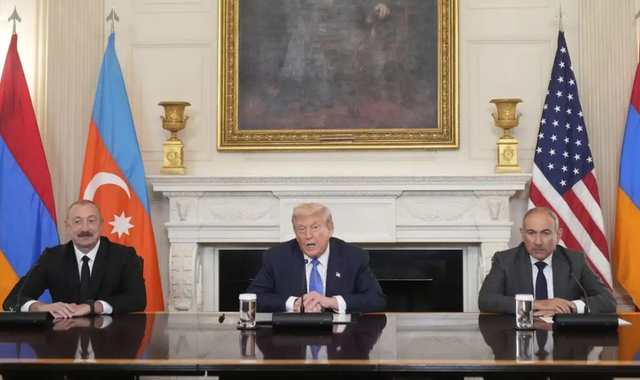
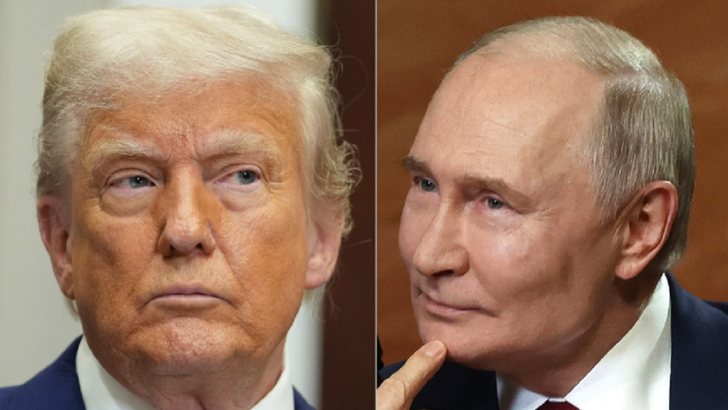
After almost four decades of a bloody conflict, Azerbaijan and Armenia signed a peace agreement in the presence of US President Donald Trump. At this historical moment, Russia was conspicuously absent, which no longer plays a central role in the South Caucasus.
The leaders of Armenia and Azerbaijan, Nikol Pashinyan and Ilham Aliyev, signed a peace agreement on Friday in the presence of US President Donald Trump in Washington, after almost four decades of a bloody conflict in Karabakh.
"Today we are establishing peace in the South Caucasus," said Azerbaijani President Aliyev. "Today we are writing a great new history."
Armenian Prime Minister Pashinyan added that this agreement represented "the opening of a peace chapter". "(We) are laying the foundations for a better story than what we had in the past," he added.
"The countries of Armenia and Azerbaijan are committing to end all fighting forever," Trump said at a joint press conference with the two leaders.
"They suffered a lot for so many years, many tried to find solutions, the European Union, the Russians, they never did," he added. "But with this agreement we finally managed to make peace."
In September 2023, Azerbaijan regained full control of the Karabakh region after a rapid military campaign, and over the past year, Baku and Yerevan have made progress in normalizing their relations.
Although Friday's signing ceremony included not only Pashinyan and Aliyev, but also Trump, the former adversaries only managed to mend relations when there were no more third parties involved, including Washington and Moscow. But unlike Russia, the U.S. will benefit from the peace agreement.
Armenia and Azerbaijan agreed to create a major transit corridor that will be called the Trump Road to International Peace and Prosperity.
It will connect mainland Azerbaijan and its Nakhchivan region, which borders Baku's ally, Turkey, via Armenian territory.
White House spokeswoman Anna Kelly said the new transit corridor will "allow for unhindered ties between the two countries, while respecting the sovereignty and territorial integrity of Armenia and its people."
Azerbaijan and Nakhchivan are separated by a 32-kilometer piece of territory of Armenia.
For Baku, the corridor provides a direct land connection to Nakhchivan, strengthens ties with Turkey, and consolidates post-war gains through infrastructure diplomacy.
It also strengthens Azerbaijan's position as an important transportation and logistics hub on a global scale. Initially, Azerbaijan did not want to have any third party involved and preferred to have it under Baku's control, without the involvement of the US, Europe or Russia.
For Yerevan, the transport route offers an opportunity to further integrate into wider trade networks, diversify its ailing economy, and attract foreign investment. Geopolitically, this would also help Armenia normalize relations with its neighbors.