"We are drowning..." - From Lisbon, Milan to Tirana, "The Guardi...
/ 2026-10-18 23:13:32Focus


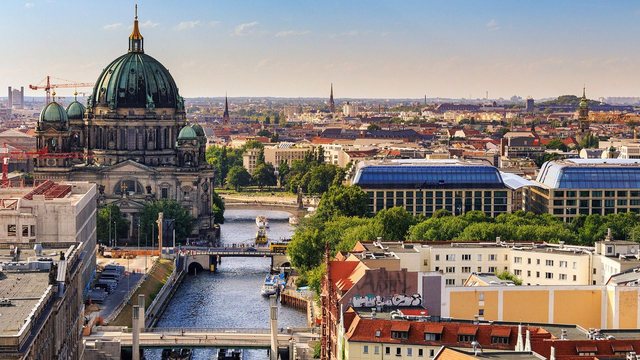
Thirty- five years after the fall of the Berlin Wall, Germany still seems divided, no longer by barbed wire, but by its attitude towards Russia. In the east, many Germans still look to Moscow with a sense of nostalgia, as the “big brother” that once brought stability, not invasion. This sympathy, which has survived Putin’s tanks in Ukraine, is now fueling a new division within Europe: while the West condemns the Kremlin, the German East seeks “peace with old friends.” A Soviet nostalgia that, it seems, never dies.
By Christopher F. Schuetze – New York Times
When Judith Enders was a little girl in the last days of East Germany, she would walk her dog in the woods, where she would often encounter young Soviet soldiers fishing in the local lake.
“We couldn’t really talk and communicated mostly through gestures, but we clearly liked each other,” said Ms. Enders, recalling how the soldiers occupying her place shared the caught fish with the dog and gave it small chocolates, wrapped in the Russian symbol of the bear, Mishka.
Today she teaches political science at the Alice Salomon University of Applied Sciences in Berlin. “We saw them as our friends, as our older brothers,” she added, with a smile that showed how naive that feeling had been.
She told this story to explain why many people in the former East Germany still feel an abiding affection for Russia. It's a sympathy that continues even now that President Vladimir Putin's full-scale occupation of Ukraine is entering its fourth year.
She has survived the crimes and injustices that East Germans experienced during decades of practical colonization by Moscow, a system that hundreds of thousands of Germans overthrew by taking to the streets in the late 1980s.
Thirty-five years after German reunification, that nostalgia continues to be fueled by the failure to fully integrate the east, where even today citizens are poorer and more often unemployed than their compatriots in the west.
The Berlin Wall is gone and the minefield that once divided the country has been turned into a nature park. But when it comes to attitudes towards Russia, the line between east and west remains surprisingly clear.
While most West Germans have condemned the Russian invasion and support the arming of Ukraine, many in East Germany have a more nuanced stance and are more cautious about supporting Kiev or imposing sanctions on Russia.
Sondazhet tregojnë se gjermano-lindorët janë më pak të prirur të favorizojnë ndihmën ushtarake apo anëtarësimin e Ukrainës në NATO dhe më të gatshëm të besojnë se Kievi duhet të heqë dorë nga territore për paqe me Rusinë. Më shumë njerëz në lindje besojnë gjithashtu se Perëndimi dhe Ukraina mbajnë një pjesë të fajit për konfliktin.
Kjo ndarje e qëndrueshme e ka vështirësuar përpjekjen e qeverisë gjermane për t’u përballur me kërcënimin rus dhe i ka mundësuar partisë së ekstremit të djathtë Alternative für Deutschland (AfD) të fitojë votues në lindje me fushata “pro-paqe” dhe “kundër armatosjes”.
Qëndrimi lindor është pjesë e një tabloje më të gjerë të qëndrimeve ndaj Moskës në shtetet që dikur ishin pjesë e perandorisë sovjetike. Polonia dhe shtetet baltike, për shembull, janë shumë më armiqësore ndaj Moskës, sidomos pas pushtimit të plotë, ndërsa Hungaria ka qenë më e afërt e saj.
Por nëse Gjermania Lindore do të ishte ende një shtet më vete, ajo do të ishte ndër më mirëkuptueset ndaj Rusisë ndër ish-vendet e bllokut lindor në Evropën veriore.
Disa ekspertë thonë se kjo ka po aq lidhje me zhvillimet pas ribashkimit të Gjermanisë sa me lidhjet e ndërtuara gjatë dekadave të okupimit sovjetik.
Historiani Jörg Morré, specialist në marrëdhëniet gjermano-sovjetike, e quan këtë fenomen “një komunitet post-socialist me fat të përbashkët.”
Koha i ka bërë zemrat më të buta, tha ai, veçanërisht pasi ribashkimi dhe ngritja e sistemit kapitalist perëndimor nuk arritën të përmbushin premtimet për shumë njerëz.
Ajo që e bën Gjermaninë Lindore unike, shtoi ai, është se qytetarët e saj mund ta krahasonin menjëherë veten me bashkatdhetarët e pasur në Perëndim dhe ndiheshin si humbës nga ribashkimi. Kur filluan ta shihnin veten si të humburit e bashkimit, u krijua një ndjesi e re afërsie me Moskën.
Historiania gjermane Silke Satjukow thotë se largimi i menjëhershëm i sovjetikëve, i përfunduar në vitin 1994, e përkeqësoi situatën duke shkatërruar ekonominë lokale.
Megjithatë fakti që tërheqja ndodhi në mënyrë paqësore ndihmoi që të lindte terreni për nostalgjinë e sotme.
Qëndrimi i përgjithshëm është bërë më rozë, tha znj. Satjukow, pjesërisht sepse njerëzit tani janë të lirë të projektojnë vlerat dhe shpresat e tyre mbi ish-okupatorët. “Ne ende kemi idenë se rusët janë miqtë tanë, dhe kjo ide ka mbijetuar sepse nuk kemi pasur mundësi ta verifikojmë,” tha ajo.
Sociologu Steffen Mau, i cili ka studiuar ribashkimin gjerman, thotë se gjermano-lindorët sot kanë pak kontakte reale me rusët, ndaj perceptimet e tyre bazohen në periudhën menjëherë pas rënies së Bashkimit Sovjetik, kur Moska aspironte drejt një shoqërie të hapur dhe demokratike.
“Besoj se kjo është një formë nostalgjie sovjetike,” tha ai, “dhe gjermano-lindorët nuk e kanë kuptuar që karakteri i Bashkimit Sovjetik, i Rusisë së vjetër, ka ndryshuar rrënjësisht që nga vitet ’90.”
Even after the Russian invasion of Ukraine, sympathies for Russia in the east remained strong, recalled Dr. Morré, the historian who is also director of a museum in East Berlin, built on the site where Germany signed the final capitulation of World War II.
The museum has a permanent exhibition on Nazi war crimes during the German occupation of Russia and has long been a meeting point for German-Russian friendship.
When he decided to raise the Ukrainian flag in solidarity, the reaction from neighbors and museum visitors was clear: “We want you to take that flag down.”