Is this police force professional and capable of handling violen...
/ 2026-10-16 18:54:07Focus


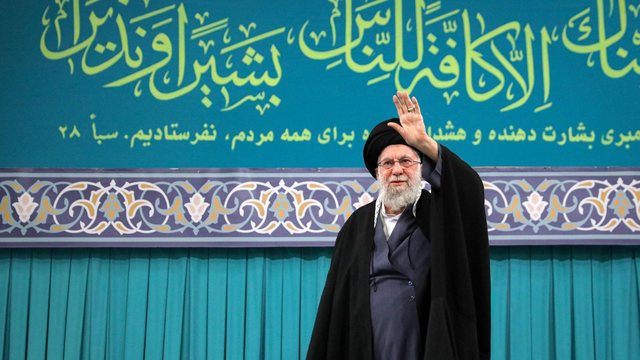
For the first time in 37 years of theocratic rule, Ali Khamenei has publicly acknowledged the extent of the repression in Iran. He did so in a speech to the nation, after days of protests, chaos and violence that have left more than 3,000 dead, including at least 150 security personnel. Many bodies have not yet been identified and families are struggling to recover them. The country remains in the information blackout.
In his speech, Khamenei directly blamed the United States.
"We hold the American president responsible for the victims, damages and defamation caused to the Iranian nation. Those who are affiliated with Israel and America are responsible for the deaths of thousands of people," he said.
He warned that "domestic and international criminals will not go unpunished" and that the Iranian nation must "break the backs of the seditionists."
The declaration is seen as an open order for lack of mercy, with serious consequences for the thousands arrested during and after the protests, over 10,000 people, according to the Iran Human Rights organization.
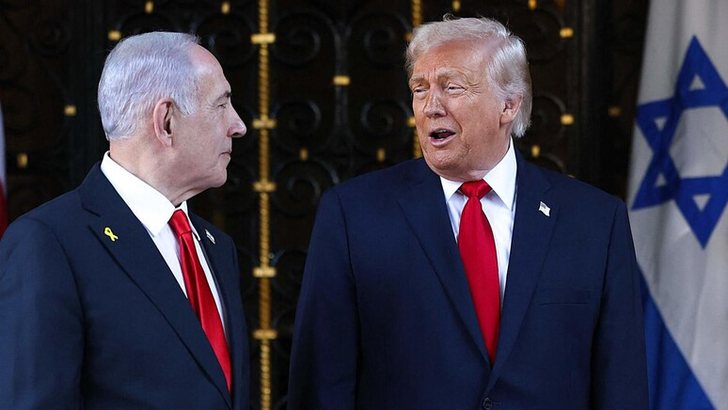
Khamenei's words brought a reaction from Donald Trump.
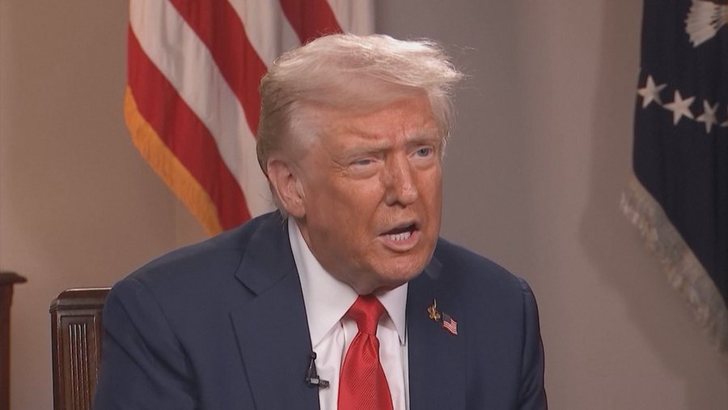
"It is time to seek new leadership for Iran," the US president said, after aides showed him posts from the supreme leader, one of the few who still has access to the internet, which has been blocked for a week for most of Iran's 90 million people.
"Leadership is about respect, not fear and death. This man is sick, he needs to govern his country properly and stop the killing. Iran is the worst place to live because of poor leadership," Trump declared.
On the Iranian issue, Trump has taken an inconsistent stance. He initially promised support for the protesters and publicly encouraged them, only to later back down. Combined with calls from Reza Pahlavi, the former shah's son, this gave the Iranian authorities justification for a brutal crackdown, labeling the protests as part of a destabilizing plot.
Although the infiltration of violent elements is not ruled out, the Financial Times cites direct evidence from the protests and attributes the scale of the massacre to Iranian security forces.
Two days ago, Trump thanked Tehran for "cancelling 800 executions," without it being clear what he was talking about or who he got the information from. In reality, calls from ultraconservatives in Iran for the death penalty against "rebels" are increasing.
Tehran's prosecutor, Ali Salehi, refuted Trump, stressing that "our response is determined, preventive and swift" and that many cases have already been sent to court.
Në qytetet iraniane, jeta po rifillon nën një klimë të pazakontë: Interneti mbetet i bllokuar, shkollat hapen sërish me prani fizike, ndërsa universitetet do të vazhdojnë online. Pyetja kryesore mbetet: Çfarë do të bëjë realisht Amerika?
Trump përmend ndryshim politik në Republikën Islamike, por ka treguar se nuk dëshiron kolaps të shtetit iranian. Përmes kanaleve formale dhe informale, Uashingtoni po përpiqet të kuptojë nëse Irani është gati për një epokë pas Khameneit dhe si mund të duket fillimi i një sezoni të ri politik.