"The fate of the homeland is in our hands" - An appeal by Ismail...
/ 2026-10-18 16:09:54Focus


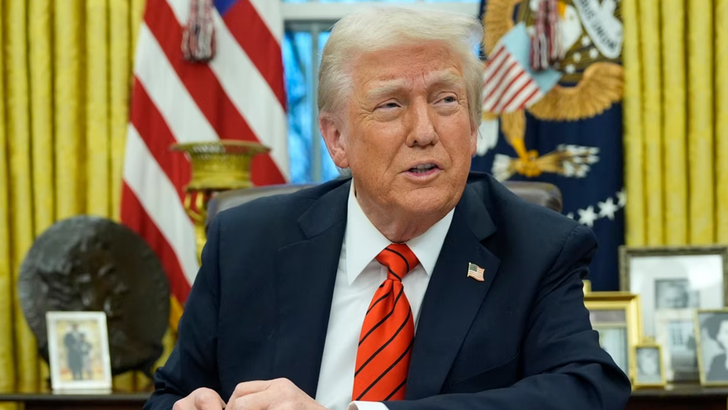
The Supreme Court overturns Donald Trump's ruling on USAID and rules that payments of two billion dollars owed to contractors who have already completed their work must resume.
The judges, by five votes to four, rejected the US president's request to overturn the lower court's order.
The Court's decision is important for several reasons. First, because it comes from the highest judicial body in the US. Second, because the panel is composed in large part of judges appointed by Trump himself. It remains to be seen whether this decision sets a precedent that, in a "chain" manner, will influence the decisions of other courts where appeals against drastic cuts imposed by the White House have been filed.
Justices Samuel Alito, Clarence Thomas, Neil Gorsuch and Brett Kavanaugh have spoken out against the Court's decision.
The case began with a lawsuit by two major USAID contractors, the AIDS Vaccine Advocacy Coalition and the Global Health Council: both went to court to challenge the administration’s funding cuts. Here, a senior federal judge, Amir Ali, a Biden appointee, issued a temporary injunction reinstating the $2 billion in payments pending a review of the case on the merits. The Trump administration had called Ali’s order “extraordinarily intrusive and deeply flawed.”
USAID's activities have been one of the targets of attacks by the Trump administration (and its "armed wing", Doge led by Elon Musk) since the early days of the government. The agency was described as a den of "crazy radicals". Humanitarian aid programs worth billions of dollars, which constituted the "soft power" of the US in those regions, have been cut or suspended. Some of Trump's first executive orders were specifically related to USAID: the sign with the agency's logo at its headquarters in Washington was removed by order of the president.
The overall budget cut that the White House intends to impose on USAID is as much as 92%. A State Department spokesperson stated that "as a result of a process led by USAID leaders... including tranches personally reviewed by Secretary of State Marco Rubio, nearly 5,800 funds worth $54 billion have been identified for elimination as part of the US First agenda."