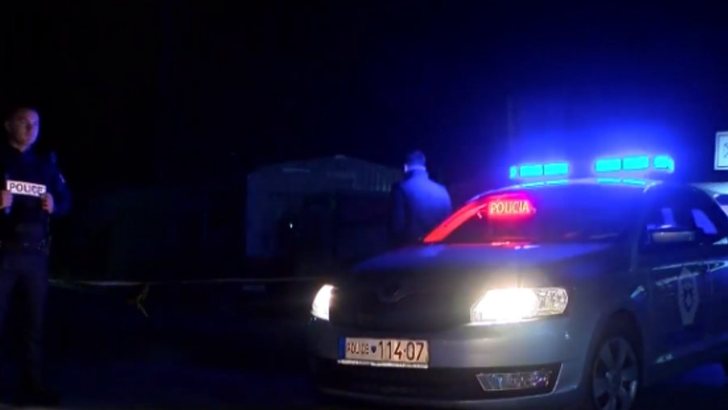
Protests, violence, curfews: From France to Albania, why Europe'...
/ 2026-10-20 23:47:20Focus


Today is International Holocaust Remembrance Day. Auschwitz survivors are marking the 80th anniversary of its liberation. About 50 survivors of the camp will return there to remember the day it was liberated on January 27, 1945. Some of them will later lay wreaths and give speeches.
Although temperatures are above freezing and most of the snow has melted, most of the 50 participants in the ceremony are now too frail to stay outside for long. So a large, warm tent has been erected over the "Gate of Death," as the entrance to Birkenau is known.
Many were sent to Auschwitz as young children and transported there in trucks used to transport livestock. Now in their 80s or 90s, they gather for what will be one of the most poignant anniversaries of the camp's liberation.
The camp was liberated by Soviet soldiers, but Russian President Vladimir Putin has not been invited to the memorial ceremonies since he launched a full-scale invasion of Ukraine in 2022. There will be no political speeches from international leaders at the ceremony.
"We remember the victims, but we also celebrate the liberation," said the director of the Auschwitz museum, Piotr Cyinski, according to AFP. "It is difficult to imagine the presence of Russia, which clearly does not understand the value of liberation."
Israel will have a large delegation led by Education Minister Yoav Kisch. Earlier, there was controversy over the possible participation of Prime Minister Benjamin Netanyahu.
Auschwitz is located in Poland, which is a member of the International Criminal Court (ICC), which has issued an arrest warrant for Netanyahu on charges of war crimes and crimes against humanity in the Gaza Strip, a Palestinian enclave.
Polish authorities have hinted that Netanyahu would not face arrest if he went to Auschwitz, but he has said he will not attend the memorial ceremonies.
The anniversary is always a moment of reflection on anti-Semitism. This year, said the United Nations human rights chief, Volker Turk, was “rampant.”
In a statement on January 24, he said that "Jews are facing increasing intimidation, threats and physical violence."
Nazi Germany murdered approximately 1.1 million men, women and children at Auschwitz between 1940 and 1945. Nearly half a million of them were Jews. Other victims were Roma, political prisoners and Soviet prisoners of war.