Storm in the administration, the Director General of Taxes, Ilir...
/ 2026-10-23 15:43:05Focus


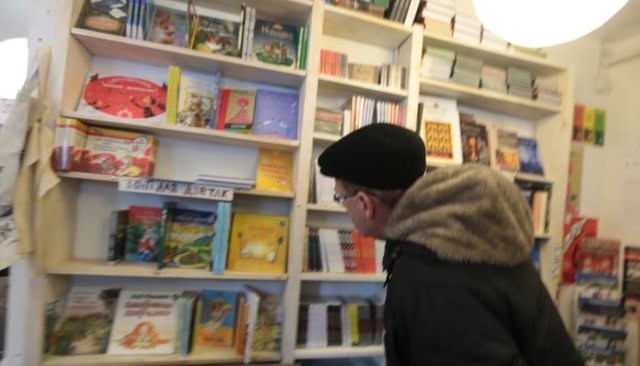
Ever since Belarusian authoritarian leader Alyaksandr Lukashenka once again declared himself the winner in the disputed 2020 presidential election, human rights activists, democracy activists, and media reporters have shouldered the weight of oppression that has made potential dissent power.
Now, many unwanted books, and other published materials, are being crucified by the authoritarian regime.
The Belarusian Ministry of Information currently maintains a list of "extremist materials," and it includes more than 2,750 books, CDs, websites, Telegram channels, and other online messaging platforms.
The list is about 1,100 pages long and is updated almost daily. Book bans are nothing new in Belarus, and many publications have been blacklisted in the country, where Lukashenka has ruled with an iron fist since 1994.
Although previously there were several expert commissions that assessed what could be considered "extremist", now most of the work is done by local courts and they are not at all concerned about the content they ban.
"We see how Telegram channels with three subscribers are being banned just because someone doesn't like the name," said Paval Barkouski, a professor at the Institute of Philosophy and Sociology of the Polish Academy of Sciences, who previously taught at the State University of Belarus.
"It is clear that we are not talking about qualified expertise", he said.
"We are talking about suppressing any material that is not in accordance with local authority policies. Why do you need expertise? It would only complicate the process". The repression that the authorities are doing was highlighted recently when a man from the western town of Kobrin was detained for 10 days, on charges of "spreading extremism". Authorities have convicted him of "public display" of books in his apartment by the award-winning Belarusian author Uladzimer Arlou.
'They searched the closets themselves'
Such printing on books and other publications shows another example of how the Belarusian authorities are leading with the tactics of totalitarian regimes and authorities in the past, Barkouski said about his homeland, where the authorities Lukashenka's security forces have carried out a brutal campaign against those who protested at the 2020 marches.
After arresting thousands of people and forcing many opposition figures to flee the country, the authorities now appear to be casting the net even wider, including bookstores and libraries across the country in their campaign to ensure that in market there is nothing that portrays the regime negatively.
Autorët që kanë shitur mijëra kopje të librave të tyre deri më tani, përfshirë: Alherd Bakharevich, Uladzimer Nyaklyayeu, Vatslau Lastouski, Ales Petrashkevich, dhe madje laureatin e Çmimit Nobel, Joseph Brodsky, janë në mesin e atyre që janë shënjestruar.
Fushatës nuk i ka shpëtuar as stafi që ka shitur libra. Një shitëse në një dyqan të mallrave të dorës së dytë në Minsk, i ka thënë Radios Evropa e Lirë se dy burra me rroba civile i kanë shkuar në dyqan në maj dhe kanë pasur diskutime të gjata me menaxherin.
“Ata kanë kërkuar vetë nëpër dollapë”, ka thënë ajo, dhe ka treguar se ata kanë gjetur disa tituj librash të kontestueshëm, përfshirë dy prej serisë Knihazbor, e cila fokusohet në historinë bjelloruse dhe literaturën klasike.
“Ai ‘komision’ i ka marrë librat me vete”, ka thënë ajo, dhe që menaxheri i dyqanit nuk i ka zëvendësuar me kopje tjera.
‘Reagim histerik’
Ish-udhëheqësja e një biblioteke të shkollës së mesme në qytetin perëndimor Brest, ka thënë se inspektorët e kanë vizituar një herë më 2023. Ajo i ka thënë Radios Evropa e Lirë se inspektorët kanë qenë të interesuar në librat e historisë, të gjuhëve të huaja, kërkime akademike, dhe kanë kërkuar edhe tituj specifikë, që i kanë pasur të fotografuar në telefon.
“Ata kanë gjetur tekste dhe libra prej viteve 1990”, ka thënë ajo. Ata i kanë thënë që ato materiale nuk do të duhej të ishin në bibliotekë. “Ata kanë pasur reagime aq histerike për librat – thuajse janë lëndë shpërthyese”.
Ndonëse librat shkollorë ndërrohen gati çdo pjesë vjet, zyrtarja e bibliotekës ka thënë se disa kopje janë ruajtur gjithmonë pasi trajtojnë disa probleme më mirë sesa publikimet e reja.
Tani, pas zhdukjes së tyre, ajo beson se është dëmtuar roli i bibliotekës si arkivë e mirë e njohurive. “Një kopje duhet të jetë patjetër në bibliotekë”, ka thënë ajo. “Kështu më kanë mësuar në fakultet. E kam njoftuar drejtorin dhe komisionin për këtë gjë. Askush nuk i ka dëgjuar ankesat e mia”. Përveç shkollave, bibliotekat e burgjet janë shënjestruar, gjithashtu, prej zyrtarëve që kërkojnë të zhdukin gjithçka që e konsiderojnë të kontestueshme.
Një ish i burgosur politik, që është liruar së fundmi prej një burgu në Navopolatsk – ku po vuajnë burgun më shumë se 100 të burgosur politikë – i ka thënë Radios Evropa e Lirë se aty ka ekzistuar një bibliotekë shumë e mirë, me shumë libra dhe revista në gjuhën bjelloruse, por të gjitha “janë konfiskuar”, bashkë me tekstet në gjuhë të huaja.
“Ata kanë konfiskuar shumë libra edhe në gjuhën kineze”, ka thënë ai. “Ne jemi bërë shaka, duke thënë ‘kinezët janë miqtë tanë’. Librat personalë janë konfiskuar. Kemi pyetur se çfarë do të ndodhë me ta? Ata na kanë thënë se do t’i djegin”.
Sipas pikëpamjes së filozofit Pavel Barkouskit, ideja e zhdukjes apo djegies së librave është e ngjashme me qasjet e regjimeve tjera autoritare që tentojnë të heshtin zërat kundërshtarë.
“Shkatërrimi i qëllimshëm i librave ka nisur qysh në kohën e Inkuizicionit”, ka thënë ai.
"The work that the church has considered as free thought has been included in the list of banned books. The books are burned.
In Nazi Germany, books were also burned in the squares. The same thing happened during the time of the Soviet Union, not in a theatrical way, but in a secret way".
The fact that Belarusian books are among the materials being targeted harkens back to the dark days of Belarus' past, such as those of 1937 when the Belarusian authorities – in pursuit of Moscow's policies – ordered the removal from the market and the destruction of more than 400 Belarusian books, including classic titles.
For Barkouskin, this practice shows how far the situation in Belarus can go, as the authorities in Minsk do not seem to be leaving power.
"Destruction of books is considered good practice and quite normal in the 21st century," he said.
"It just shows how far the people of this regime can go. But it is no longer 1937. Officials of the regime are ready to return to the time of the Inquisition"./ REL